Toggle Categories
Get Instant Support
Choose your preferred way to connect with our team
Response Time
Within 8 hours on working days, 24 hours on holidays
High Temperature Furnaces
KinTek offers a comprehensive range of high-temperature furnaces—from lab and pilot to industrial production scales—operating up to 3000°C. A key KinTek advantage is the expert design and manufacturing of custom-made furnaces tailored to specific application needs, incorporating features such as diverse heating methods and ramp rates, ultra-high and dynamic vacuum systems, precisely controlled atmospheres with specialized gas circuits, integrated automation, and dedicated software and hardware development for advanced functionality.
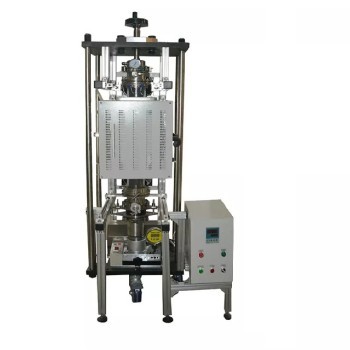
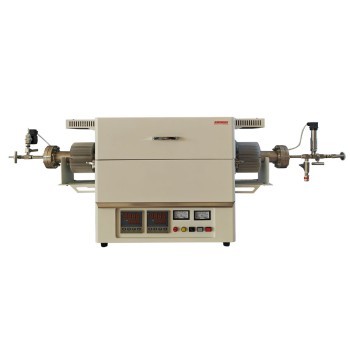
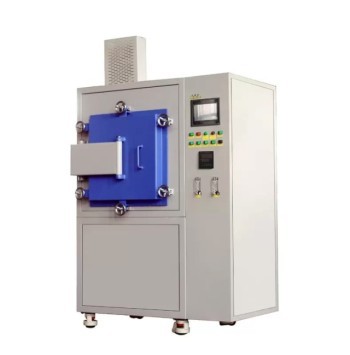
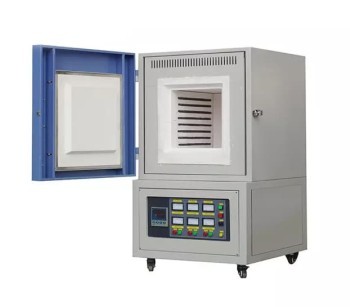
High Temperature Furnaces

Laboratory Muffle Oven Furnace with Bottom Lifting
Item Number: KT-BL

1200℃ Muffle Oven Furnace for Laboratory
Item Number: KT-12M

1700℃ High Temperature Muffle Oven Furnace for Laboratory
Item Number: KT-17M

1800℃ High Temperature Muffle Oven Furnace for Laboratory
Item Number: KT-18M

915MHz MPCVD Diamond Machine Microwave Plasma Chemical Vapor Deposition System Reactor
Item Number: MP-CVD-101

MPCVD Machine System Reactor Bell-jar Resonator for Lab and Diamond Growth
Item Number: KTMP315
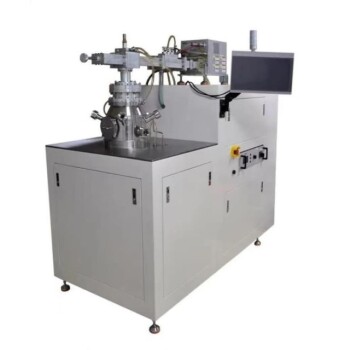
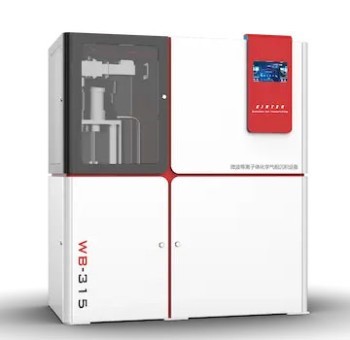
Cylindrical Resonator MPCVD Machine System for Lab Diamond Growth
Item Number: KTWB315
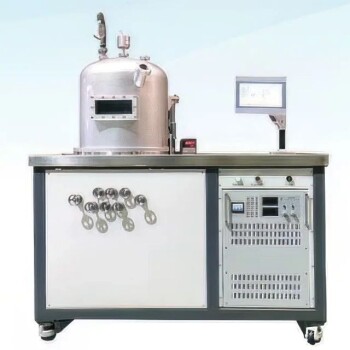
HFCVD Machine System Equipment for Drawing Die Nano Diamond Coating
Item Number: HFCVD-100

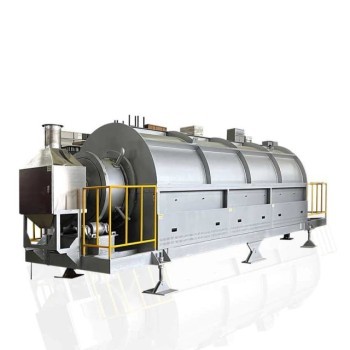
Vacuum Sealed Continuous Working Rotary Tube Furnace Rotating Tube Furnace
Item Number: KT-CRTF

Vacuum Induction Melting Furnace
Item Number: KT-VI

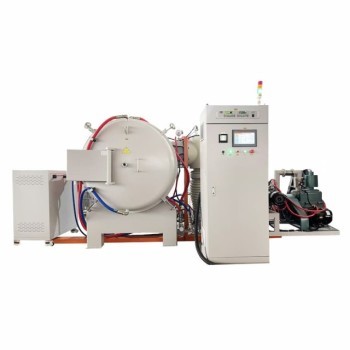
Vacuum Heat Treat Sintering Furnace Molybdenum Wire Vacuum Sintering Furnace
Item Number: KT-VMW

Small Vacuum Heat Treat and Tungsten Wire Sintering Furnace
Item Number: KT-VTW

9MPa Air Pressure Vacuum Heat Treat and Sintering Furnace
Item Number: KT-APS

Vacuum Heat Treat Sintering and Brazing Furnace
Item Number: KT-BF

Molybdenum Vacuum Heat Treat Furnace
Item Number: KT-VM

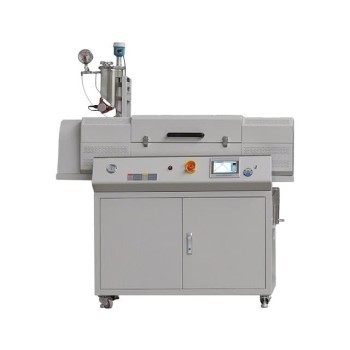
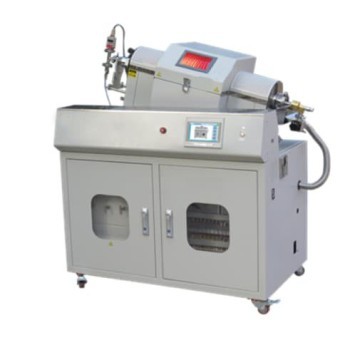
Multi Heating Zones CVD Tube Furnace Machine for Chemical Vapor Deposition Equipment
Item Number: KT-CTF14

Vacuum Hot Press Furnace Machine Heated Vacuum Press Tube Furnace
Item Number: KT-VTP

Spark Plasma Sintering SPS Furnace
Item Number: KTSP

1400℃ Controlled Inert Nitrogen Atmosphere Furnace
Item Number: KT-14A

Controlled Inert Nitrogen Hydrogen Atmosphere Furnace
Item Number: KT-16AH

1200℃ Split Tube Furnace Laboratory Quartz Tube Furnace with Quartz Tube
Item Number: KT-TF12

Multi Zone Laboratory Quartz Tube Furnace Tubular Furnace
Item Number: KT-MTF

Laboratory Quartz Tube Furnace RTP Heating Tubular Furnace
Item Number: KT-RTP

Vertical Laboratory Quartz Tube Furnace Tubular Furnace
Item Number: KT-VTF

High Pressure Laboratory Vacuum Tube Furnace
Item Number: KT-PTF

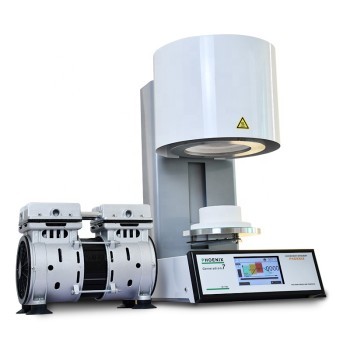
Dental Porcelain Zirconia Sintering Ceramic Vacuum Press Furnace
Item Number: KT-DP10

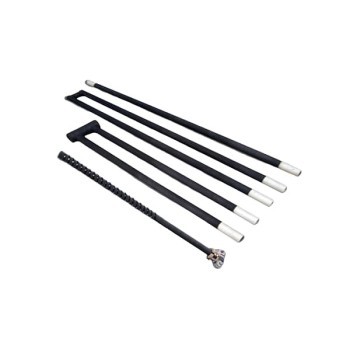
Molybdenum Disilicide MoSi2 Thermal Heating Elements for Electric Furnace
Item Number: KT-MH
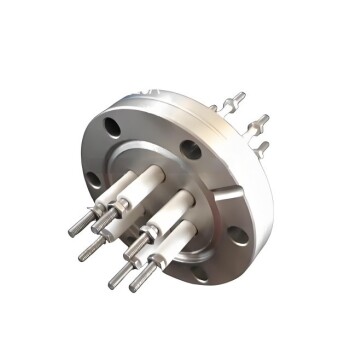
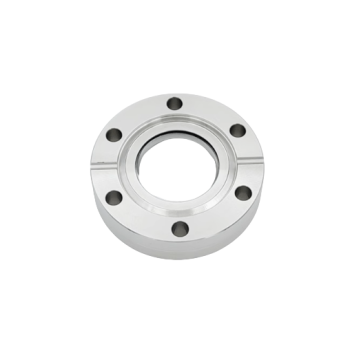
CF KF Flange Vacuum Electrode Feedthrough Lead Sealing Assembly for Vacuum Systems
Item Number: KT-VA08
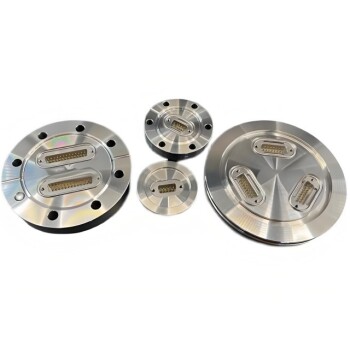
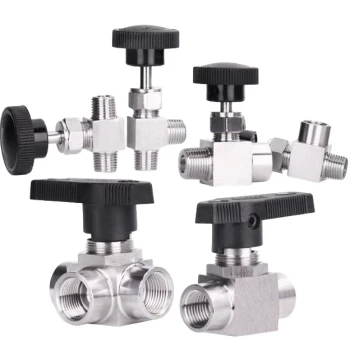
304 316 Stainless Steel High Vacuum Ball Stop Valve for Vacuum Systems
Item Number: KT-VA11
Edit This Page
REQUEST A QUOTE
Our professional team will reply to you within one business day. Please feel free to contact us!
Related Articles
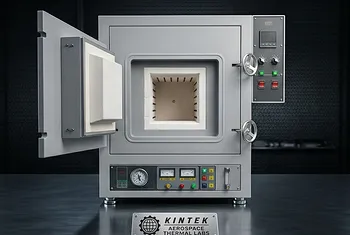
Why High-Purity Gas Fails Your High-Temp Brazing—And How Mono-Silane Doping Fixes It
Discover how mono-silane (SiH₄) doping eliminates trace oxygen in high-temperature furnaces, enabling flux-free brazing and safer, more cost-effective operations.

Why High-Performance Crystals Fail: The Critical Physics of the 1.8 mm/h Withdrawal Speed
Learn why slow lowering speeds are essential in Bridgman crystal growth to prevent internal stress and ensure superior superconducting performance in your lab.
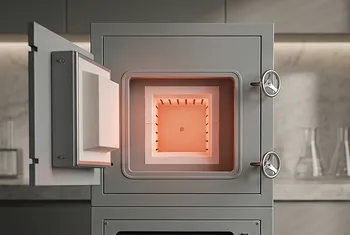
Why Your 50Mo-50Re Brazing Joints Fail Under Pressure—and How to Guarantee Atomic-Level Integrity
Discover why precise temperature control and vacuum environments are critical for 50Mo-50Re alloy brazing, and how to prevent brittle joints.
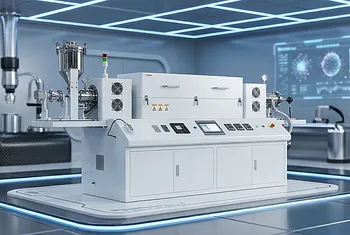
Why Your Bearing Steel Results Are Inconsistent—and How Vacuum Oil Quenching Fixes the Root Cause
Stop struggling with surface decarburization and micro-cracks in bearing steel. Learn how Vacuum Oil Quenching ensures consistent microstructure and surface integrity.
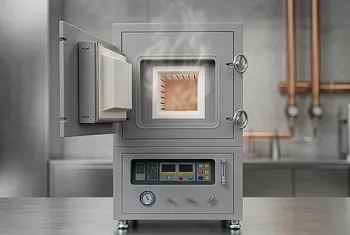
Why Your Maraging Steel Parts Aren’t Reaching Peak Strength—And the Thermal Secret to Fixing It
Discover why Maraging steel fails to achieve target hardness and how precise thermal fields in box resistance furnaces drive the nanometer-scale strengthening process.
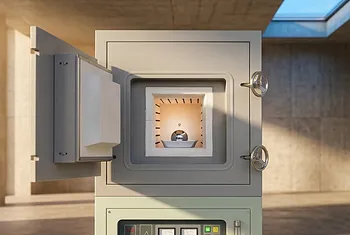
Beyond Brittle Sheets: Why Your Zr-Nb-Mn Alloy Properties Depend on What’s Not in the Furnace
Discover how vacuum annealing eliminates work hardening and prevents oxidation in Zr-Nb-Mn alloys to achieve the perfect balance of strength and plasticity.
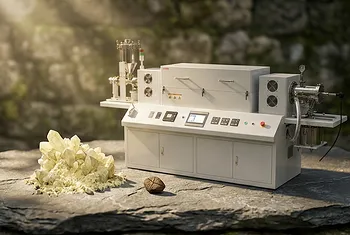
Why Your Magneto-Optical Ceramics Crack During Sintering—and the Critical Step You’re Missing
Discover why Tb4O7 powder causes ceramic failure and how hydrogen atmosphere pre-treatment ensures stable, high-performance magneto-optical materials.
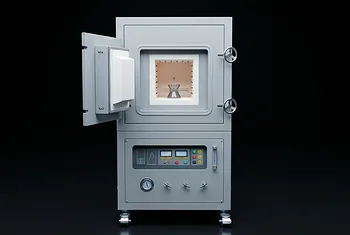
Is Nitrogen Masking Your True Brazing Performance? Why Vacuum Furnaces Are the Ultimate Research Baseline
Discover how nitrogen atmospheres in conveyor furnaces skew brazing data and why KINTEK high-vacuum furnaces are essential for establishing a scientific baseline.

Why Your Bismuth Saturation Results Are Inconsistent—and How Pressure Control Solves It
Discover why argon pressure control is the missing link in Bi-Cu-Sn alloy production. Learn how to prevent oxidation and ensure uniform bismuth infiltration at 1200°C.
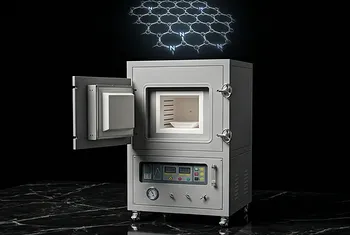
Why Your Graphene Purity Drops at 1050°C: The Hidden Role of the Sample Carrier
Discover why material choice for sample boats is critical for graphene oxide reduction and how high-purity quartz prevents contamination and thermal failure.
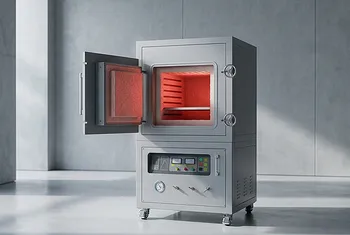
Why Your Muffle Furnace Might Be Masking Your Alloy Kinetics—And How to Fix It
Discover why slow heating rates in conventional muffle furnaces compromise zirconium alloy research and how high-rate resistance heating reveals true phase transformation kinetics.
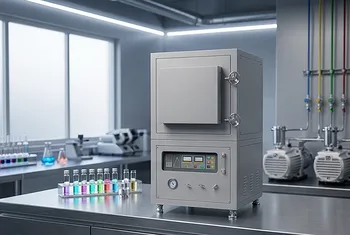
Why Your C/C Composite Coatings Flake—And the Role of Vacuum in "Self-Healing" Mastery
Discover why C/C composite coatings fail at high temperatures and how vacuum well furnaces enable dense, self-healing protective layers up to 1680°C.
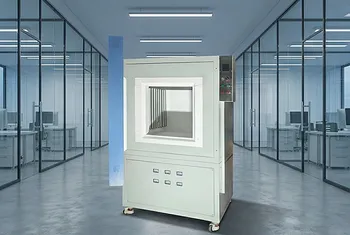
Stopping the Burn: Why Precision Gas Control is the Secret to Successful Mg-Li-Al-Ca Melting
Discover why Mg-Li alloys are prone to oxidation and how SF6/CO2 protective gas systems create the essential fluoride film required for high-purity alloy production.
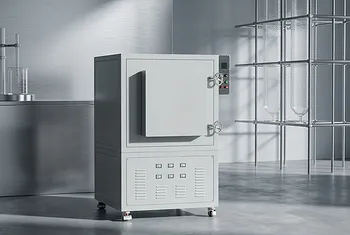
Why Your Ti-Al Alloys Are Brittle After Annealing—And How to Achieve Perfect Homogeneity
Discover why Ti-Al alloys often fail during high-temperature annealing and how high-vacuum environments solve oxidation and embrittlement for superior material properties.
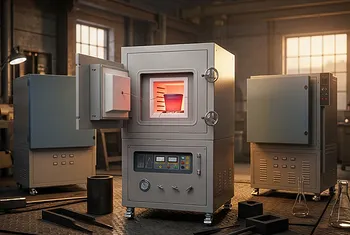
Why Your Rapid Thermal Cycling Data is Drifting—and How to Fix It with R-Type Precision
Discover why standard thermocouples fail in high-temperature zirconium alloy testing and how R-type precision solves thermal lag and drift at 1000°C+.
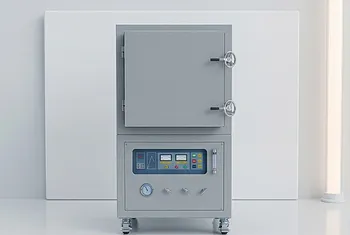
The Hidden Variable Ruining Your Oxidation Experiments—And How to Eliminate It
Learn why pre-drying crucibles at 1050°C is essential for accurate NiCrAlY coating analysis and how KINTEK furnaces provide the thermal stability required.
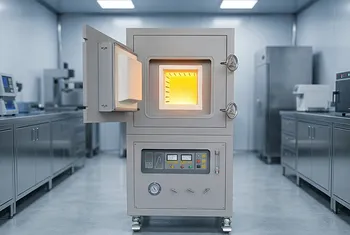
Beyond the Quench: Why Precision Tempering is the Invisible Line Between Performance and Failure
Discover why laboratory-grade precision tempering is critical for steel heat treatment, from stress relief to stabilizing complex microstructures.
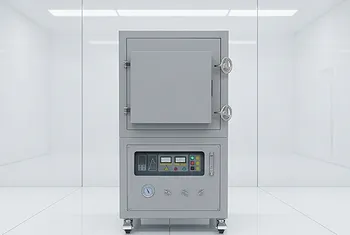
The Invisible Saboteur: Why Titanium Brazing Fails and How High-Purity Quartz Tubes Restore Material Integrity
Learn how high-purity quartz tubes prevent oxygen embrittlement and "alpha-case" formation in Ti-15-3 titanium alloy brazing and heat treatment.
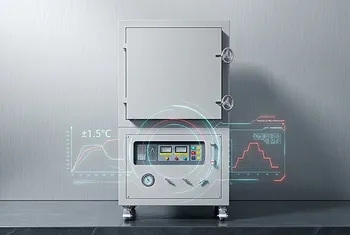
The Invisible Microstructure: Why Precise Temperature Control is the Make-or-Break Factor in Vacuum Brazing
Discover how precise temperature control in vacuum furnaces prevents brittle intermetallic layers and ensures high-strength metallurgical bonds in brazing.
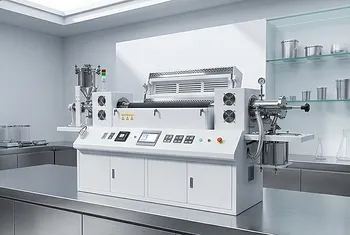
Why Your Carburized Parts Have Uneven Hardness—And the Hidden Science Behind Fixing It
Struggling with inconsistent case depth in vacuum carburizing? Discover how nozzle distribution and gas flow dynamics impact your results and how to achieve uniform hardness across every batch.