Within 8 hours on working days, 24 hours on holidays
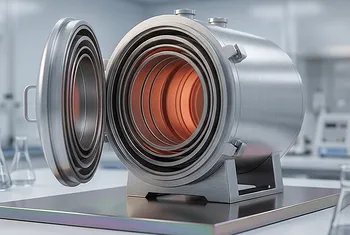
mpcvd machine
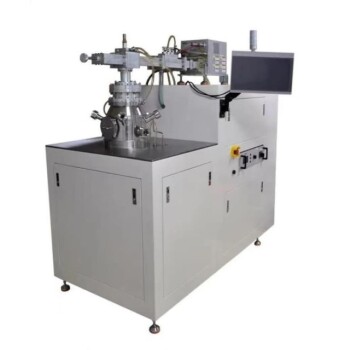
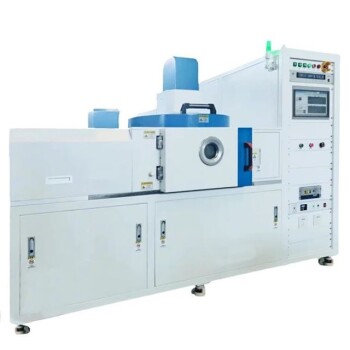
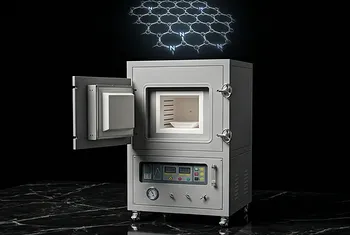
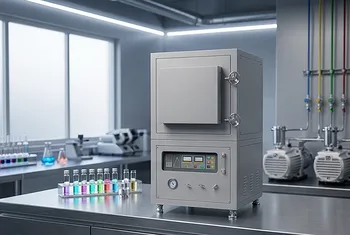
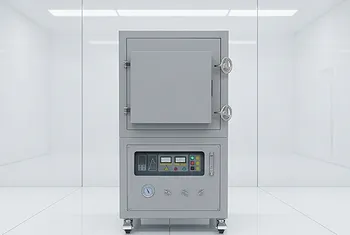
KINTEK's MPCVD (Microwave Plasma Chemical Vapor Deposition) machines are at the forefront of advanced materials research and industrial applications, particularly in the synthesis of high-purity diamonds and thin-film deposition. Our product line includes:
RF PECVD System: Ideal for semiconductors, optics, and MEMS with automated, low-temperature processes.
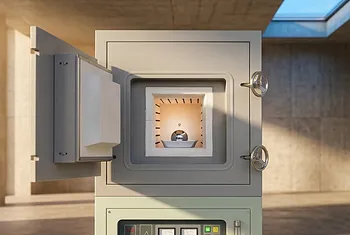
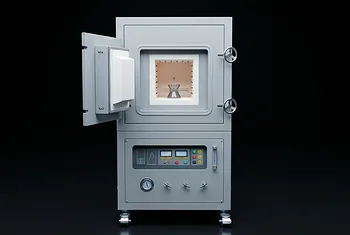
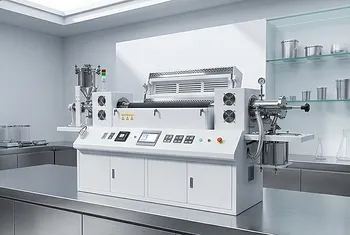
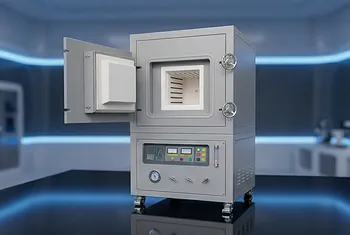
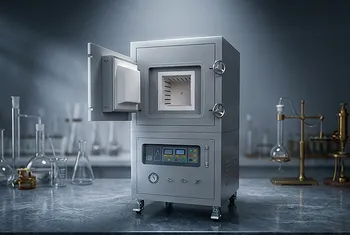
Split Chamber CVD Tube Furnace: High precision up to 1200°C for advanced materials research.
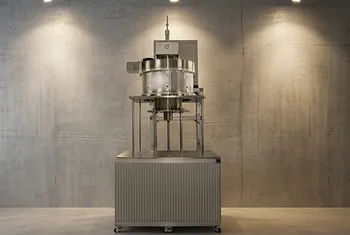
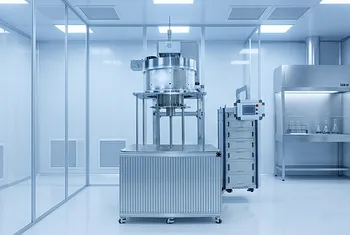
MPCVD Diamond Machine Systems: Specialized for lab-grown diamonds with reliable and efficient performance.
Cylindrical Resonator MPCVD Machine: Beginner-friendly with expert support for diamond film growth.
915MHz MPCVD Diamond Machine: Faster growth and superior purity with customizable options.
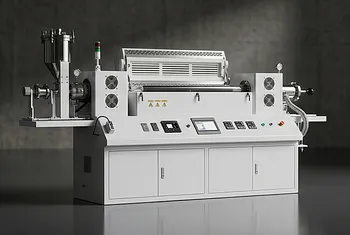
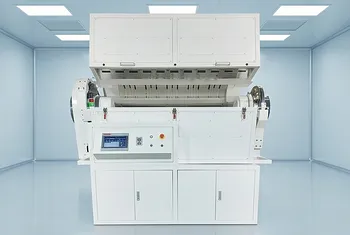
Inclined Rotary PECVD Tube Furnace: Perfect for semiconductor research with uniform heating and RF plasma source.
Advanced MPCVD Technology for Precision Diamond Growth and Thin-Film Deposition
KINTEK's MPCVD machines are engineered to deliver unparalleled performance in the synthesis of high-purity diamonds and thin-film deposition. Our systems leverage Microwave Plasma Chemical Vapor Deposition (MPCVD) technology, which offers significant advantages over traditional CVD methods.
Key Features and Components
Our MPCVD machines consist of several critical components:
Microwave Generator: Produces plasma by ionizing a gas mixture, ensuring a stable and contamination-free environment.
Reaction Chamber: Houses the substrate and gas mixture under low pressure, optimized for uniform deposition.
Substrate Holder: Secures the substrate in place during deposition, ensuring consistent quality.
Gas Delivery System: Precisely controls the introduction of gases for optimal film growth.
Vacuum System: Maintains the necessary low-pressure conditions for efficient plasma generation.
Advantages of MPCVD Technology
Electrode-less Process: Enhances energy efficiency and reduces contamination, ensuring high-purity results.
Stability and Reproducibility: Allows for continuous deposition over extended periods without degradation in film quality.
Modular and Scalable Design: Adaptable for larger substrates and various industrial applications.
Non-Polar Discharge: Avoids contamination from hot wires, ensuring cleaner processes.
Precise Control: Enables exact control over film thickness, purity, and crystal quality.
Large-Area Deposition: Capable of producing uniform films over large areas, ideal for industrial-scale applications.
Applications
Our MPCVD machines are versatile and cater to a wide range of applications, including:
Diamond Synthesis: High-purity lab-grown diamonds for industrial and research purposes.
Semiconductor Manufacturing: Thin-film deposition for advanced semiconductor devices.
Optics and MEMS: Precision coatings for optical components and micro-electromechanical systems.
Advanced Materials Research: Enabling breakthroughs in materials science with customizable solutions.
Why Choose KINTEK?
At KINTEK, we combine exceptional R&D capabilities with in-house manufacturing to deliver cutting-edge MPCVD solutions. Our deep customization capability ensures that each system is tailored to meet your unique experimental requirements. Whether you're in research or industrial production, our MPCVD machines are designed to provide reliable, efficient, and high-quality results.
Ready to elevate your research or production process?Contact us today to discuss how our MPCVD machines can meet your specific needs. Our team of experts is here to provide the support and customization you require to achieve your goals.
FAQ
What Is The Principle Of An MPCVD Machine?
An MPCVD (Microwave Plasma Chemical Vapor Deposition) machine operates by using a microwave generator to produce plasma by ionizing a gas mixture. This plasma is housed in a reaction chamber under low pressure, where the substrate is held in place by a substrate holder. The key components include a Microwave Generator, Plasma Chamber, Gas Delivery System, Substrate Holder, and Vacuum System.
What Are The Advantages Of Using An MPCVD Machine?
MPCVD machines offer several advantages: they eliminate contamination from hot wires (non-polar discharge), allow the use of multiple gases, provide stable control of reaction temperature, enable large-area stable discharge plasma, and offer precise control over film thickness, purity, and crystal quality. Additionally, they produce large-area diamond films, ensure stable conditions, maintain consistent sample quality, and are cost-effective.
What Are The Key Applications Of MPCVD Machines?
MPCVD machines are primarily used for high-purity lab-grown diamond synthesis, including diamond films and other advanced materials. Their applications extend to semiconductor research, optics, and MEMS (Micro-Electro-Mechanical Systems) due to their ability to produce high-quality, homogeneous films with precise control.
What Are The Main Components Of An MPCVD Machine?
The main components of an MPCVD machine include a microwave generator (to produce plasma), a reaction chamber (to house the substrate and gas mixture under low pressure), a substrate holder (to hold the substrate during deposition), a gas delivery system (to introduce and control the gas mixture), and a vacuum system (to maintain the necessary low-pressure environment).
How Does An MPCVD Machine Enhance Energy Efficiency?
An MPCVD machine enhances energy efficiency through its electrode-less process, which reduces contamination and energy loss. The microwave plasma generation is highly efficient, and the system's modular and scalable design allows for optimized energy use across various industrial applications.
Why Is MPCVD Preferred For Diamond Growth?
MPCVD is preferred for diamond growth because it provides a high density of charged particles and reactive species, enables deposition of large-area diamond films at lower pressures, and ensures better homogeneity in the as-grown films. These features result in high-purity, high-quality diamonds with precise control over their properties.
This website uses cookies to enhance your browsing experience,
analyze site traffic, and serve better user experiences. By continuing to use this site, you consent to our use of
cookies. Learn more in our cookie policy.