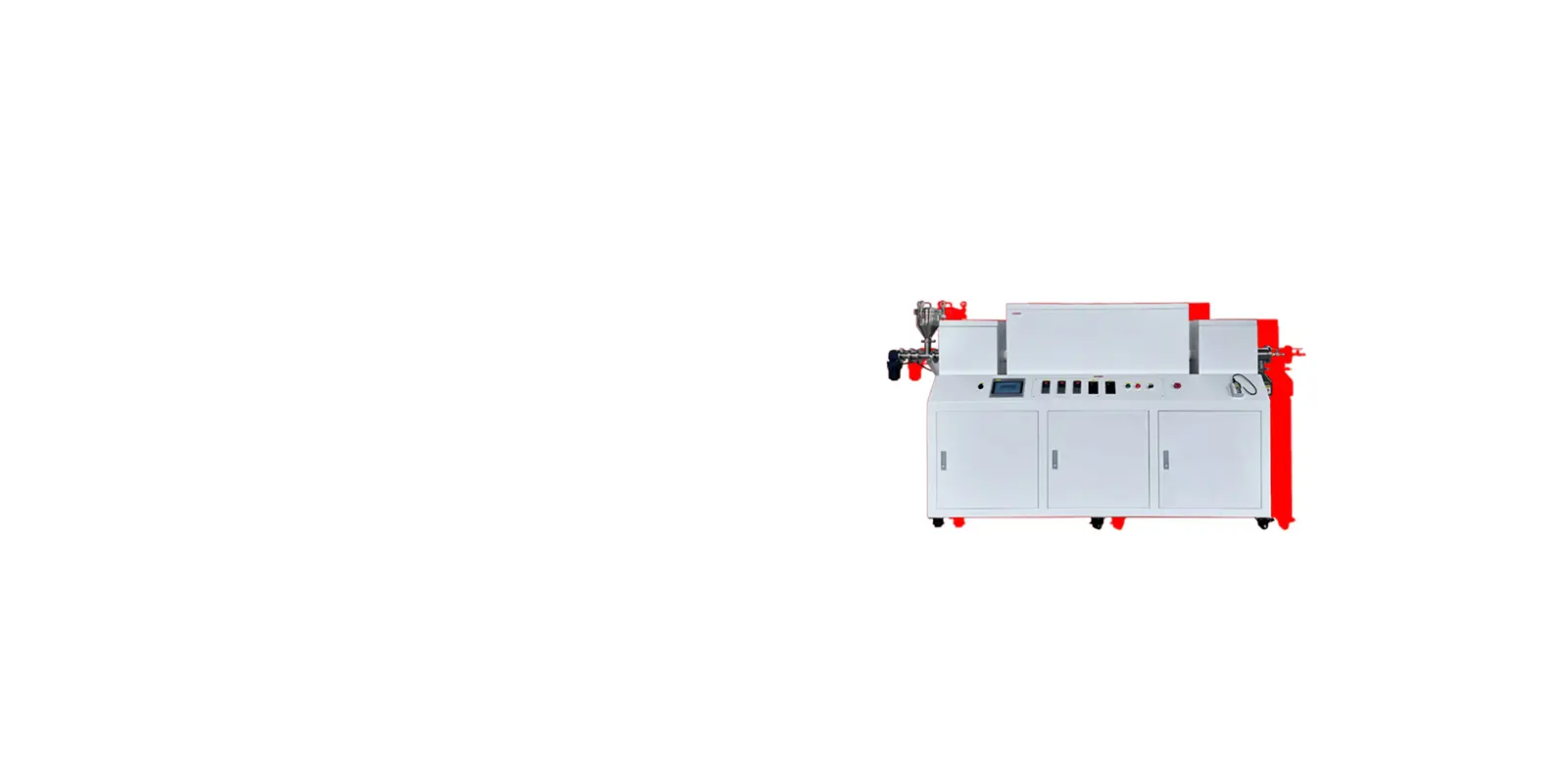
Kintek Furnace Heat Solutions For Advanced Labs
Muffle, Tube, Vacuum & Atmosphere Furnaces | CVD/PECVD Systems - Complete Thermal Solutions Engineered For Your Research.
Muffle, Tube, Vacuum & Atmosphere Furnaces | CVD/PECVD Systems - Complete Thermal Solutions Engineered For Your Research.
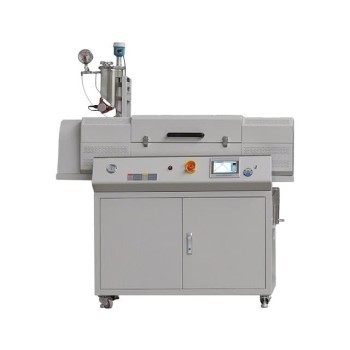
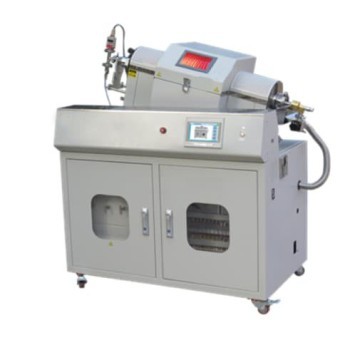
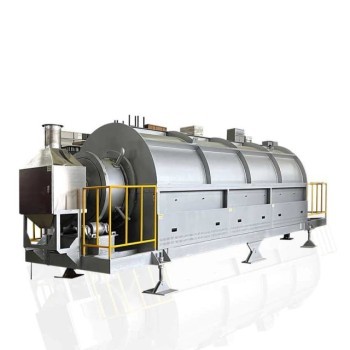
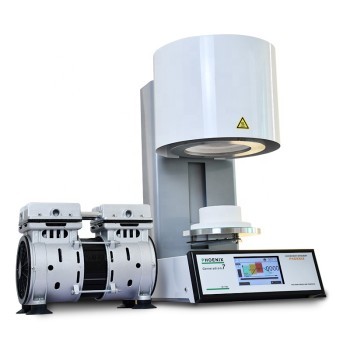
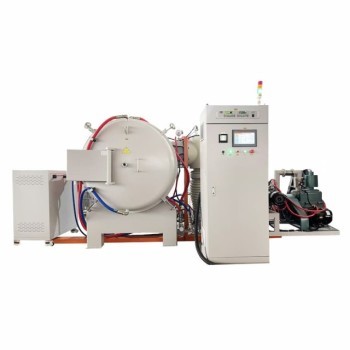
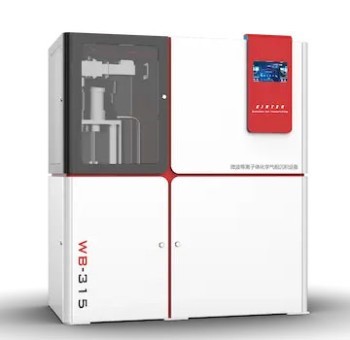
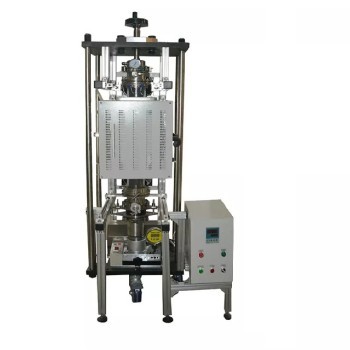
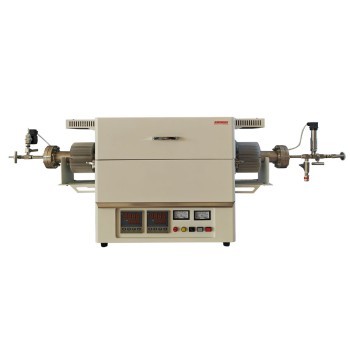
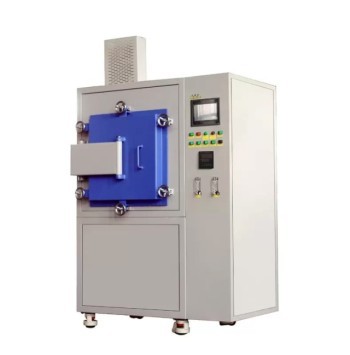
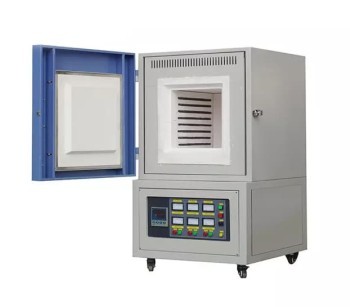
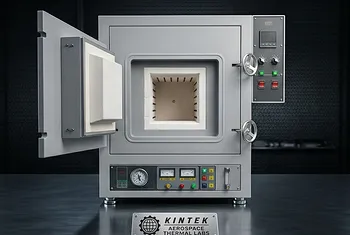
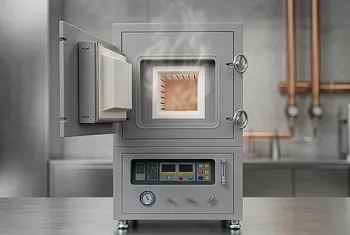
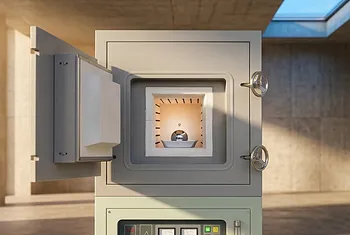
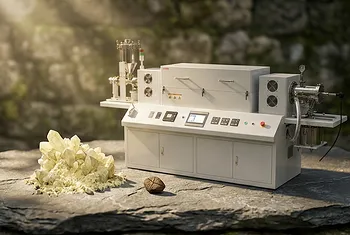
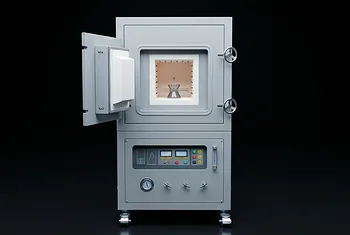
KinTek offers a comprehensive range of high-temperature furnaces—from lab and pilot to industrial production scales—operating up to 3000°C. A key KinTek advantage is the expert design and manufacturing of custom-made furnaces tailored to specific application needs, incorporating features such as diverse heating methods and ramp rates, ultra-high and dynamic vacuum systems, precisely controlled atmospheres with specialized gas circuits, integrated automation, and dedicated software and hardware development for advanced functionality.
View DetailsWe are proud to serve clients worldwide
Discover how mono-silane (SiH₄) doping eliminates trace oxygen in high-temperature furnaces, enabling flux-free brazing and safer, more cost-effective operations.
Learn why slow lowering speeds are essential in Bridgman crystal growth to prevent internal stress and ensure superior superconducting performance in your lab.
Discover why precise temperature control and vacuum environments are critical for 50Mo-50Re alloy brazing, and how to prevent brittle joints.
Stop struggling with surface decarburization and micro-cracks in bearing steel. Learn how Vacuum Oil Quenching ensures consistent microstructure and surface integrity.
Discover why Maraging steel fails to achieve target hardness and how precise thermal fields in box resistance furnaces drive the nanometer-scale strengthening process.
Discover how vacuum annealing eliminates work hardening and prevents oxidation in Zr-Nb-Mn alloys to achieve the perfect balance of strength and plasticity.
Discover why Tb4O7 powder causes ceramic failure and how hydrogen atmosphere pre-treatment ensures stable, high-performance magneto-optical materials.
Discover how nitrogen atmospheres in conveyor furnaces skew brazing data and why KINTEK high-vacuum furnaces are essential for establishing a scientific baseline.