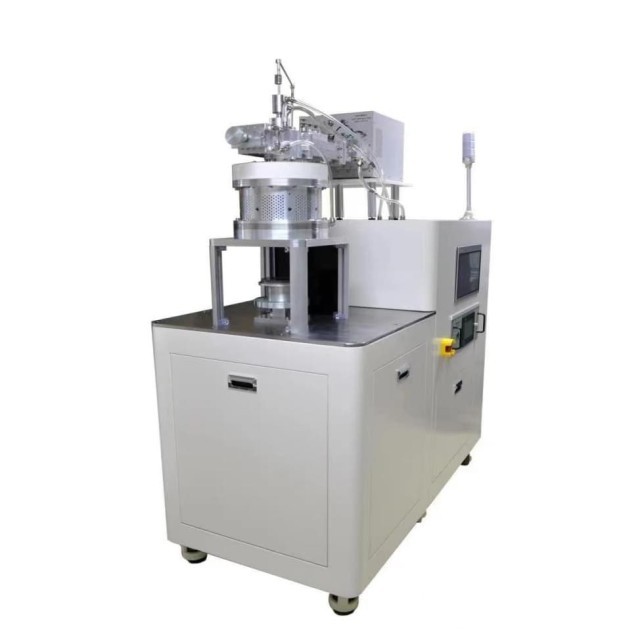
MPCVD
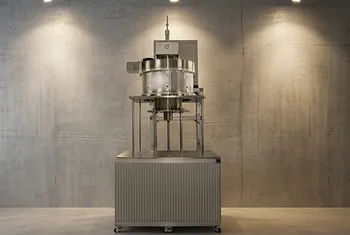
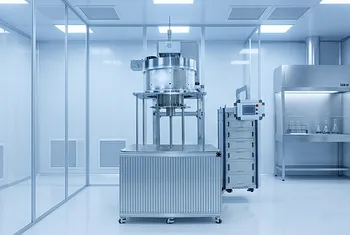
MPCVD Machine System Reactor Bell-jar Resonator for Lab and Diamond Growth
Item Number : KTMP315
Price varies based on specs and customizations
- Microwave power
- 1~10 kW
- Substrate growing area
- 3-inch
- Maximum batch load
- 45 diamond pieces

Shipping:
Contact us to get shipping details Enjoy On-time Dispatch Guarantee.
Why Choose Us
Easy ordering process, quality products, and dedicated support for your business success.
Elevate Your Diamond Synthesis with KINTEK
Leveraging exceptional R&D and in-house manufacturing, KINTEK delivers cutting-edge Microwave Plasma Chemical Vapor Deposition (MPCVD) systems. Our machines are meticulously designed for reliability, efficiency, and the consistent production of high-purity, high-quality diamonds, catering to diverse laboratory and industrial needs.
Why KINTEK MPCVD Systems Are Your Premier Choice
At KINTEK, we are committed to advancing diamond synthesis technology. Our MPCVD systems offer a compelling combination of performance, innovation, and support:
- Unmatched Reliability & Performance: With documented operational stability exceeding 40,000 hours, our MPCVD equipment sets the industry standard for reliability, repeatability, and cost-effectiveness. You can trust KINTEK systems for consistent results, run after run.
- Advanced Technological Edge: We continuously reinvest in R&D, implementing multiple upgrades and improvements. This commitment translates to MPCVD systems with significantly improved efficiency and reduced operational costs for our clients.
- Key System Advantages:
- Spacious Growth Area: Features a 3-inch substrate growing area, accommodating a maximum batch load of up to 45 diamond pieces.
- Energy Efficiency: Equipped with 1-10kW adjustable output microwave power, minimizing electricity consumption without compromising performance.
- Expert Knowledge Transfer: Benefit from the support of our richly experienced research team, including access to frontier diamond growing recipes.
- Comprehensive Support for All Users: We offer an exclusive technical support program, empowering even teams with zero prior diamond growing experience to achieve success.
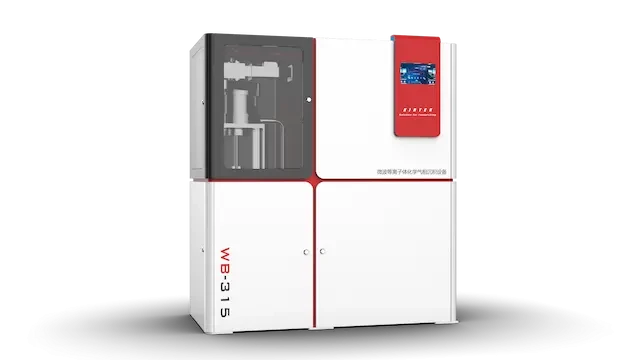
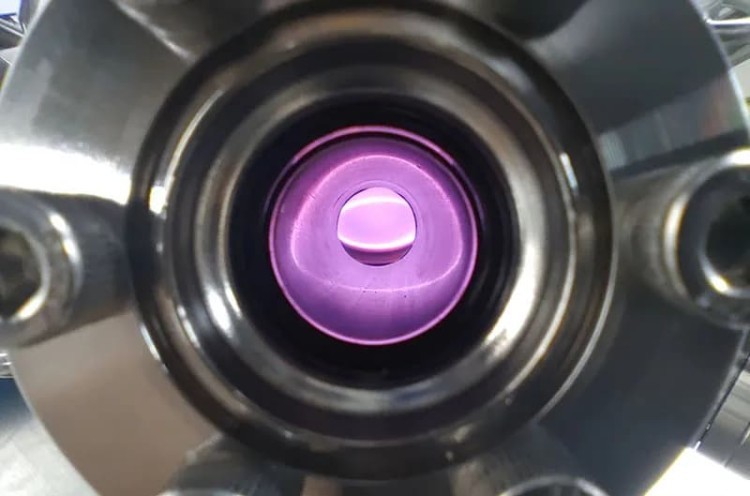
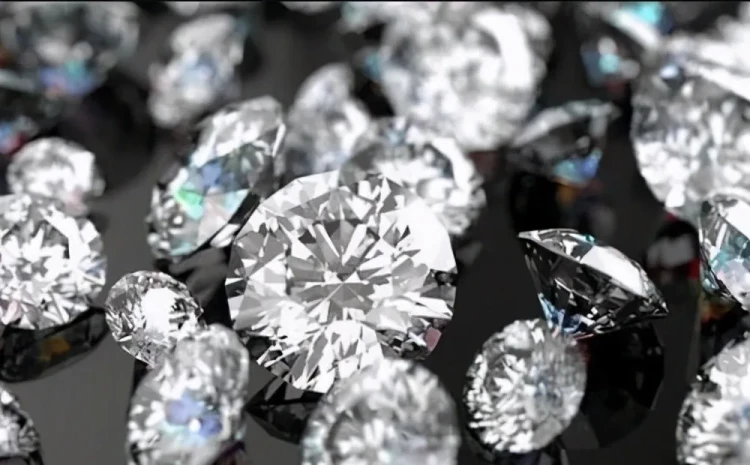
Visual Showcase: The KINTEK MPCVD Advantage in Action
See the remarkable results and precision engineering of our MPCVD technology:

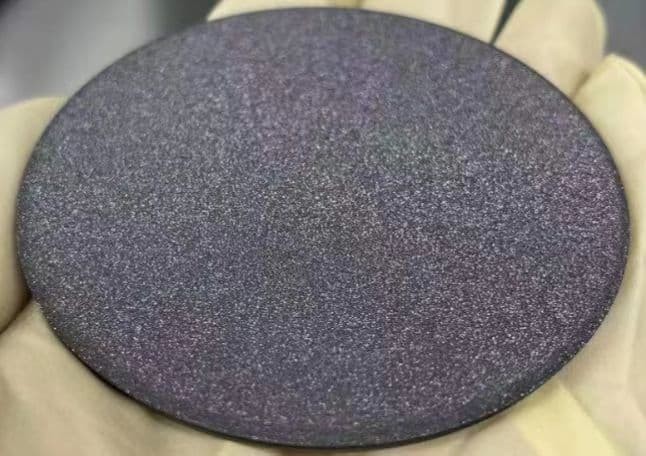
Understanding MPCVD Technology
MPCVD (Microwave Plasma Chemical Vapor Deposition) is an advanced technique for synthesizing high-quality diamond films and single crystals. It involves creating a microwave-generated plasma from carbon-containing gases (like methane, CH4) mixed with other gases (such as H2, Ar, O2, N2) within a vacuum chamber. This plasma facilitates the precise deposition of carbon atoms onto a substrate, allowing for the controlled growth of diamond material.
General Advantages of the MPCVD Method:
Compared to other synthesis techniques like High-Pressure High-Temperature (HPHT), MPCVD offers several key advantages:
- Higher Purity Diamonds: The non-contact plasma and controlled environment minimize contamination.
- Lower Energy Consumption: Generally more energy-efficient than HPHT.
- Potential for Larger Diamonds: Well-suited for growing larger single crystal diamonds and extensive films.
- Versatile Gas Control: Allows for the use of multiple gases, offering flexibility in tuning diamond properties.
- Stable Processing: Offers smooth microwave power adjustment and stable temperature control, crucial for consistent quality and avoiding issues like seed crystal loss.
These characteristics make MPCVD a promising and widely adopted method for industrial applications and advanced research, particularly where high quality and controlled growth are paramount.
Diverse Applications, Unlocked by KINTEK MPCVD
KINTEK's MPCVD systems are engineered to meet the demands of various cutting-edge applications, leveraging diamond's unique properties such as exceptional hardness, high stiffness, superior thermal conductivity, low thermal expansion, radiation-hardness, and chemical inertness:
- Lab-Grown Gemstones: Producing large, high-quality diamonds for the jewelry market at a competitive cost, offering an ethical and sustainable alternative.
- Semiconductor Industry: Enabling the growth of large-area, high-purity diamond substrates crucial for next-generation power electronics, quantum computing, and advanced sensors.
- Optical Components: Creating diamond films and windows with superior optical transmission, thermal stability, and durability for lasers and other optical systems.
- Industrial Tools: Manufacturing highly durable diamond-coated cutting, drilling, and grinding tools for machining hard and abrasive materials.
- Research & Development: Providing a versatile and reliable platform for academic and industrial researchers exploring new diamond materials, doping techniques, and applications.
Our MPCVD technology offers a significant advantage over traditional HPHT methods, especially for applications requiring large-sized, high-purity diamonds. This positions KINTEK systems as an ideal solution for the semiconductor, optics, and modern jewelry markets, driving innovation and enabling new possibilities.
In-Depth: KINTEK MPCVD System Design & Operation
How Our MPCVD Systems Work (Working Process)
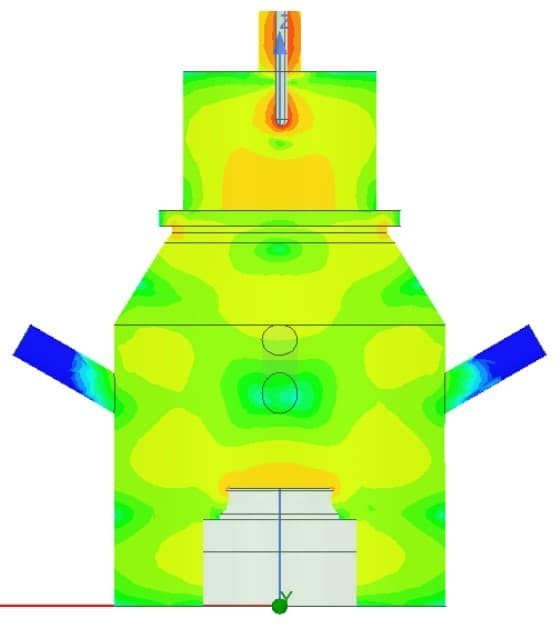
The KINTEK MPCVD machine meticulously controls the flow of each gas path (reactant gases such as CH4, H2, Ar, O2, N2, etc.) and cavity pressure. Gases are introduced into the cavity under specific, recipe-defined pressures. After stabilizing the airflow, a 6KW (or other specified power) solid-state microwave generator produces microwaves, which are then guided into the cavity through a waveguide.
Within the microwave field, the reaction gas transforms into a plasma state, forming a stable plasma ball that hovers precisely above the diamond substrate. The intense heat from the plasma raises the substrate to the optimal growth temperature. Excess heat generated within the cavity is efficiently dissipated by an integrated water-cooling unit.
To ensure optimal growth conditions during the MPCVD single crystal diamond growth process, operators can precisely adjust factors such as microwave power, gas source composition, and cavity pressure. A key advantage is that the plasma ball does not contact the cavity wall, ensuring the diamond growth process is free from impurities, thereby significantly enhancing the diamond's quality and purity.
System Components & Details
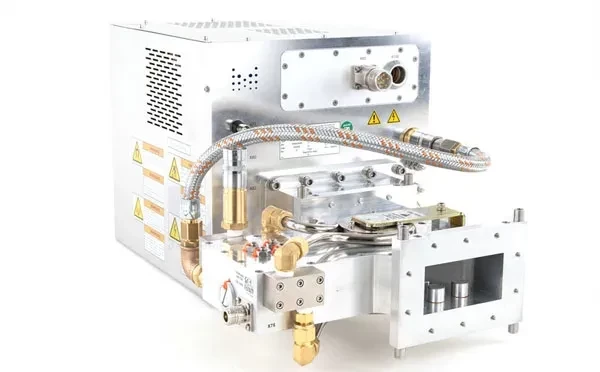
Microwave system

Reaction chamber
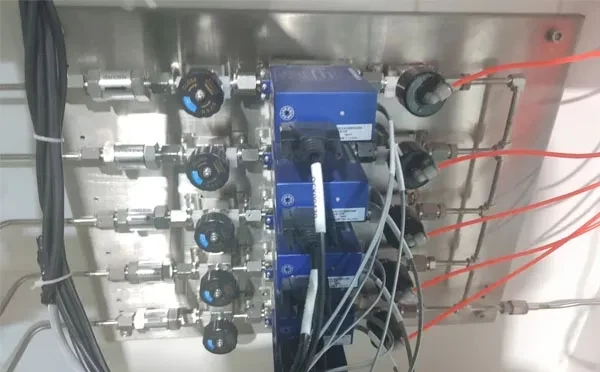
Gas flow system
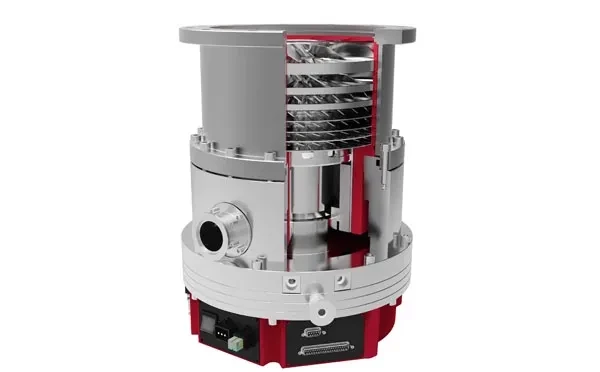
Vacuum and sensor system
Comprehensive Technical Specifications
| Microwave system |
|
| Reaction chamber |
|
| Sample holder |
|
| Gas flow system |
|
| Cooling system |
|
| Temperature sensor |
|
| Control system |
|
| Optional function |
|
Partner with KINTEK for Your Advanced Material Needs
KINTEK is a recognized leader in providing advanced high-temperature furnace solutions, backed by exceptional R&D capabilities and dedicated in-house manufacturing. Our extensive product line, which includes Muffle Furnaces, Tube Furnaces, Rotary Furnaces, Vacuum & Atmosphere Furnaces, and specialized CVD/PECVD/MPCVD Systems, is a testament to our comprehensive expertise in thermal processing and material science. We pride ourselves on our strong deep customization capability, allowing us to precisely meet your unique experimental or industrial production requirements.
Ready to Revolutionize Your Diamond Production or Research?
Discover how KINTEK's advanced MPCVD systems can elevate your capabilities. Whether you are focused on gemstone production, semiconductor materials, optical components, or pioneering research, our team of experts is here to help you find the perfect solution. We offer personalized consultation, detailed specifications, and custom-built systems tailored to your needs.
Contact Us Today to discuss your project, request a quote, or learn more about how KINTEK can empower your success in diamond synthesis!
Trusted by Industry Leaders
FAQ
What Is The Principle Of An MPCVD Machine?
What Are The Advantages Of Using An MPCVD Machine?
What Are The Key Applications Of MPCVD Machines?
What Are The Main Components Of An MPCVD Machine?
How Does An MPCVD Machine Enhance Energy Efficiency?
Why Is MPCVD Preferred For Diamond Growth?
REQUEST A QUOTE
Our professional team will reply to you within one business day. Please feel free to contact us!
Related Products
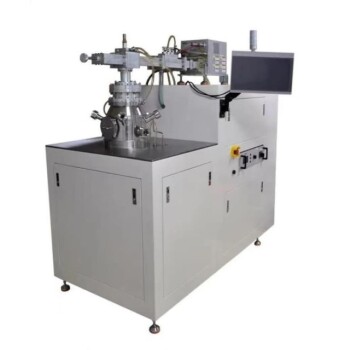
Cylindrical Resonator MPCVD Machine System for Lab Diamond Growth
KINTEK MPCVD Systems: Grow high-quality diamond films with precision. Reliable, energy-efficient, and beginner-friendly. Expert support available.

915MHz MPCVD Diamond Machine Microwave Plasma Chemical Vapor Deposition System Reactor
KINTEK MPCVD Diamond Machine: High-quality diamond synthesis with advanced MPCVD technology. Faster growth, superior purity, customizable options. Boost production now!

Slide PECVD Tube Furnace with Liquid Gasifier PECVD Machine
KINTEK Slide PECVD Tube Furnace: Precision thin film deposition with RF plasma, rapid thermal cycling, and customizable gas control. Ideal for semiconductors and solar cells.

Inclined Rotary Plasma Enhanced Chemical Deposition PECVD Tube Furnace Machine
KINTEK's PECVD coating machine delivers precision thin films at low temperatures for LEDs, solar cells & MEMS. Customizable, high-performance solutions.

Inclined Rotary Plasma Enhanced Chemical Deposition PECVD Tube Furnace Machine
Advanced PECVD Tube Furnace for precise thin film deposition. Uniform heating, RF plasma source, customizable gas control. Ideal for semiconductor research.

Custom Made Versatile CVD Tube Furnace Chemical Vapor Deposition CVD Equipment Machine
KINTEK's CVD Tube Furnace offers precision temperature control up to 1600°C, ideal for thin film deposition. Customizable for research and industrial needs.

Multi Heating Zones CVD Tube Furnace Machine for Chemical Vapor Deposition Equipment
KINTEK's Multi-Zone CVD Tube Furnaces offer precision temperature control for advanced thin film deposition. Ideal for research and production, customizable for your lab needs.
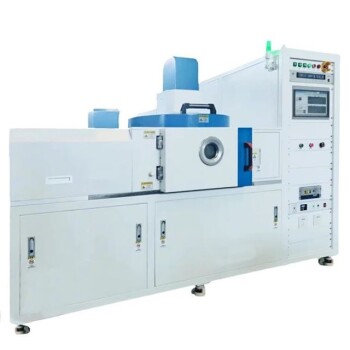
RF PECVD System Radio Frequency Plasma Enhanced Chemical Vapor Deposition
KINTEK RF PECVD System: Precision thin-film deposition for semiconductors, optics & MEMS. Automated, low-temperature process with superior film quality. Custom solutions available.

Split Chamber CVD Tube Furnace with Vacuum Station CVD Machine
Split Chamber CVD Tube Furnace with Vacuum Station - High precision 1200°C lab furnace for advanced materials research. Customizable solutions available.

Laboratory Quartz Tube Furnace RTP Heating Tubular Furnace
KINTEK's RTP Rapid Heating Tube Furnace delivers precise temperature control, rapid heating up to 100°C/sec, and versatile atmosphere options for advanced lab applications.
Related Articles
Why Your High-Temperature Synthesis Results Are Unreliable—And How to Fix It
Struggling with inconsistent results in material synthesis, CVD, or annealing? Discover the hidden cause of failure is your furnace's environment, not your process.
Solving the Bonding Dilemma: Why High-Strength Alloys Need More Than Just Pressure
Discover how multilayer metal foil interlayers solve deformation issues in ODS alloy diffusion bonding, ensuring atomic-level integrity at lower pressures.
How CVD Diamond Synthesis Methods Compare for Industrial Applications
Compare CVD diamond synthesis methods (HFCVD, DC Plasma Arc Jet, MPCVD) for cost, quality, and industrial applications like tools, optics, and quantum tech.
Why Your Biomass-Derived Graphene Lacks Uniformity—and the Thermal Secret to Fixing It
Struggling with inconsistent silver-decorated graphene? Learn how APCVD reactors and SiC vacuum furnaces ensure uniform nanoparticle distribution and high-quality synthesis.

Why Standard Resistance Furnaces Fail in Superconducting Crystal Growth—And the High-Vacuum Solution
Discover why precision temperature control and high-vacuum environments are critical for growing defect-free superconducting single crystals and how tungsten mesh technology makes it possible.
Solving the Purity Puzzle: Why the Right Quartz Reactor is Critical for Diphthalocyanine Synthesis
Discover why high-purity quartz reactors are essential for synthesizing metal-carbon nanocomposite precursors like diphthalocyanines without contamination.
Why Your High-Speed Steel Tools Fail Prematurely—And How Plasma Nitriding Rewrites the Science of Durability
Discover why traditional surface treatments often fail high-speed steel tools and how plasma nitriding equipment solves wear and friction at a molecular level.
The Cold Heart of the Furnace: Mastering Desublimation in Magnesium Recovery
An insight into the physics and engineering trade-offs of condensation crystallizers, the key to purity and yield in magnesium vapor recovery.
Stopping the Burn: Why Precision Gas Control is the Secret to Successful Mg-Li-Al-Ca Melting
Discover why Mg-Li alloys are prone to oxidation and how SF6/CO2 protective gas systems create the essential fluoride film required for high-purity alloy production.
Why Your Composite Powder Synthesis Fails at High Temps—And How to Stabilize the "Combustion Wave"
Discover how high-pressure SHS reactors solve volatilization and inconsistency in ZrSi2–MoSi2–ZrB2 powder synthesis through controlled magnesiothermic reduction.
Why Your Superelastic Alloys Fail to Perform—And How Solid-State Precision Fixes It
Discover why traditional casting fails Ti-Ni-X superelastic alloys and how Spark Plasma Sintering (SPS) provides precise composition control and fine microstructure.