Within 8 hours on working days, 24 hours on holidays
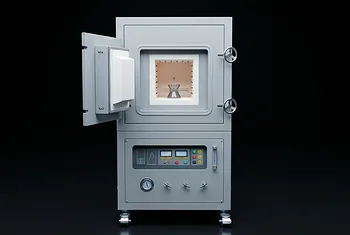
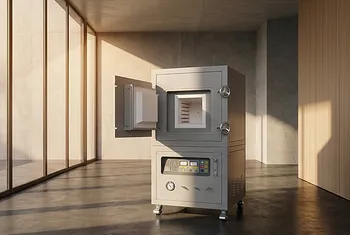
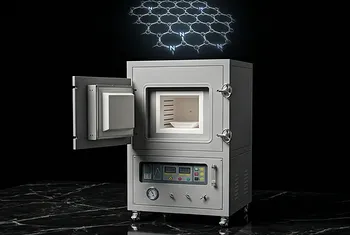
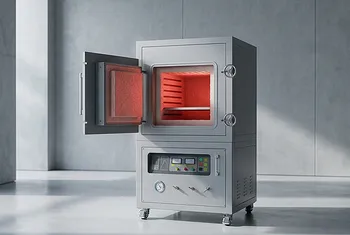
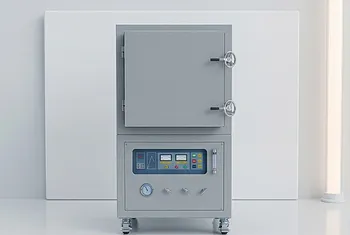
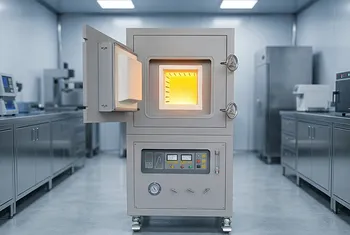
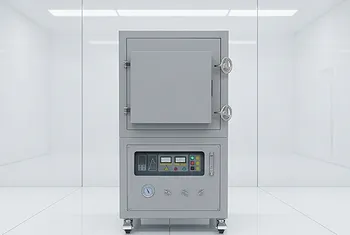
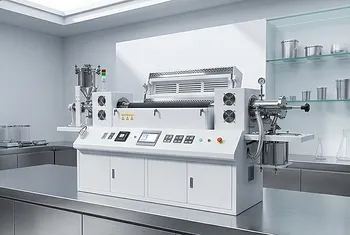
atmosphere furnace
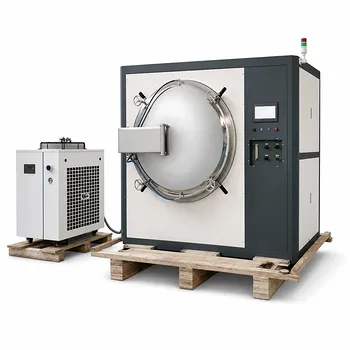
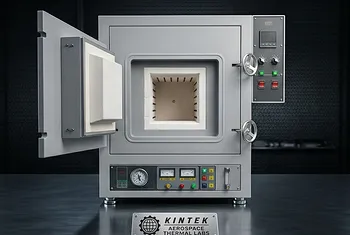
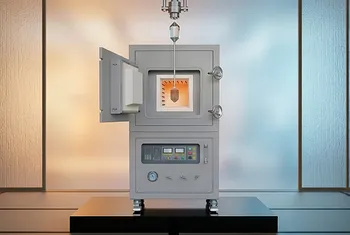
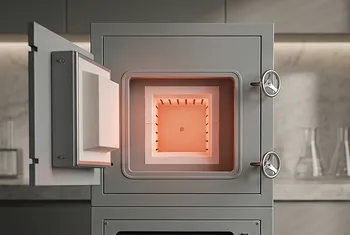
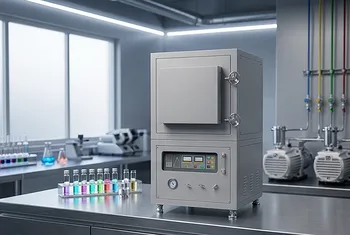
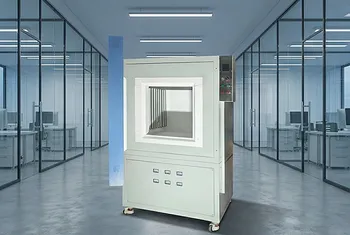
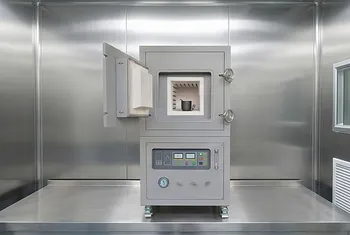
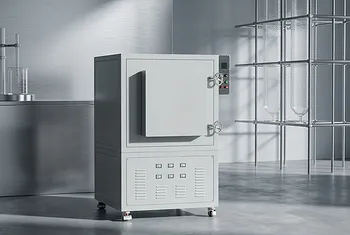
Atmosphere furnaces are essential for industries requiring precise environmental control during high-temperature processes. KINTEK offers a diverse range of atmosphere furnaces, including:
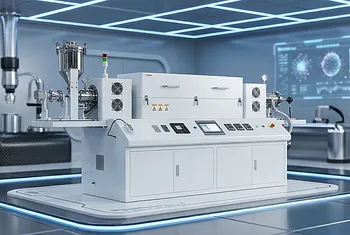
Mesh Belt Controlled Atmosphere Furnace: Perfect for continuous sintering and heat treatment with inert gas protection.
1200℃-1700℃ Controlled Atmosphere Furnaces: Series offering precise temperature control for various research and industrial applications.
Hydrogen Atmosphere Furnace: Specialized for processes requiring reducing environments up to 1600°C.
Vacuum Hot Press Furnaces: Combine atmosphere control with pressure for advanced material densification.
These systems are widely used in material science, semiconductor manufacturing, and energy research.
Advanced Atmosphere Furnace Solutions for Precision Material Processing
KINTEK's atmosphere furnaces represent the pinnacle of controlled environment heating technology, designed to meet the most demanding research and production requirements. Our systems excel in creating precisely controlled atmospheres - whether inert, reducing, or vacuum - to facilitate critical processes without oxidation or contamination.
Core Technology and Design Features
1. Precision Atmosphere Control Systems
Our furnaces incorporate advanced gas mixing and monitoring systems that maintain atmospheric compositions with exceptional accuracy. The proprietary gas distribution design ensures uniform atmosphere penetration throughout the working chamber, critical for consistent results in:
Metal sintering and annealing
Ceramic processing
Semiconductor wafer treatment
Advanced material synthesis
2. Multi-Layer Thermal Management
Featuring innovative heating element configurations and refractory materials, our furnaces achieve:
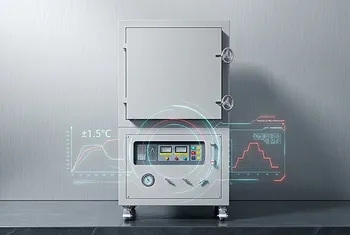
±1°C temperature uniformity
Rapid heating/cooling rates
Maximum temperatures up to 2200°C
Energy efficiency through optimized insulation
3. Intelligent Safety Architecture
The integrated protection system continuously monitors:
Oxygen content (ppm level detection)
Gas flow rates
Pressure differentials
Thermal gradients
Automated shutdown protocols activate if parameters exceed safe thresholds, protecting both samples and equipment.
Application-Specific Solutions
Materials Research
Our 1700℃ series with ultra-low oxygen capability (<5ppm) enables pure metal and alloy studies without oxidation artifacts. The modular design accommodates custom quartz or alumina reaction tubes for specialized experiments.
Industrial Production
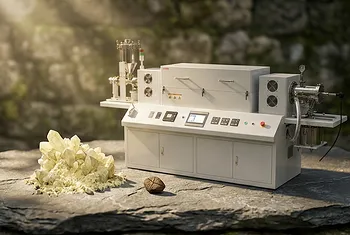
The mesh belt furnace configuration provides continuous processing for:
Solar cell metallization
Electronic component manufacturing
Powder metallurgy parts
With throughput capacities up to 100kg/hour and atmosphere recycling systems that reduce gas consumption by 40%.
Vacuum Hybrid Systems
Select models combine atmosphere control with vacuum capabilities (10^-3 Torr), ideal for:
Diffusion bonding
High-purity crystal growth
Advanced ceramic sintering
Custom Engineering Capabilities
KINTEK's in-house engineering team develops tailored solutions for unique challenges:
Specialized chamber geometries
Multi-zone temperature profiles
Integrated gas purification systems
Automated sample handling interfaces
Our rapid prototyping service can deliver custom furnace configurations in as little as 8 weeks, supported by comprehensive CFD modeling to validate performance before fabrication.
Why Choose KINTEK Atmosphere Furnaces?
Unmatched Process Control - Digital PID controllers with 25-segment programmable logic
Research-Grade Precision - Certified temperature uniformity maps with each system
Industrial Durability - High-grade stainless steel construction with 2-year standard warranty
Eco-Conscious Design - Energy recovery systems and low-emission operation
Global Support Network - 24/7 technical assistance with regional service centers
Take the Next Step in Material Innovation
Whether you're developing next-generation batteries or producing precision aerospace components, KINTEK has the atmosphere furnace solution to elevate your work. Our application engineers are ready to help you configure the ideal system for your specific requirements.
Contact our technical team today for a free process evaluation and furnace recommendation. Discover how our 20+ years of atmosphere furnace expertise can power your breakthroughs.
Atmosphere furnaces are widely used in material processing, metal processing, semiconductor manufacturing, solar cell production, optical materials, ceramics and glass industry, electronic material manufacturing, and research and development of new energy materials.
What Are The Key Features Of An Atmosphere Furnace?
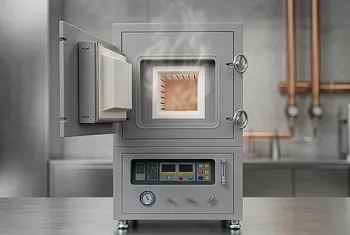
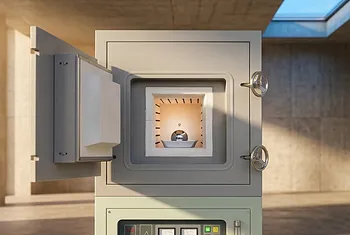
The key features of an atmosphere box furnace include its ability to maintain a specific gas environment, such as inert gases (e.g., nitrogen, argon), reducing gases (e.g., hydrogen), or vacuum conditions, to prevent oxidation, contamination, or unwanted chemical reactions during heating. The furnace typically consists of a high-temperature-resistant box chamber, heating elements, and a gas supply system. Advanced models may include programmable temperature controllers, uniform heating zones, and safety interlocks to ensure operational reliability.
How Does An Atmosphere Furnace Work?
A tube furnace generates heat through a heat source and transfers this heat to the heated workpiece or medium via the furnace tube. This process provides stable and uniform heating suitable for various industrial applications. The principle of sintering involves heating materials to high temperatures below their melting points, causing particles to bond and form a solid structure. Heat and sometimes pressure are applied to compact and densify materials, enhancing their mechanical and physical properties.
What Are The Advantages Of Using An Atmosphere Furnace?
The advantages of an atmosphere furnace include strong environmental control capability by adjusting atmosphere components, lower cost compared to vacuum furnaces, and a wide range of applications suitable for various materials like metals and ceramics. Additionally, atmosphere tube furnaces offer precise temperature control, flexible atmosphere control, high heating efficiency, energy conservation and environmental protection, safe and reliable operation, wide applicability, and reasonable structural design.
What Types Of Gases Can Be Used In An Atmosphere Furnace?
An atmosphere furnace can maintain specific gas environments such as inert gases (e.g., nitrogen, argon), reducing gases (e.g., hydrogen), or vacuum conditions to prevent oxidation, contamination, or unwanted chemical reactions during heating.
What Safety Features Are Available In Advanced Atmosphere Furnaces?
Advanced atmosphere furnaces may include programmable temperature controllers, uniform heating zones, and safety interlocks to ensure operational reliability. A program-controlled atmosphere furnace includes a protection system that monitors critical parameters such as furnace temperature and oxygen content. In case of any abnormalities, the system can automatically shut down or trigger an alarm to protect both the furnace and the samples inside.
This website uses cookies to enhance your browsing experience,
analyze site traffic, and serve better user experiences. By continuing to use this site, you consent to our use of
cookies. Learn more in our cookie policy.