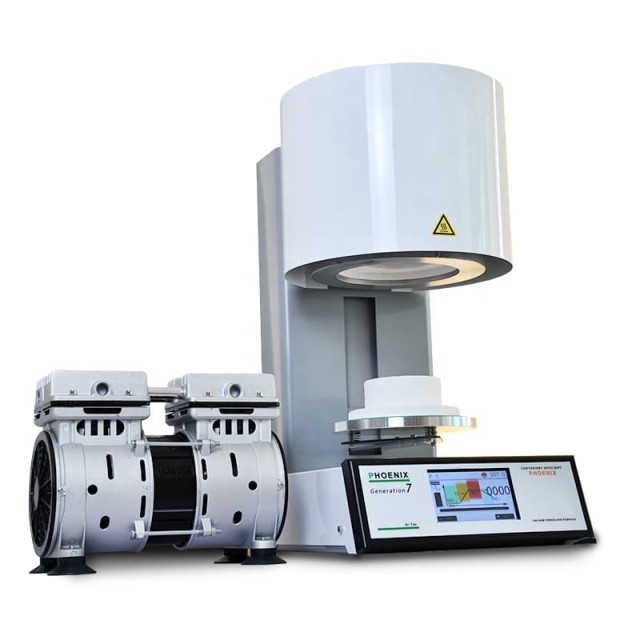
Dental Furnace
Vacuum Dental Porcelain Sintering Furnace for Dental Laboratories
Item Number : KT-DV10
Price varies based on specs and customizations
- Max temperature
- 1200℃ max(2283°F)
- Heating speed
- 200℃/min max. (392°F /minute)
- Vacuum level
- 1-101%

Shipping:
Contact us to get shipping details Enjoy On-time Dispatch Guarantee.
Why Choose Us
Easy ordering process, quality products, and dedicated support for your business success.
KinTek Vacuum Porcelain Furnace
Product Showcase
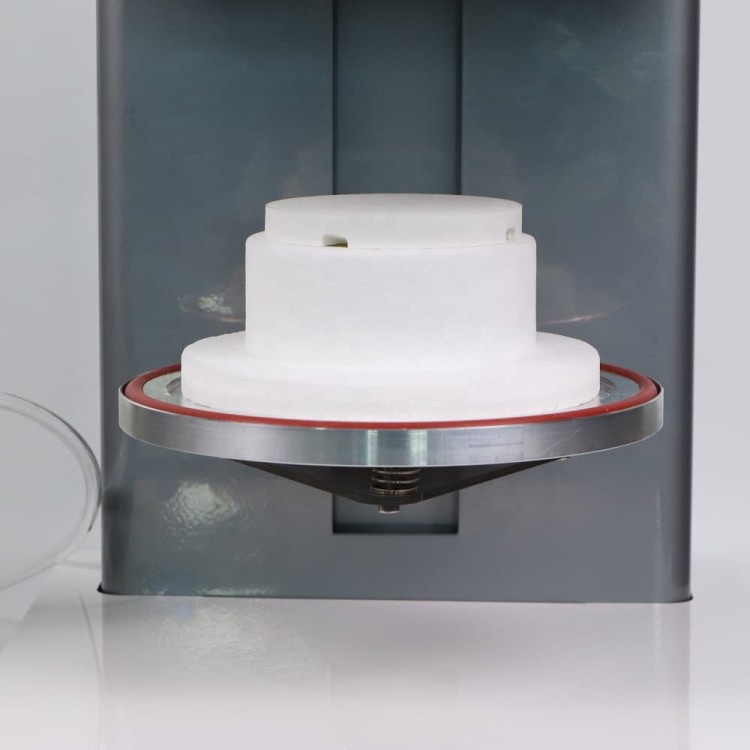
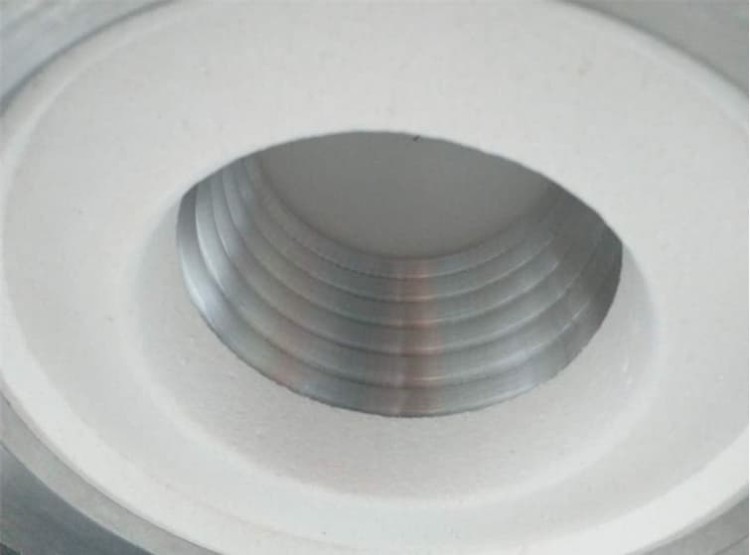
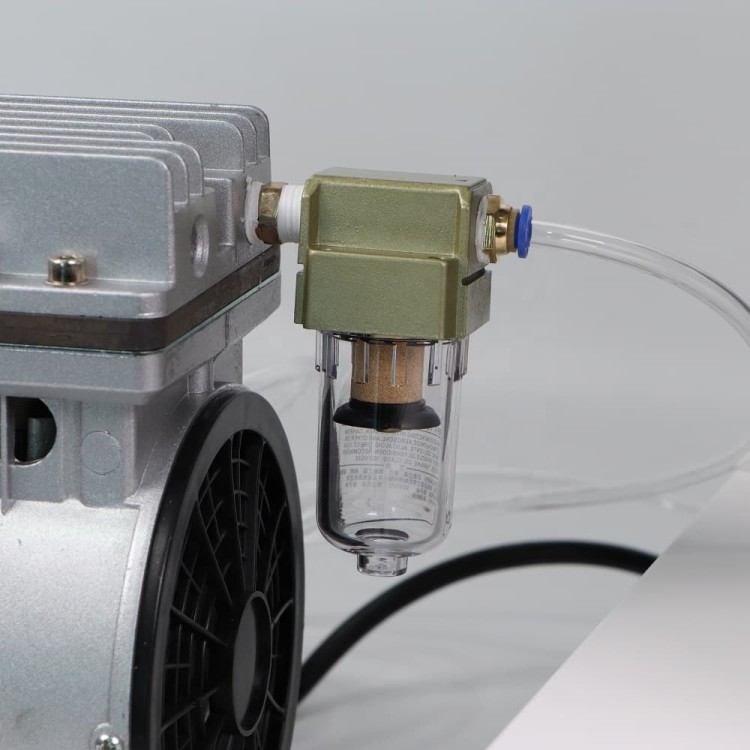
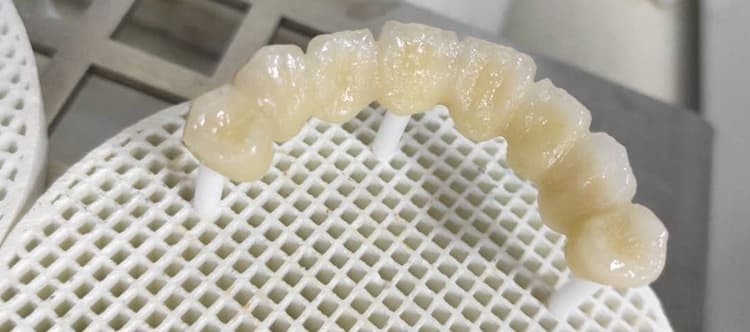
The KinTek Vacuum Porcelain Furnace is engineered for precision and efficiency in dental laboratories. It excels in fabricating high-quality pressed-ceramic restorations by utilizing a combined firing and pressing mechanism. This advanced system employs controlled heat and pressure to liquefy ceramic blocks and precisely force them into refractory investment molds, ensuring exceptional results for a wide range of dental applications.
Key Features & Benefits
- Advanced Firing Control: Features a hyperbolic ceramic furnace function, with programmable single curve or hyperbolic modes. The hyperbolic mode is optimized for a complete crystallization process, ideal for glass-ceramics.
- User-Friendly Operation: Equipped with a true color touch screen for easy navigation and voice prompt functionality for guided operation.
- Precision Temperature Management: Ensures high-quality, consistent results with automatic temperature adjustment (actual temperature error within +/- 1°C) and automatic temperature calibration before each baking cycle.
- Smooth & Quiet Performance: Utilizes a precision stepper motor drive for smooth, jitter-free tray operation and a low-noise tray design.
- Efficient Design: Features a durable quartz spiral furnace for optimal heating.
- Versatile Programming: Offers 90 customizable programs alongside built-in programs to suit diverse needs.
- Clear Status Indication: Provides real-time updates on the operational status.
Primary Applications
The KinTek Phoenix Generation 7 Vacuum Porcelain Furnace is expertly designed for:
- Fabricating Pressed-Ceramic Restorations: It employs a combined firing/pressing mechanism, utilizing specialized firing chambers and pressure plungers. This process, which resembles casting, uses controlled pressure and heat to liquefy ceramic blocks and precisely force them into lost, refractory investment molds.
- Wide Material Compatibility: Suitable for use with all kinds of porcelain powders available on the market, including those from leading manufacturers like IVOCLAR, VITA, NORITAKE, and others.
Technical Specifications
| Heating speed | 200℃/min max. (392°F /minute) |
| Max temperature | 1200℃ max(2283°F) |
| Max temperature holding time | 2 hours |
| Vacuum level | 1-101% |
| Electric power supply | 100-120V 50/60HZ 230V 50/60HZ |
| Rated current | 14.5ampere@110V 7.0ampere@230V |
| Rated output power | max 1500w |
| Dimension | H27cm x W36cm x D53cm |
| Firing chamber diameter | 9cm(3.5") |
| Net weight | 20Kg |
| Weight with package | 23.5Kg |
Ambient Operating Conditions
- Indoor use
- Ambient temperature: 2°C to 40°C
- Relative humidity 80% at 31°C
- Maximum altitude: 1500 m (Special Model: 3500m)
- Rated voltage fluctuations must not exceed plus/minus 10% of the rated voltage
What's Included
- 1 Furnace
- 1 Firing pan
- 1 Connection cable for the mains power supply
- 1 Set of Instructions
- 1 Burning rack
Why Choose KINTEK for Your Laboratory?
Leveraging exceptional R&D and in-house manufacturing, KINTEK provides diverse laboratories with advanced high-temperature furnace solutions. Our product line, including Muffle, Tube, Rotary Furnaces, Vacuum & Atmosphere Furnaces, and CVD/PECVD/MPCVD Systems, is complemented by our strong deep customization capability to precisely meet unique experimental requirements.
Ready to enhance your laboratory's capabilities with the Phoenix Generation 7 or explore a custom furnace solution?
Our experts are here to help. Contact us today to discuss your specific needs and learn how KINTEK can support your work.
Trusted by Industry Leaders
FAQ
What Is The Principle Of A Porcelain Furnace?
What Is A Dental Furnace Used For?
What Are The Main Applications Of A Vacuum Furnace?
What Is An Atmosphere Furnace Used For?
What Are The Advantages Of Using A Porcelain Furnace?
What Are The Key Features Of A Dental Furnace?
What Are The Key Features Of A Vacuum Furnace?
What Are The Key Features Of An Atmosphere Furnace?
What Are The Applications Of A Porcelain Furnace?
How Does A Dental Furnace Work?
How Does A Vacuum Furnace Work?
How Does An Atmosphere Furnace Work?
What Safety Features Should A Porcelain Furnace Have?
What Are The Advantages Of Using A Dental Furnace?
What Are The Advantages Of Using A Vacuum Furnace?
What Are The Advantages Of Using An Atmosphere Furnace?
What Advanced Features Do Some Porcelain Furnaces Offer?
What Safety Features Should A Dental Furnace Have?
What Types Of Materials Can Be Processed In A Vacuum Furnace?
What Types Of Gases Can Be Used In An Atmosphere Furnace?
What Types Of Dental Furnaces Are Available?
What Is The Difference Between Hot Wall And Cold Wall Vacuum Furnaces?
What Safety Features Are Available In Advanced Atmosphere Furnaces?
Can Vacuum Furnaces Be Customized For Specific Applications?
REQUEST A QUOTE
Our professional team will reply to you within one business day. Please feel free to contact us!
Related Products

Dental Porcelain Zirconia Sintering Ceramic Vacuum Press Furnace
Precision Vacuum Press Furnace for labs: ±1°C accuracy, 1200°C max, customizable solutions. Boost research efficiency today!

Chairside Dental Porcelain Zirconia Sintering Furnace with Transformer for Ceramic Restorations
Dental Porcelain Speedy Sintering Furnace: Fast 9-minute zirconia sintering, 1530°C precision, SiC heaters for dental labs. Boost productivity today!

Vacuum Heat Treat Sintering Furnace with Pressure for Vacuum Sintering
KINTEK's Vacuum Pressure Sintering Furnace offers 2100℃ precision for ceramics, metals, and composites. Customizable, high-performance, and contamination-free. Get a quote now!

Vacuum Heat Treat Sintering Furnace Molybdenum Wire Vacuum Sintering Furnace
KINTEK's Vacuum Molybdenum Wire Sintering Furnace excels in high-temperature, high-vacuum processes for sintering, annealing, and material research. Achieve precise 1700°C heating with uniform results. Custom solutions available.

Vacuum Heat Treat Sintering and Brazing Furnace
KINTEK Vacuum Brazing Furnaces deliver precision, clean joints with superior temperature control. Customizable for diverse metals, ideal for aerospace, medical, and thermal applications. Get a quote!

9MPa Air Pressure Vacuum Heat Treat and Sintering Furnace
Achieve superior ceramic densification with KINTEK's advanced air pressure sintering furnace. High-pressure up to 9MPa, precise 2200℃ control.

600T Vacuum Induction Hot Press Vacuum Heat Treat and Sintering Furnace
600T Vacuum Induction Hot Press Furnace for precise sintering. Advanced 600T pressure, 2200°C heating, vacuum/atmosphere control. Ideal for research & production.

Small Vacuum Heat Treat and Tungsten Wire Sintering Furnace
Compact vacuum tungsten wire sintering furnace for labs. Precise, mobile design with superior vacuum integrity. Ideal for advanced material research. Contact us!

2200 ℃ Tungsten Vacuum Heat Treat and Sintering Furnace
2200°C Tungsten Vacuum Furnace for high-temperature materials processing. Precise control, superior vacuum, customizable solutions. Ideal for research & industrial applications.

High Temperature Muffle Oven Furnace for Laboratory Debinding and Pre Sintering
KT-MD Debinding & Pre-Sintering Furnace for ceramics - precise temperature control, energy-efficient design, customizable sizes. Boost your lab efficiency today!

2200 ℃ Graphite Vacuum Heat Treat Furnace
2200℃ Graphite Vacuum Furnace for high-temperature sintering. Precise PID control, 6*10⁻³Pa vacuum, durable graphite heating. Ideal for research & production.

Spark Plasma Sintering SPS Furnace
Discover KINTEK's advanced Spark Plasma Sintering (SPS) Furnace for rapid, precise material processing. Customizable solutions for research and production.

Vacuum Hot Press Furnace Machine Heated Vacuum Press Tube Furnace
Discover KINTEK's advanced Vacuum Tube Hot Press Furnace for precise high-temperature sintering, hot pressing, and material bonding. Customizable solutions for labs.

Vacuum Induction Melting Furnace
Explore KINTEK's Vacuum Induction Melting Furnace for high-purity metal processing up to 2000℃. Customizable solutions for aerospace, alloys, and more. Contact us today!

Vacuum Hot Press Furnace Machine for Lamination and Heating
KINTEK Vacuum Lamination Press: Precision bonding for wafer, thin-film & LCP applications. 500°C max temp, 20-ton pressure, CE certified. Custom solutions available.

Molybdenum Vacuum Heat Treat Furnace
High-performance molybdenum vacuum furnace for precise 1400°C heat treatment. Ideal for sintering, brazing, and crystal growth. Durable, efficient, and customizable.

Vacuum Hot Press Furnace Machine Heated Vacuum Press
KINTEK Vacuum Hot Pressing Furnace: Precision heating & pressing for superior material density. Customizable up to 2800°C, ideal for metals, ceramics, and composites. Explore advanced features now!

Vacuum Sealed Continuous Working Rotary Tube Furnace Rotating Tube Furnace
Precision rotary tube furnace for continuous vacuum processing. Ideal for calcination, sintering, and heat treatment. Customizable up to 1600℃.

High Pressure Laboratory Vacuum Tube Furnace
KINTEK High Pressure Tube Furnace: Precision heating up to 1100°C with 15Mpa pressure control. Ideal for sintering, crystal growth, and lab research. Customizable solutions available.

Vacuum Heat Treat Furnace with Ceramic Fiber Liner
KINTEK's Vacuum Furnace with Ceramic Fiber Lining offers precise high-temperature processing up to 1700°C, ensuring uniform heat distribution and energy efficiency. Ideal for labs and production.
Related Articles
Cracked Zirconia, Inconsistent Shades: The Real Reason Your Sintering Furnace Is Failing You
Stop blaming materials. Discover the root cause of inconsistent dental sintering—the 'one-size-fits-all' furnace—and how a purpose-built solution ends costly remakes.
Why Your Sintered Parts Fail: It’s Not Just About Heat, But Pressure and Purity
Struggling with porous, weak, or contaminated sintered materials? Discover why simply raising the temperature isn't the answer and how the interplay of heat, pressure, and vacuum is the key.
Why Your Electrochromic Electrodes Fail During Sintering—And How Vacuum Control Restores Transparency
Discover how vacuum sintering prevents ITO degradation and TiO2 reduction in electrochromic electrodes, ensuring high transparency and conductivity.
Why Your Stainless Steel Parts Fail Pressure Tests—and How Vacuum Sintering Fixes the Density Gap
Discover why conventional sintering fails to produce high-density stainless steel and how high-temperature vacuum technology eliminates oxidation for superior strength.
Beyond the Program: Why Your Sintering Fails and How to Guarantee Uniformity
Struggling with cracked or inconsistent parts? Discover why your furnace's thermal environment, not just your program, is the real culprit and how to fix it.
Beyond Maintenance: The Real Reason Your Dental Furnace Delivers Inconsistent Results
Tired of inconsistent zirconia shades and costly remakes? Discover why maintenance isn't the whole story and how a furnace's core design is the key to perfect results.
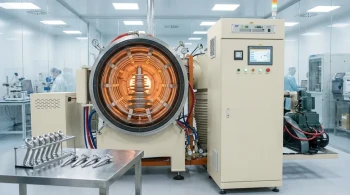
The Physics of Perfection: How Vacuum Furnaces Redefine Material Integrity
Discover how vacuum furnaces achieve ultimate process control by removing atmospheric variables, ensuring superior material properties and part quality.
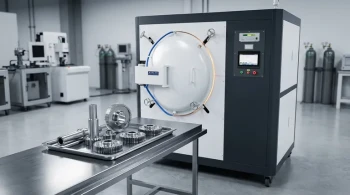
The Physics of Perfection: How Vacuum Furnaces Eliminate Metallurgical Uncertainty
Vacuum heat treatment offers more than a clean surface; it provides ultimate control by eliminating atmospheric variables, enhancing material integrity and process repeatability.
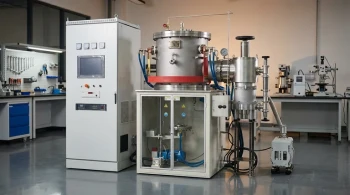
The Pursuit of Nothing: How Vacuum Furnace Control Defines Material Destiny
Explore the 5 critical factors of vacuum furnaces, from partial pressure to quenching, and see how precision control transforms material science.
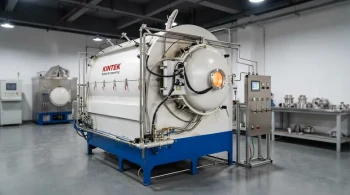
The Physics and Psychology of a Perfect Joint: Why Vacuum Furnaces Excel at Eliminating Stress
Discover how vacuum brazing's uniform thermal control not only prevents warping but actively relieves pre-existing material stress for ultimate stability.
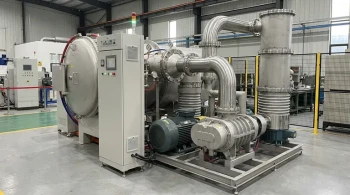
The Anatomy of Speed: Deconstructing Vacuum Furnace Pump-Down Times
Pump-down time is a deceptive metric. True throughput depends on a staged system of pumps, cooling, and overcoming the physics of outgassing.
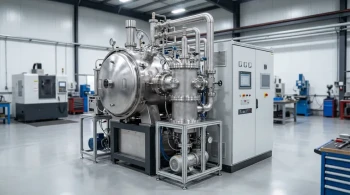
Beyond Clean: How Vacuum Furnaces Redefine Perfection in Metal Joining
Vacuum brazing isn't just clean; it prevents contamination at a molecular level. Discover how this shift from cure to prevention creates superior joints.