Within 8 hours on working days, 24 hours on holidays
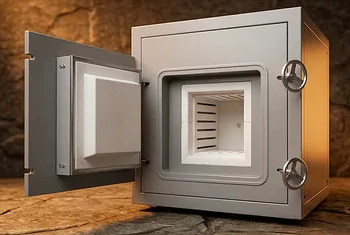
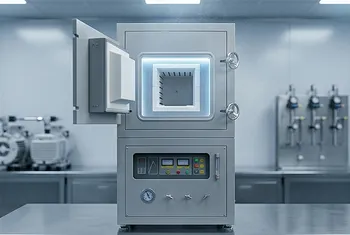
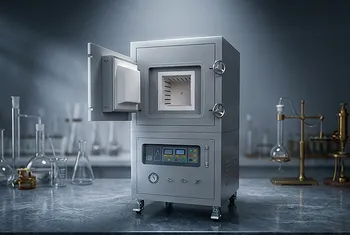
porcelain furnace
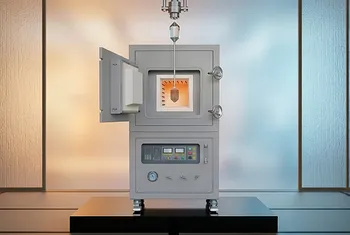
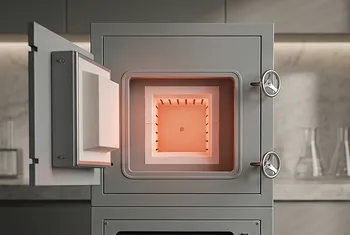
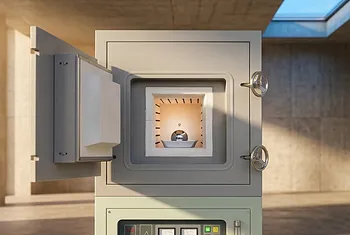
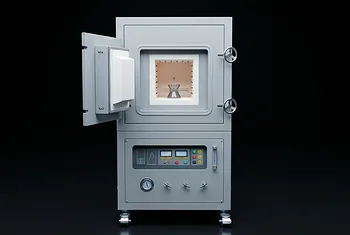
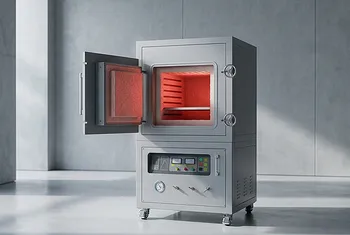
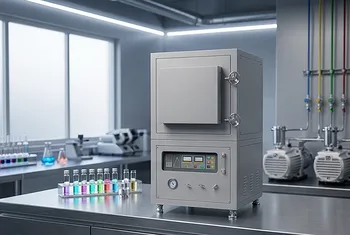
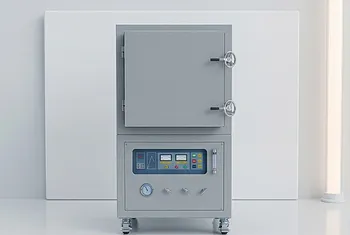
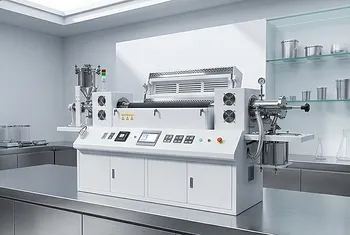
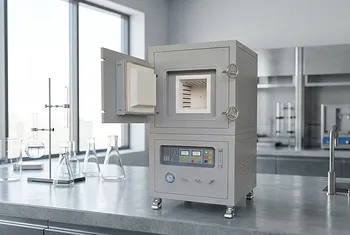
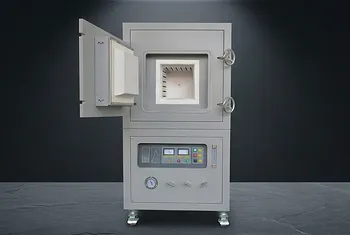
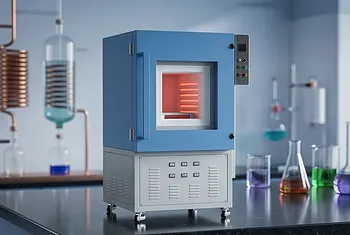
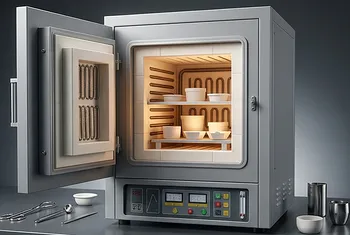
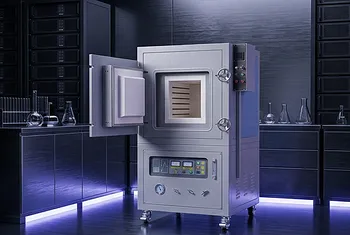
KINTEK's porcelain furnaces are engineered for dental laboratories requiring high-precision ceramic sintering and restoration fabrication. Our range includes:
Chairside Dental Porcelain Zirconia Sintering Furnace: Achieves rapid 9-minute sintering cycles with 1530°C precision, ideal for efficient dental lab workflows.
Dental Porcelain Zirconia Sintering Ceramic Vacuum Press Furnace: Offers ±1°C temperature accuracy and 1200°C maximum temperature for delicate ceramic work.
Vacuum Dental Porcelain Sintering Furnace: Features advanced firing control and user-friendly operation for consistent, high-quality restorations.
These furnaces are designed to meet the rigorous demands of modern dental laboratories, ensuring reliable performance and exceptional results.
Precision Porcelain Furnaces for Advanced Dental Applications
KINTEK's porcelain furnaces represent the pinnacle of dental ceramic processing technology, combining precision engineering with customizable features to meet the exacting standards of modern dental laboratories.
Advanced Technical Features
Our porcelain furnaces incorporate several cutting-edge technologies:
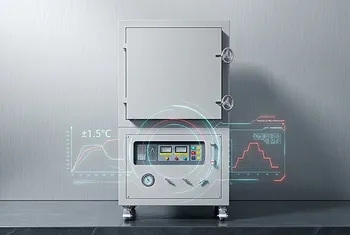
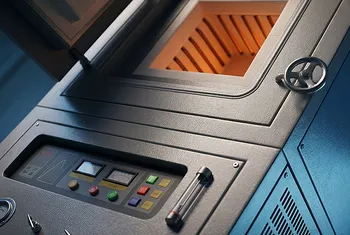
Precision Temperature Control: Utilizing advanced PID controllers and high-quality thermocouples, our furnaces maintain temperature accuracy within ±1°C, critical for consistent ceramic sintering results.
Rapid Heating Systems: The Chairside model features specialized SiC heating elements that enable remarkably fast 9-minute zirconia sintering cycles at temperatures up to 1530°C, significantly improving laboratory productivity.
Programmable Firing Cycles: Customizable firing profiles allow technicians to create and save specific programs for different ceramic materials and restoration types, ensuring optimal results for each application.
Vacuum/Pressure Capabilities: Select models incorporate vacuum and pressure systems that eliminate porosity in ceramic materials, producing stronger, more durable dental restorations.
Advanced Cooling Systems: Controlled cooling mechanisms prevent thermal shock and cracking, gradually bringing restorations to safe handling temperatures while maintaining material integrity.
Safety and Reliability
Every KINTEK porcelain furnace includes comprehensive safety features:
Multi-point temperature monitoring
Automatic over-temperature protection
Emergency power-off systems
Pressure relief valves (on vacuum/pressure models)
Insulated chambers for operator safety
Custom Solutions for Your Laboratory
Beyond our standard models, KINTEK specializes in custom-engineered solutions:
Size and Capacity Variations: From compact chairside units to large-capacity production models
Specialized Atmosphere Options: Including inert gas and reducing atmosphere capabilities
Integration Features: Designed to work seamlessly with your existing CAD/CAM systems
Material-Specific Profiles: Pre-programmed for all major ceramic brands and materials
Our engineering team works directly with dental laboratories to develop furnaces that precisely match their workflow requirements and production volumes.
Why Choose KINTEK Porcelain Furnaces?
Industry-Leading Precision: Our ±1°C temperature control ensures consistent, predictable results batch after batch.
Unmatched Productivity: Rapid heating and cooling cycles minimize turnaround time without compromising quality.
Superior Restoration Quality: Vacuum and pressure capabilities produce restorations with exceptional density and strength.
Long-Term Reliability: Built with premium components and rigorous quality control for years of trouble-free operation.
Comprehensive Support: Includes installation training, maintenance programs, and ongoing technical support.
Transform Your Dental Laboratory Today
Whether you're processing zirconia crowns, ceramic veneers, or complex bridgework, KINTEK's porcelain furnaces deliver the precision, speed, and reliability your laboratory needs to excel in today's competitive dental market.
Ready to upgrade your ceramic processing capabilities?Contact our dental equipment specialists to discuss your specific requirements and discover how KINTEK's porcelain furnaces can enhance your laboratory's productivity and restoration quality.
FAQ
What Is The Principle Of A Porcelain Furnace?
A porcelain furnace heats unglazed ceramic plates until they become malleable, allowing them to be shaped using pre-made dies. After shaping, the piece is slowly cooled before final polishing. The furnace precisely controls the temperature (typically between 900-1000°C) to fuse porcelain with substrates in a controlled atmosphere, ensuring strong bonds without cracking. Key components include a heating element (often made of molybdenum disilicide), a temperature controller with a digital display, a heating chamber for holding restorations, and a cooling system.
What Are The Advantages Of Using A Porcelain Furnace?
Porcelain furnaces are essential in various industries and research fields due to their ability to perform high-temperature processes with precision and reliability. They are widely used in ceramics, metallurgy, electronics, and environmental treatment. Advanced models may include features like vacuum/pressure capabilities, programmable firing cycles, and multiple heating elements, enhancing their versatility and efficiency.
What Are The Applications Of A Porcelain Furnace?
Porcelain furnaces are primarily used in dental laboratories for fabricating ceramic restorations, such as crowns and bridges. They are also employed in industries like ceramics, metallurgy, and electronics for high-temperature processing. Their ability to precisely control temperature and atmosphere makes them indispensable for creating durable and high-quality ceramic products.
What Safety Features Should A Porcelain Furnace Have?
A porcelain furnace should be equipped with safety features such as temperature sensors, pressure sensors, and emergency shut-off switches to prevent accidents and protect the operator and patient. These features ensure safe operation during high-temperature processes and help maintain the integrity of the ceramic restorations being fabricated.
What Advanced Features Do Some Porcelain Furnaces Offer?
Some advanced porcelain furnaces offer programmable firing cycles, allowing dental technicians to customize the firing parameters based on the specific requirements of the dental restoration being fabricated. These furnaces may also incorporate cooling systems to facilitate the controlled cooling of the ceramic restorations after firing, which helps to prevent cracking or distortion. Additional features may include vacuum/pressure capabilities and multiple heating elements for enhanced performance.
This website uses cookies to enhance your browsing experience,
analyze site traffic, and serve better user experiences. By continuing to use this site, you consent to our use of
cookies. Learn more in our cookie policy.