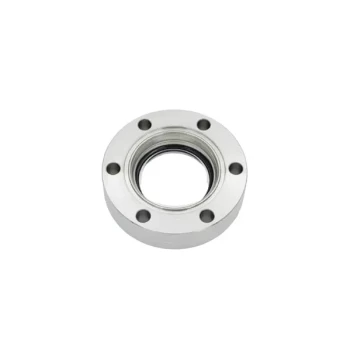
The use of lidded alumina crucibles is mandatory during Li7La3Zr2O12 (LLZO) sintering to physically contain lithium vapor and prevent the material from chemically degrading. By creating a sealed micro-environment, the lid prevents the rapid volatilization of lithium at high temperatures, ensuring the ceramic maintains the correct chemical composition and crystal structure.
Core Takeaway The high sintering temperatures required for LLZO cause lithium to evaporate, leading to a loss of conductivity and the formation of impurities. A lidded crucible acts as a containment chamber that maintains a saturated lithium atmosphere, effectively stopping the sample from "drying out" chemically.
The Chemistry of Lithium Volatility
The Stoichiometric Challenge
LLZO ceramics must be sintered at high temperatures (often >1100°C) to achieve high density. However, lithium is highly volatile under these conditions.
Consequences of Lithium Loss
If lithium escapes the sample, the chemical stoichiometry becomes unbalanced. This loss triggers the formation of impurity phases, specifically La2Zr2O7.
Impact on Performance
The presence of La2Zr2O7 is detrimental because it has significantly lower ionic conductivity than the desired garnet phase. Preserving the lithium content is therefore synonymous with preserving the electrical performance of the electrolyte.
The Role of the Lidded Micro-Environment
Creating a Saturation Chamber
The primary function of the lid is to restrict airflow and trap gases. This creates a closed micro-environment where the partial pressure of lithium vapor can rise to a saturation point.
Inhibiting Evaporation
Once the environment inside the crucible is saturated with lithium vapor, the thermodynamic drive for more lithium to leave the sample is removed. This equilibrium is impossible to achieve in an open system where vapor continuously escapes into the furnace atmosphere.
Mechanical and Chemical Stability
Alumina is chosen as the crucible material because it possesses excellent high-temperature load-bearing capacity. It remains chemically stable during the process, minimizing the risk of the container reacting with the LLZO sample and introducing external contaminants.
Synergy with Bed Powder
The "Sacrificial" Source
While the crucible retains the atmosphere, the bed powder (mother powder) generates it. This powder, usually of the same composition as the sample, surrounds the pellet.
Active Compensation
As the system heats up, the bed powder releases lithium vapor into the micro-environment created by the lidded crucible. This creates a localized, high-concentration lithium atmosphere that effectively "sacrifices" the powder's lithium to protect the dense pellet.
Understanding the Trade-offs
The Limit of Containment
While lidded crucibles drastically reduce lithium loss, they are rarely perfectly hermetic. At extremely long sintering times or excessive temperatures, lithium can still slowly leak out, eventually degrading the sample.
Thermal Lag
A heavy, lidded alumina crucible creates a thermal mass that may slightly insulate the sample. This can result in a lag between the furnace setpoint and the actual sample temperature, requiring careful calibration of heating ramp rates.
Making the Right Choice for Your Goal
To achieve the best results with LLZO sintering, align your setup with your specific requirements:
- If your primary focus is Phase Purity: Ensure you use a liberal amount of mother powder within the lidded crucible to maintain maximum vapor pressure and prevent La2Zr2O7 formation.
- If your primary focus is Density: verify that your crucible lid fits tightly to maintain the internal pressure required to facilitate grain growth without surface degradation.
Success in LLZO sintering depends not just on the temperature, but on rigorously controlling the atmosphere immediately surrounding your sample.
Summary Table:
| Feature | Role in LLZO Sintering | Benefit to Material |
|---|---|---|
| Physical Lid | Creates a sealed micro-environment | Limits lithium vapor escape and prevents 'dry out' |
| Vapor Saturation | Increases partial pressure of Li | Inhibits thermodynamic drive for further evaporation |
| Alumina Material | High-temp chemical stability | Prevents contamination and supports structural integrity |
| Bed Powder Synergy | Provides sacrificial lithium source | Maintains stoichiometry and prevents non-conductive phases |
Elevate Your Solid-State Electrolyte Research with KINTEK
Precise atmospheric control is the difference between high-performance LLZO and failed stoichiometry. KINTEK’s expert-engineered high-temperature furnace systems—including Muffle, Tube, and Vacuum configurations—are designed to provide the thermal stability your research demands.
Backed by industry-leading R&D and manufacturing, we offer fully customizable solutions tailored to the unique needs of advanced battery material synthesis. Whether you are optimizing sintering density or ensuring phase purity, KINTEK delivers the tools for success.
Ready to refine your laboratory’s heat treatment process? Contact our technical specialists today to find the perfect furnace for your LLZO applications.
References
- T. Y. Park, Dong‐Min Kim. Low-Temperature Manufacture of Cubic-Phase Li7La3Zr2O12 Electrolyte for All-Solid-State Batteries by Bed Powder. DOI: 10.3390/cryst14030271
This article is also based on technical information from Kintek Furnace Knowledge Base .
Related Products
- High Temperature Muffle Oven Furnace for Laboratory Debinding and Pre Sintering
- 1400℃ High Temperature Laboratory Tube Furnace with Alumina Tube
- 1400℃ Muffle Oven Furnace for Laboratory
- 1700℃ High Temperature Muffle Oven Furnace for Laboratory
- 1700℃ High Temperature Laboratory Tube Furnace with Alumina Tube
People Also Ask
- What thermal phenomena occur during polymer binder burnout in ceramic green bodies? Lab Furnace Guide
- Why is controlled heat treatment in a muffle furnace necessary for calcined clay? Achieve Optimal Pozzolanic Activity
- What role does a high-temperature muffle furnace play in STFO synthesis? Achieve Pure Perovskite Results
- How does a high-temperature muffle furnace facilitate the formation of LaNbxAl1−xO3+δ perovskite structures? Key Roles
- What role does a high-temperature muffle furnace play in the formation of biochar catalysts? Master Catalyst Synthesis