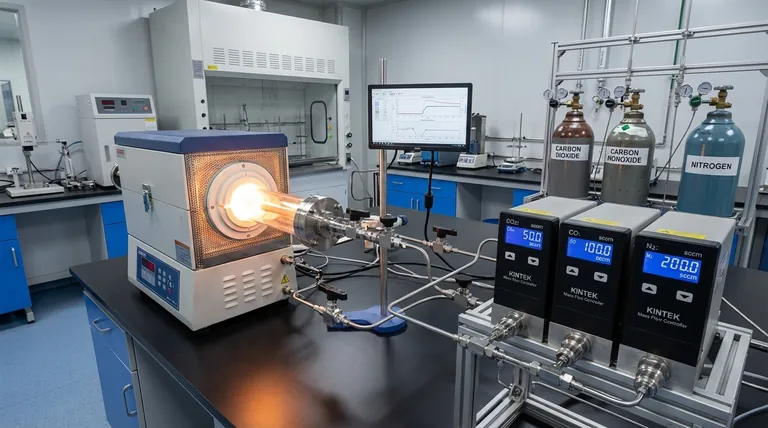
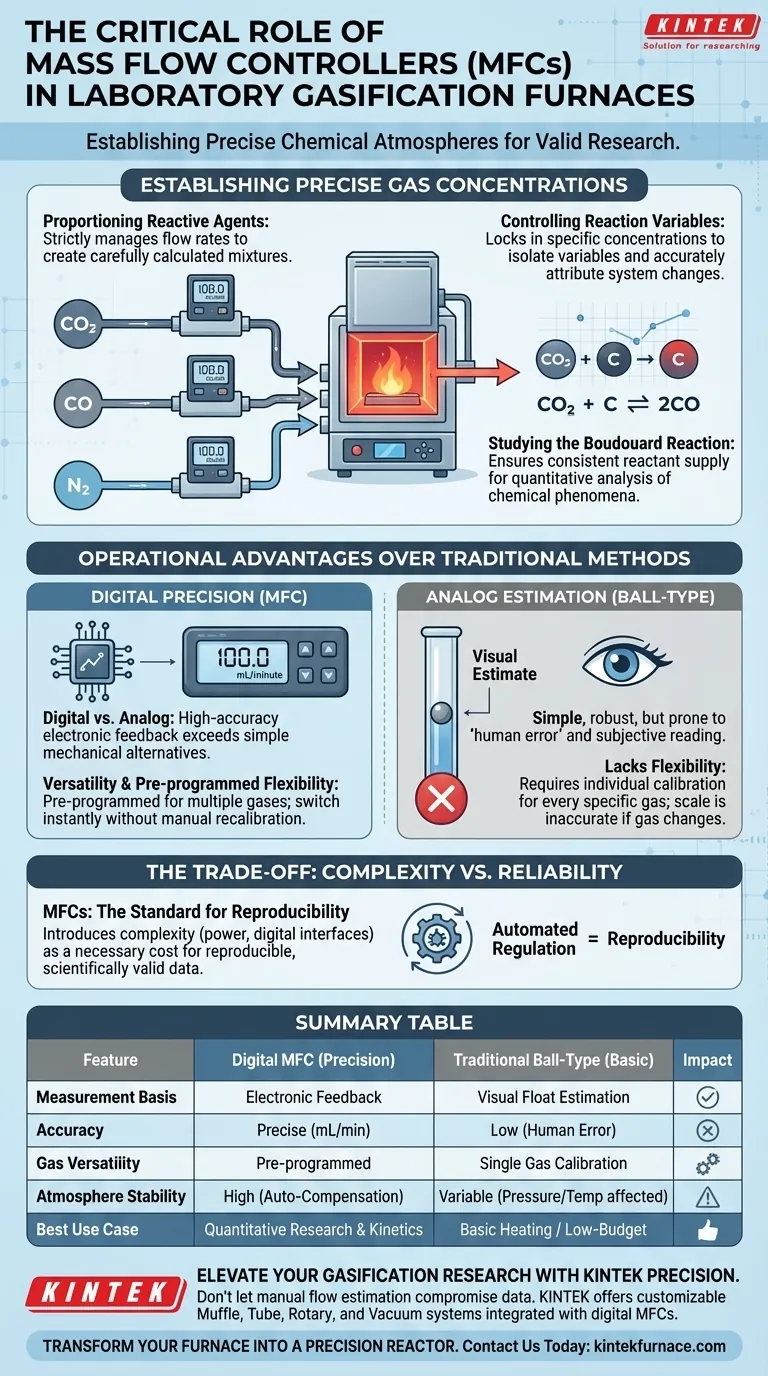
Mass flow controllers (MFCs) serve as the critical regulation mechanism for establishing the precise chemical atmosphere required in laboratory gasification furnaces. By strictly managing the flow rates of gases like carbon dioxide (CO2), carbon monoxide (CO), and nitrogen (N2), these devices allow researchers to dictate the exact gas concentrations entering the reactor with high fidelity.
In gasification studies, the validity of your data hinges on the stability of the reaction environment. MFCs transform variable gas inputs into a stable, reproducible atmosphere, enabling the quantitative analysis of specific reaction kinetics.
Establishing Precise Gas Concentrations
Proportioning Reactive Agents
In a gasification furnace, the atmosphere is rarely a single gas. It is a carefully calculated mixture.
MFCs are utilized to precisely proportion the input of various gases, specifically carbon dioxide, carbon monoxide, and nitrogen. This ensures the reactor receives the exact chemical composition required for the study.
Controlling Reaction Variables
High-precision regulation allows you to lock in specific gas concentrations.
This capability is essential for isolating variables. By maintaining constant concentrations, you can accurately attribute changes in the system to the specific gasifying agents being tested.
Studying the Boudouard Reaction
Precision is particularly critical when analyzing specific chemical phenomena, such as the Boudouard reaction.
This reaction involves the equilibrium between carbon dioxide and carbon monoxide. An MFC allows researchers to quantitatively study the effects of different agents on the Boudouard reaction rate by ensuring the reactant supply is perfectly consistent.
Operational Advantages Over Traditional Methods
Digital Precision vs. Analog Estimation
Digital MFCs offer a level of control that exceeds simple mechanical alternatives, often measuring flow in milliliters per minute (mL/minute).
Unlike ball-type flow meters, which provide a visual estimate, digital controllers manage the input with high-accuracy electronic feedback.
Versatility in the Laboratory
A significant limitation of older flow measurement tools is their lack of flexibility.
Simple ball-type meters must be calibrated individually for every specific gas used. If you switch from Nitrogen to CO2, the physical scale on the meter may no longer be accurate.
Pre-Programmed Flexibility
Digital MFCs overcome this calibration hurdle.
They can be pre-programmed to manage a wide range of gases accurately. This makes them highly practical for laboratories that frequently switch between different gases for various processes without needing to swap out hardware.
The Trade-off: Complexity vs. Reliability
The Cost of Simplicity
While simple ball-type meters are robust and inexpensive, they introduce "human error" into the equation. Reading the float position is subjective, and the lack of automatic compensation for pressure or temperature changes can skew data.
The Standard for Reproducibility
MFCs introduce more complexity to the setup, requiring power and digital interfaces. However, this is the necessary cost for reproducibility.
Without the automated regulation an MFC provides, replicating an experiment with identical atmospheric conditions is nearly impossible. For quantitative research, reliance on manual flow regulation is a significant liability.
Making the Right Choice for Your Goal
To determine how to best utilize flow control in your system, consider your primary experimental objectives:
- If your primary focus is quantitative reaction kinetics: You must use an MFC to lock in specific concentrations of CO2 and CO to accurately measure the Boudouard reaction rate.
- If your primary focus is laboratory versatility: an MFC allows you to switch between N2, CO, and other gases instantly without manually recalibrating flow meters for each new agent.
Ultimately, the mass flow controller transitions your furnace from a simple heating element into a precision reactor capable of generating scientifically valid data.
Summary Table:
| Feature | Digital Mass Flow Controller (MFC) | Traditional Ball-Type Meter |
|---|---|---|
| Measurement Basis | High-precision electronic feedback | Visual float estimation (Manual) |
| Accuracy | Precise (measured in mL/minute) | Low (prone to human error) |
| Gas Versatility | Pre-programmed for multiple gases | Requires individual calibration per gas |
| Atmosphere Stability | High (automatic compensation) | Variable (affected by pressure/temp) |
| Best Use Case | Quantitative reaction kinetics & research | Basic heating or low-budget setups |
Elevate Your Gasification Research with KINTEK Precision
Don't let manual flow estimation compromise your experimental data. At KINTEK, we understand that valid reaction kinetics depend on a stable atmosphere. Backed by expert R&D and manufacturing, we offer high-performance Muffle, Tube, Rotary, Vacuum, and CVD systems, all fully customizable with integrated digital Mass Flow Controllers to meet your unique high-temperature laboratory needs.
Ready to transform your furnace into a precision reactor? Contact us today to discuss your custom furnace specifications!
Visual Guide
References
- Fernando Leo Bueno - CO₂ Gasification of Black Liquor Char under isothermal and dynamic conditions. DOI: 10.26754/jji-i3a.202512148
This article is also based on technical information from Kintek Furnace Knowledge Base .
Related Products
- Multi Heating Zones CVD Tube Furnace Machine for Chemical Vapor Deposition Equipment
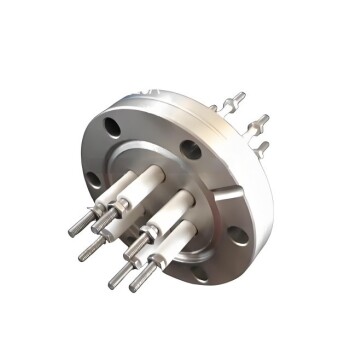
- CF KF Flange Vacuum Electrode Feedthrough Lead Sealing Assembly for Vacuum Systems
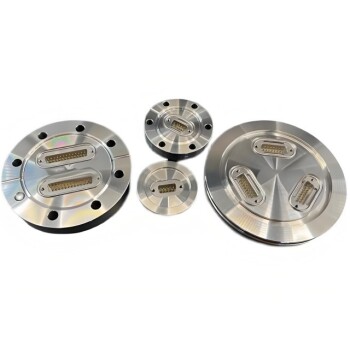
- Ultra-High Vacuum Flange Aviation Plug Glass Sintered Airtight Circular Connector for KF ISO CF
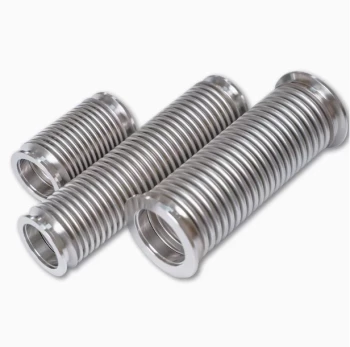
- High Performance Vacuum Bellows for Efficient Connection and Stable Vacuum in Systems
- Multi Zone Laboratory Quartz Tube Furnace Tubular Furnace
People Also Ask
- What is the function of a multi-zone tube furnace in CVD synthesis? Master 2D In2Se3 Nanosheet Precision
- What temperature-related capabilities make multi zone tube furnaces valuable for research? Unlock Precision Thermal Control
- What environmental protection applications utilize multi zone tube furnaces? Unlock Precision in Waste Treatment and Green Tech
- Why are multi zone tube furnaces particularly useful for nanomaterial research? Unlock Precise Thermal Control for Advanced Synthesis
- What role do multi zone tube furnaces play in new energy research? Unlock Precise Thermal Control for Innovation