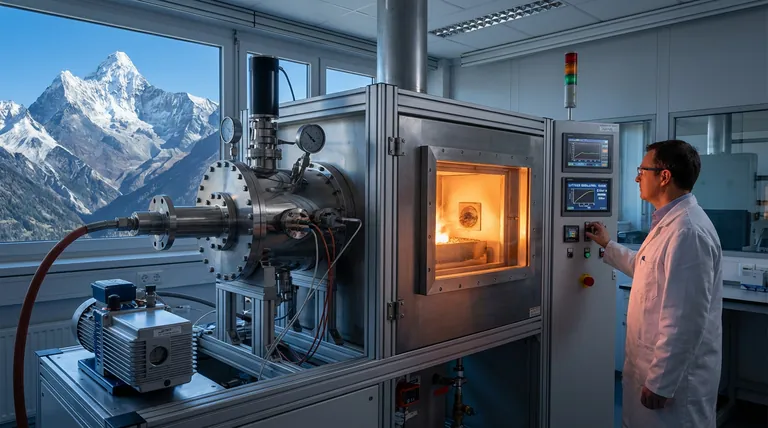
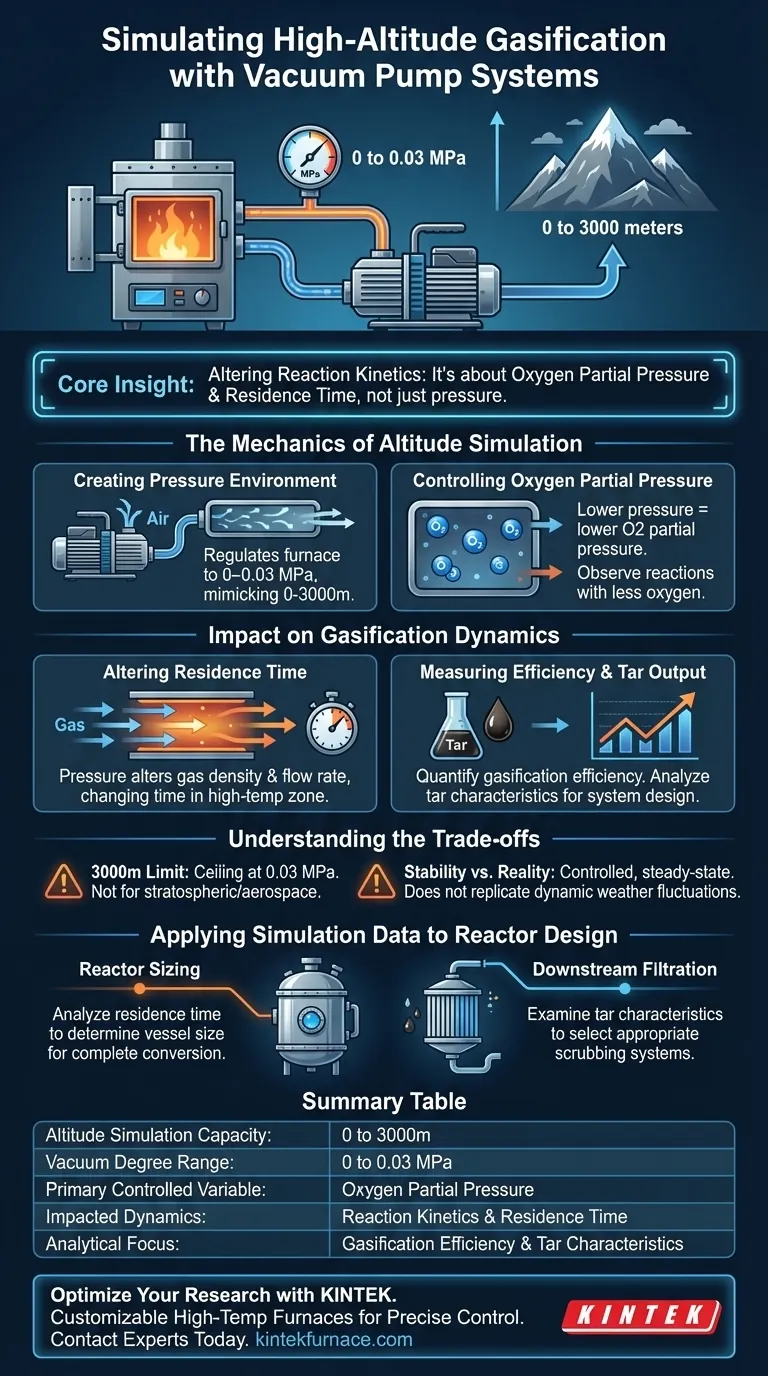
Precise pressure regulation is the mechanism by which a vacuum pump system replicates high-altitude environments for gasification studies. The system actively controls the internal vacuum degree of the furnace, maintaining a range between 0 and 0.03 MPa. This specific pressure window allows researchers to accurately simulate the atmospheric conditions found at altitudes ranging from sea level up to 3000 meters.
Core Insight Simulating altitude is not merely about lowering pressure; it is about altering reaction kinetics. By manipulating the vacuum degree, the system fundamentally changes the oxygen partial pressure and gas residence time, providing critical data on how efficiency and tar production shift in thinner air.
The Mechanics of Altitude Simulation
Creating the Pressure Environment
To mimic high-altitude conditions, the vacuum pump regulates the furnace's internal pressure to match specific "vacuum degrees."
The system operates within a specific window of 0 to 0.03 MPa. This range corresponds to the atmospheric pressure drops experienced between 0 and 3000 meters above sea level.
Controlling Oxygen Partial Pressure
A primary function of the vacuum system is to modify the oxygen partial pressure within the reaction zone.
As the pump lowers the overall pressure to simulate higher altitudes, the partial pressure of oxygen decreases. This allows researchers to observe how fuel reacts when oxygen is less physically available, a critical factor in combustion and gasification efficiency.
Impact on Gasification Dynamics
Altering Residence Time
The vacuum pump directly influences the reaction residence time—the duration reactants remain in the high-temperature zone.
Changes in pressure alter the density and flow rate of the gases passing through the furnace. By adjusting the vacuum degree, researchers can study how these flow dynamic changes impact the conversion of fuel into gas.
Measuring Efficiency and Tar Output
The ultimate goal of this pressure regulation is to quantify changes in gasification efficiency.
Furthermore, the system enables the analysis of tar characteristics. Researchers use the controlled pressure environment to determine if high-altitude conditions lead to higher tar content or different tar compositions, which are critical metrics for system maintenance and longevity.
Understanding the Trade-offs
Simulation Range Limitations
It is important to note that this specific system is calibrated for a ceiling of 3000 meters (0.03 MPa vacuum degree).
While effective for terrestrial high-altitude applications, this setup cannot simulate extreme stratospheric or aerospace environments. It is strictly limited to the operational range defined by the pump's capacity.
Stability vs. Reality
Simulating altitude via a vacuum pump creates a controlled, steady-state low-pressure environment.
However, real-world high-altitude environments may involve fluctuating barometric pressures and temperature variables that a static vacuum setting does not perfectly replicate. The data represents ideal pressure conditions rather than dynamic weather patterns.
Applying Simulation Data to Reactor Design
To maximize the value of high-altitude gasification studies, you must correlate pressure data with specific design parameters.
- If your primary focus is reactor sizing: Analyze the changes in residence time at 0.03 MPa to determine if the reactor vessel needs to be larger to achieve complete conversion at altitude.
- If your primary focus is downstream filtration: Examine the tar characteristics observed at simulated altitudes to select scrubbing systems capable of handling the specific tar composition generated in low-pressure environments.
By isolating pressure as a variable, this system provides the baseline physics required to adapt gasification technology for diverse geographic locations.
Summary Table:
| Parameter | Altitude Simulation Capacity |
|---|---|
| Vacuum Degree Range | 0 to 0.03 MPa |
| Equivalent Altitude | 0 to 3000 meters above sea level |
| Primary Controlled Variable | Oxygen Partial Pressure |
| Impacted Dynamics | Reaction Kinetics & Residence Time |
| Analytical Focus | Gasification Efficiency & Tar Characteristics |
Optimize Your Gasification Research for Any Altitude
Don't let geographic constraints limit your material science. KINTEK provides industry-leading laboratory solutions backed by expert R&D and precision manufacturing. Whether you require Muffle, Tube, Rotary, Vacuum, or CVD systems, our high-temperature furnaces are fully customizable to meet your specific pressure and thermal requirements.
Ready to achieve precise atmospheric control in your lab? Contact KINTEK Experts Today to discuss your unique simulation needs and discover how our advanced furnace technology can enhance your data accuracy.
Visual Guide
References
- Chen Dai, Cai Yu. Characteristics of Low-Temperature Gasification Products from Wheat Straw in a Fluidized Bed Based on Cement Production Process. DOI: 10.3390/en17081943
This article is also based on technical information from Kintek Furnace Knowledge Base .
Related Products
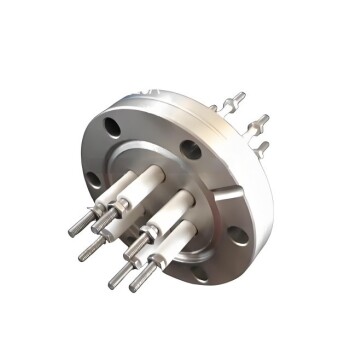
- CF KF Flange Vacuum Electrode Feedthrough Lead Sealing Assembly for Vacuum Systems
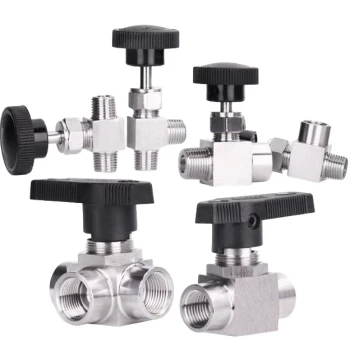
- 304 316 Stainless Steel High Vacuum Ball Stop Valve for Vacuum Systems
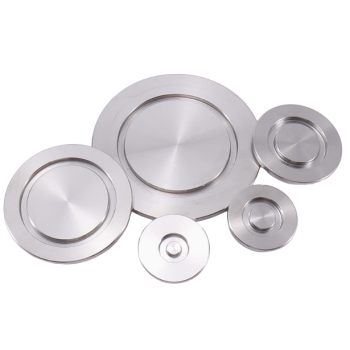
- Stainless Steel KF ISO Vacuum Flange Blind Plate for High Vacuum Systems
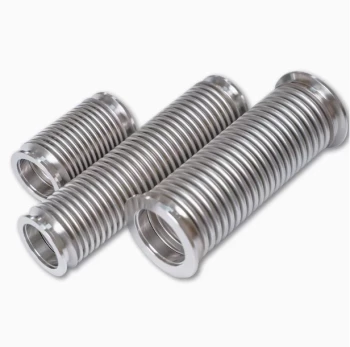
- High Performance Vacuum Bellows for Efficient Connection and Stable Vacuum in Systems
- Vacuum Hot Press Furnace Machine Heated Vacuum Press
People Also Ask
- Why is a vacuum sealing process necessary for the synthesis of TaAs2 single crystals? Ensuring Purity in CVT Method
- Why is a PTFE-lined stainless steel autoclave used for Ni12P5 synthesis? Key Benefits for Nanomaterial Production
- What is the function of PTFE sealing rings in plastic pyrolysis? Ensure Safe, Anaerobic Material Decomposition
- What is the function of a Teflon-lined stainless steel autoclave in the hydrothermal synthesis of Bi2O3 precursors?
- Why is a stainless steel autoclave with a Teflon liner necessary for BiVO4? Ensure Purity & High Performance