A high-performance vacuum pump system is the primary mechanism for preventing chemical degradation during the smelting of AlV55 alloys. Its specific function is to rapidly evacuate the furnace chamber to extremely low pressures, specifically below 5 Pa. By eliminating residual air, the system prevents the oxidation of Aluminum and Vanadium at high temperatures, which is a mandatory requirement for producing aerospace-grade materials.
Core Insight: The production of AlV55 is not merely about melting metals; it is about managing chemical reactivity. The vacuum system serves as an isolation barrier, stripping away oxygen and nitrogen to ensure the final alloy maintains the purity required for critical structural applications.
The Chemistry of Contamination
The Reactivity of Aluminum and Vanadium
Both Aluminum and Vanadium are highly reactive metals, especially when subjected to the intense heat of a smelting furnace. In the presence of standard atmospheric air, these elements will chemically bind with oxygen almost instantly.
The Role of Rapid Evacuation
The vacuum pump system must be high-performance because time is a critical factor. The system must rapidly reduce the chamber pressure to prevent oxidation from occurring during the heating ramp-up phase. Slow evacuation allows a window of opportunity for oxides to form on the surface of the raw materials.
The 5 Pa Threshold
To secure the integrity of the alloy, the vacuum system must achieve a pressure lower than 5 Pa. This specific pressure threshold is necessary to reduce the partial pressure of reactive gases to a level where significant oxidation is thermodynamically unfavorable.
Achieving Aerospace Standards
Controlling Impurity Levels
Aerospace standards demand exceptional material properties, which are directly compromised by impurities. The vacuum process is critical for strictly controlling the levels of oxygen and nitrogen within the alloy matrix.
Eliminating Residual Gases
Beyond surface oxidation, air trapped within the furnace chamber can introduce interstitial defects in the metal. A high-performance pump ensures these residual gases are removed before the melt creates a solution, preserving the alloy's mechanical strength.
Operational Considerations and Trade-offs
Equipment Complexity vs. Purity
While a high-performance system ensures purity, it introduces significant complexity to the manufacturing process. Achieving pressures below 5 Pa requires precise seals and rigorous maintenance, increasing operational overhead compared to standard vacuum systems.
Throughput Limitations
Strict vacuum requirements can create bottlenecks in production. The time required to pump down to <5 Pa and maintain that environment must be balanced against production schedules, often requiring higher-capacity pumps to maintain speed without sacrificing vacuum quality.
Optimizing Your Vacuum Strategy
To ensure your AlV55 production meets the necessary specifications, consider the following strategic priorities:
- If your primary focus is Purity: Prioritize a pump system capable of sustaining pressures significantly lower than 5 Pa to provide a safety margin against micro-leaks or outgassing.
- If your primary focus is Throughput: Invest in high-capacity roughing pumps to minimize the "pump-down" time required to reach the 5 Pa operational threshold.
Ultimately, the vacuum system is not just a peripheral component; it is the defining control variable that distinguishes aerospace-grade AlV55 from unusable scrap.
Summary Table:
| Feature | Requirement for AlV55 | Impact on Material Quality |
|---|---|---|
| Vacuum Pressure | < 5 Pa | Prevents thermodynamically favorable oxidation |
| Evacuation Speed | High/Rapid | Minimizes oxidation during the heating ramp-up |
| Gas Removal | Oxygen & Nitrogen | Eliminates interstitial defects and surface impurities |
| Application | Aerospace Standards | Ensures mechanical strength for critical structures |
Elevate Your Alloy Production with KINTEK
Don't let chemical degradation compromise your material integrity. KINTEK provides industry-leading vacuum solutions designed for the rigorous demands of aerospace-grade manufacturing. Backed by expert R&D and manufacturing, we offer high-performance Vacuum, CVD, and customizable high-temp furnace systems specifically engineered to reach the critical <5 Pa threshold for AlV55 smelting.
Whether you need to optimize for absolute purity or maximum throughput, our technical team is ready to design a system tailored to your unique laboratory or production needs.
Ready to secure your alloy quality? Contact KINTEK today for a customized solution.
References
- Bin Sun, Lanjie Li. Study on Al Evaporation during AlV55 Melting and Alloy Preparation. DOI: 10.3390/met14040466
This article is also based on technical information from Kintek Furnace Knowledge Base .
Related Products
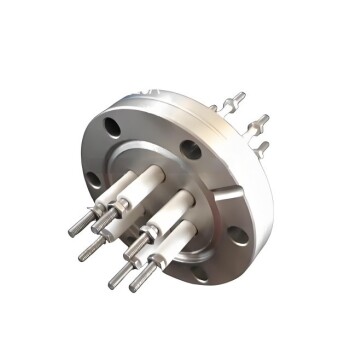
- CF KF Flange Vacuum Electrode Feedthrough Lead Sealing Assembly for Vacuum Systems
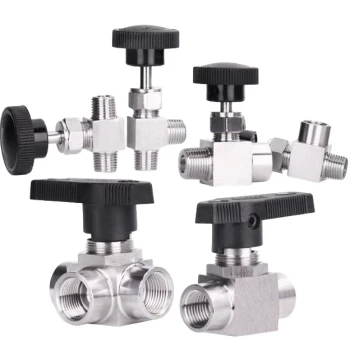
- 304 316 Stainless Steel High Vacuum Ball Stop Valve for Vacuum Systems
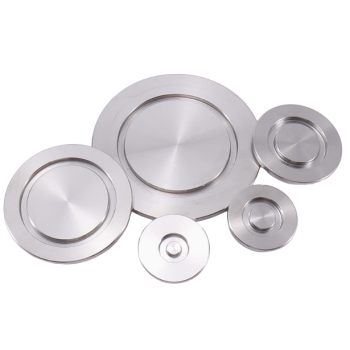
- Stainless Steel KF ISO Vacuum Flange Blind Plate for High Vacuum Systems
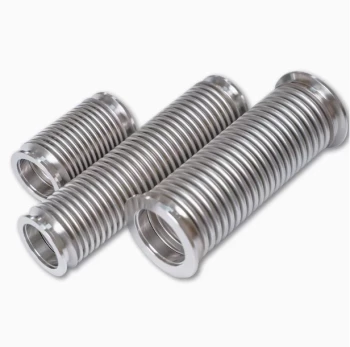
- High Performance Vacuum Bellows for Efficient Connection and Stable Vacuum in Systems
- Vacuum Hot Press Furnace Machine Heated Vacuum Press
People Also Ask
- Why is a vacuum sealing process necessary for the synthesis of TaAs2 single crystals? Ensuring Purity in CVT Method
- Why is a PTFE-lined stainless steel autoclave used for Ni12P5 synthesis? Key Benefits for Nanomaterial Production
- What is the function of PTFE sealing rings in plastic pyrolysis? Ensure Safe, Anaerobic Material Decomposition
- What is the function of a Teflon-lined stainless steel autoclave in the hydrothermal synthesis of Bi2O3 precursors?
- Why is a stainless steel autoclave with a Teflon liner necessary for BiVO4? Ensure Purity & High Performance