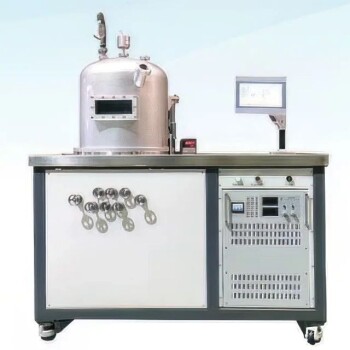
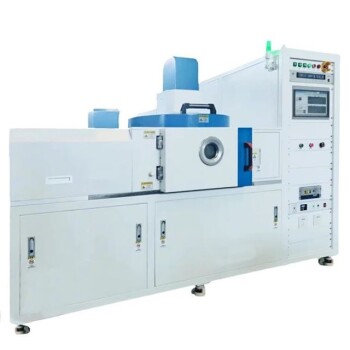
The primary function of a Liquid Source Chemical Vapor Deposition (LSCVD) system in this context is to synthesize the high-purity carbon nanotubes (CNTs) that serve as the conductive filler for the composite material. By employing a liquid catalyst and a specialized furnace, the system facilitates the directional growth of vertically aligned, carpet-like nanotubes rather than disordered structures.
The LSCVD system acts as the foundational manufacturing engine for the composite's conductive element. It transforms liquid precursors into highly structured carbon nanotubes through precise temperature and flow controls, ensuring the filler material meets the strict purity and alignment standards required for high-performance biodegradable composites.
The Mechanics of LSCVD Synthesis
The Three-Zone Furnace Architecture
The core of the LSCVD system is a three-zone electric furnace. This component allows for distinct thermal regulation across different stages of the synthesis process.
By maintaining specific temperatures in each zone, the system ensures optimal conditions for precursor breakdown and nanotube nucleation.
Liquid Catalyst Delivery
Unlike standard gas-phase systems, this equipment utilizes a liquid catalyst feeding system. This allows for the introduction of specific catalyst precursors necessary for initiating nanotube growth.
A carrier gas source transports these volatilized catalysts and carbon sources into the reaction chamber.
Controlling Nanotube Morphology
Achieving Directional Alignment
The defining capability of this LSCVD configuration is the production of "carpet-like" carbon nanotubes.
Rather than growing randomly, the nanotubes grow vertically aligned. This directional growth is critical for maximizing the electrical conductivity of the final polymer composite.
Parameter Optimization
Operators can fine-tune the physical properties of the nanotubes by adjusting process variables.
Key parameters include the reaction temperature, the concentration of the liquid catalyst, and the flow rates of the carrier gas. These adjustments directly dictate the purity and structural integrity of the resulting conductive fillers.
Understanding the Trade-offs
Sensitivity to Variables
While the system offers high precision, it requires exacting control over multiple variables simultaneously.
Slight deviations in gas flow rates or temperature zones can disrupt the vertical alignment of the CNTs. Loss of alignment can significantly degrade the conductive performance of the final composite.
Complexity of Operation
The multi-zone setup introduces complexity compared to single-zone furnaces.
Successful synthesis relies on balancing the evaporation rate of the liquid source with the thermal profile of the three distinct zones.
Making the Right Choice for Your Goal
To maximize the effectiveness of the LSCVD system for your composite preparation, consider the following technical priorities:
- If your primary focus is Electrical Conductivity: Prioritize the optimization of gas flow rates and catalyst concentration to ensure the growth of dense, vertically aligned nanotube "carpets."
- If your primary focus is Material Purity: Focus on the precise calibration of the three-zone furnace temperatures to prevent the formation of amorphous carbon byproducts.
Mastering the LSCVD parameters allows you to engineer the perfect conductive backbone for your biodegradable polymer applications.
Summary Table:
| Feature | LSCVD System Function & Impact |
|---|---|
| Core Architecture | Three-zone furnace for distinct thermal regulation and precursor breakdown |
| Catalyst Method | Liquid precursor feeding for uniform, high-purity nanotube nucleation |
| CNT Morphology | Produces vertically aligned "carpet-like" structures for peak conductivity |
| Control Factors | Temperature, catalyst concentration, and carrier gas flow rates |
| Primary Goal | High-purity conductive filler for biodegradable polymer composites |
Elevate Your Material Research with KINTEK
Unlock the full potential of your composite development with precision-engineered LSCVD solutions. KINTEK provides industry-leading CVD systems, Tube furnaces, and customizable high-temp lab equipment designed to meet the rigorous demands of carbon nanotube synthesis.
Backed by expert R&D and world-class manufacturing, our systems offer the thermal stability and flow control necessary for vertical alignment and high-purity results. Whether you are developing biodegradable electronics or advanced polymer fillers, our team can tailor a system to your unique research needs.
Ready to optimize your synthesis process? Contact KINTEK today to speak with a technical specialist!
References
- Łukasz Pietrzak, Łukasz Szymański. The Electromagnetic Shielding Properties of Biodegradable Carbon Nanotube–Polymer Composites. DOI: 10.3390/electronics13112169
This article is also based on technical information from Kintek Furnace Knowledge Base .
Related Products
- HFCVD Machine System Equipment for Drawing Die Nano Diamond Coating
- Slide PECVD Tube Furnace with Liquid Gasifier PECVD Machine
- RF PECVD System Radio Frequency Plasma Enhanced Chemical Vapor Deposition
- Custom Made Versatile CVD Tube Furnace Chemical Vapor Deposition CVD Equipment Machine
- 915MHz MPCVD Diamond Machine Microwave Plasma Chemical Vapor Deposition System Reactor
People Also Ask
- What is Hot-filament Chemical Vapor Deposition (HFCVD)? Achieve High-Quality Thin Films with Precision Control
- What are the equipment for chemical vapor deposition? A Guide to the 5 Essential Components
- What is the significance of the vacuum pressure control system in the CVD coating process for powders?
- What is the function of high-purity Argon (Ar) gas during CVD? Optimize Your Thin Film Uniformity and Purity
- What are the advantages of using Chemical Vapor Deposition (CVD) for coating turbine blades? Enhance Life & Performance