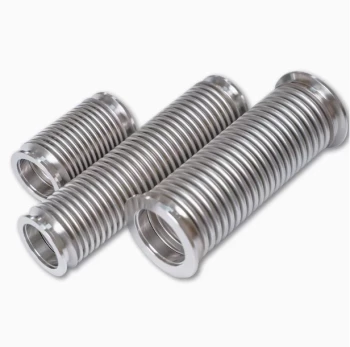
High-purity quartz tubes function as far more than simple containment vessels; they are active participants in the chemical reaction. In the synthesis of microporous uranyl silicates, these tubes provide the necessary thermal resistance to withstand temperatures exceeding 800°C while simultaneously acting as the primary source of silicon for crystal growth. This dual functionality streamlines the synthesis process by integrating the reactant source directly into the vessel structure.
The definitive advantage of high-purity quartz in this context is its role as an "active vessel." By allowing the reaction flux to slowly erode the tube's inner wall, the vessel releases silicon at a controlled rate, facilitating precise crystal growth in harsh molten salt environments.
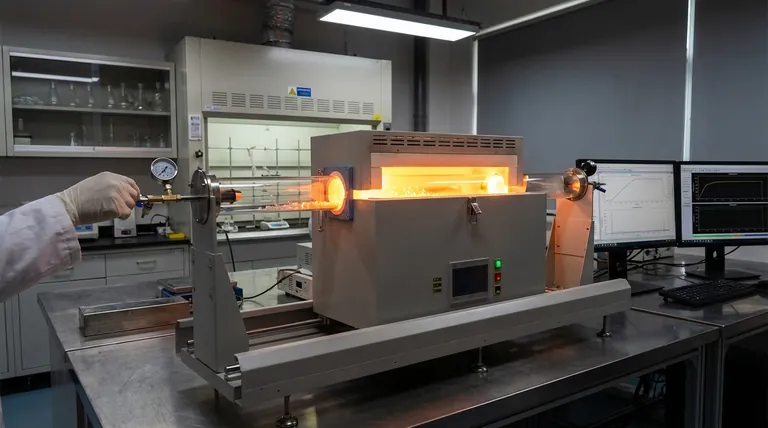
The Mechanics of Active Flux Synthesis
The Dual-Purpose Advantage
In specialized active flux synthesis, the quartz tube serves two distinct roles simultaneously.
First, it acts as a robust physical container capable of holding molten salts. Second, and unique to this method, it acts as the chemical silicon source required to form the silicate structure.
Controlled Reactant Release
The synthesis process relies on the slow erosion of the quartz material.
Under controlled temperature and pressure, the flux within the tube gradually dissolves the inner wall. This mechanism releases silicon elements into the mixture at a steady rate, which is critical for the organized growth of target crystals.
Physical Stability in Harsh Environments
Extreme High-Temperature Resistance
The synthesis of uranyl silicates often requires molten salt environments that would destroy lesser materials.
High-purity quartz tubes offer exceptional thermal resistance, maintaining their structural integrity at temperatures exceeding 800°C. Supplementary data indicates these tubes can remain stable in experimental environments reaching up to 900°C.
Thermal Shock Stability
Synthesis processes often involve temperature fluctuations that can cause brittle materials to crack.
Industrial-grade high-purity quartz is designed to withstand frequent temperature changes without fracturing. This thermal shock stability ensures the experiment is not compromised during heating or cooling cycles.
Chemical Inertness to Contaminants
While the quartz intentionally reacts with the flux to provide silicon, it remains inert to other potential contaminants.
It does not react chemically with corrosive flue gases or combustion byproducts. This ensures that the purity of the final uranyl silicate crystals is not compromised by foreign elements leaching from the vessel structure (other than the intended silicon).
Understanding the Trade-offs
Erosion vs. Integrity
The very feature that makes these tubes useful—the erosion of the inner wall—is also a potential failure point.
Because the tube walls are being consumed to provide silicon, the structural integrity of the vessel decreases over time. If the erosion is not perfectly calculated against the wall thickness, the tube may fail before the synthesis is complete.
Complexity of Stoichiometry
Using the vessel as a reactant source introduces variables in chemical measurements.
Unlike adding a weighed amount of silicon powder, relying on wall erosion requires precise control of temperature and pressure to estimate the amount of silicon released. Inaccurate environmental control can lead to insufficient or excessive silicon in the final product.
Making the Right Choice for Your Goal
To maximize the effectiveness of high-purity quartz tubes in your synthesis, align your approach with your specific experimental needs:
- If your primary focus is Crystal Quality: Prioritize precise temperature and pressure regulation to control the rate of wall erosion, ensuring a slow, steady release of silicon for optimal crystal lattice formation.
- If your primary focus is Safety and Containment: Ensure your operating temperatures remain well within the 800°C to 900°C range and monitor the tube wall thickness to prevent structural failure during prolonged reactions.
By leveraging the quartz tube as an active reagent, you transform the vessel from a passive container into a critical component of the synthesis engine.
Summary Table:
| Feature | Advantage in Synthesis | Benefit to Research |
|---|---|---|
| Dual-Purpose Role | Acts as both container and silicon source | Streamlines synthesis and eliminates extra reagents |
| Controlled Erosion | Gradual release of silicon from inner walls | Facilitates precise, organized crystal growth |
| Thermal Resistance | Withstands temperatures > 800°C | Maintains integrity in harsh molten salt environments |
| Chemical Purity | Inert to external contaminants | Ensures high-purity final products without leaching |
| Thermal Shock Stability | Resists cracking during temperature shifts | Protects experiment during heating/cooling cycles |
Elevate Your Research with Precision Synthesis Solutions
Maximize your experimental success by choosing the right high-temperature environments for your specialized synthesis. Backed by expert R&D and manufacturing, KINTEK offers a comprehensive range of Muffle, Tube, Rotary, Vacuum, and CVD systems, alongside premium lab high-temp furnaces—all fully customizable to meet your unique chemical and thermal requirements.
Whether you are performing active flux synthesis or advanced material processing, our systems provide the stability and control your work demands. Contact KINTEK today to consult with our experts and find the perfect high-temperature solution for your lab!
Visual Guide

References
- Еvgeny V. Nazarchuk, Dmitri O. Charkin. A novel microporous uranyl silicate prepared by high temperature flux technique. DOI: 10.1515/zkri-2024-0121
This article is also based on technical information from Kintek Furnace Knowledge Base .
Related Products
- High Pressure Laboratory Vacuum Tube Furnace
- Vertical Laboratory Quartz Tube Furnace Tubular Furnace
- 1200℃ Split Tube Furnace Laboratory Quartz Tube Furnace with Quartz Tube
- Magnesium Extraction and Purification Condensing Tube Furnace
- Multi Zone Laboratory Quartz Tube Furnace Tubular Furnace
People Also Ask
- What role does a high vacuum tube furnace play in Co-Al sintering? Master High-Purity Porous Material Synthesis
- What are the different types of tube furnaces available? Find the Perfect Fit for Your Lab's Needs
- What are the main advantages of vacuum tube furnaces in the market? Achieve Purity and Precision in Material Processing
- What is the role of a vacuum tube furnace during the final thermal treatment stage of Fe3O4@CSAC catalysts?
- What role does a laboratory tube furnace play in geological and mineralogical research? Unlock Earth's Secrets with Precision