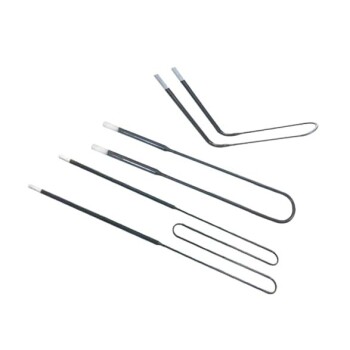
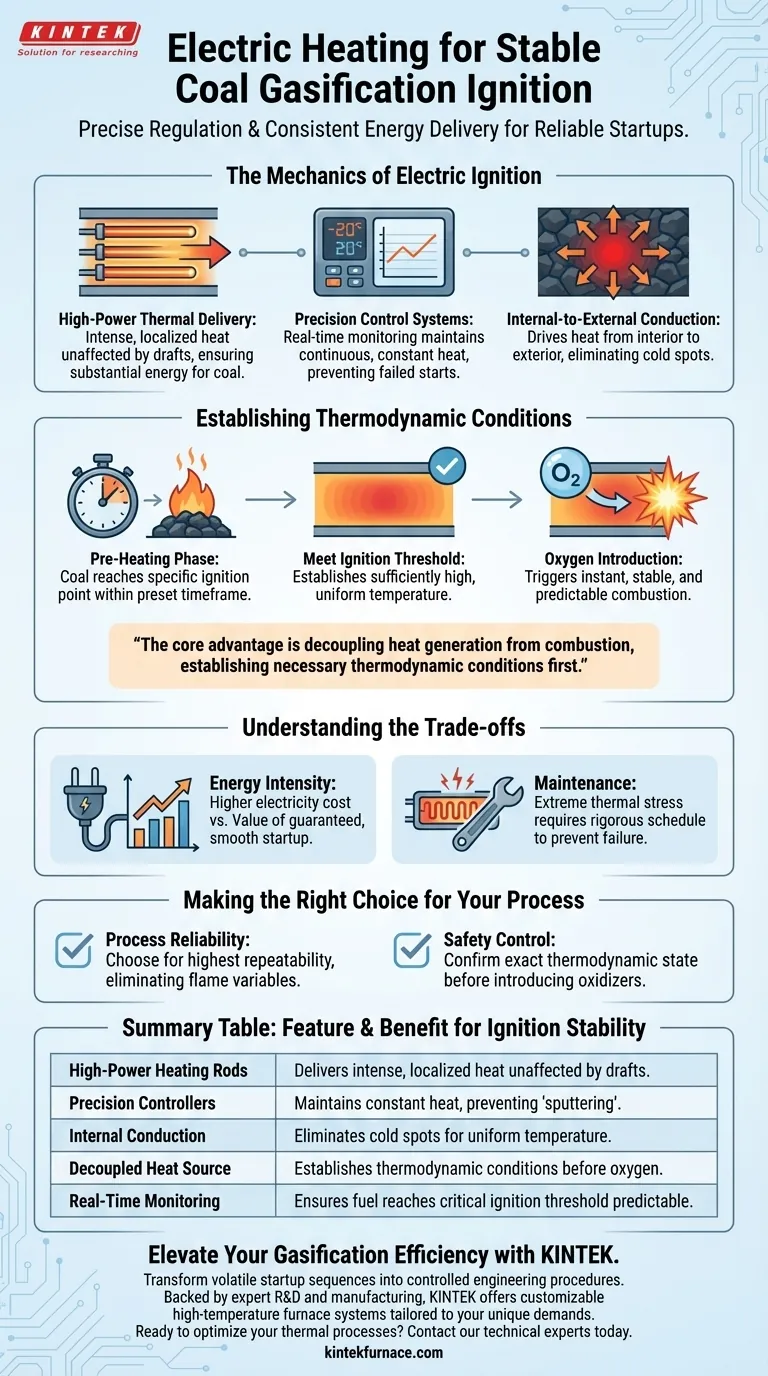
Electric heating ensures stable ignition through precise thermal regulation and consistent energy delivery. By utilizing high-power heating rods managed by advanced temperature controllers, the system generates a continuous, constant heat source directly within the gasification channels. This setup guarantees that the coal reaches its critical ignition temperature via steady internal-to-external conduction before oxygen is introduced to trigger the reaction.
The core advantage of an electric ignition system is the decoupling of heat generation from combustion. It establishes the necessary thermodynamic conditions first, ensuring that when oxygen is finally introduced, the chemical reaction is immediate, stable, and predictable.
The Mechanics of Electric Ignition
High-Power Thermal Delivery
The foundation of this system lies in the use of high-power heating rods. These components are embedded within the gasification channels to provide the substantial energy required to heat a dense mass of coal. Unlike pilot flames, these rods deliver a localized and intense thermal load that is not susceptible to drafts or pressure fluctuations.
Precision Control Systems
Raw power is ineffective without regulation. The heating rods are paired with precise temperature controllers that monitor the thermal environment in real-time. This ensures the heat source remains continuous and constant, preventing temperature dips that could lead to a failed or "sputtering" ignition.
Internal-to-External Conduction
Stability is achieved through the direction of heat transfer. The system is configured to drive steady heat conduction from the interior of the coal bed toward the exterior. This prevents the formation of cold spots in the core, which are a common cause of unstable gasification during the startup phase.
Establishing Thermodynamic Conditions
Meeting the Ignition Threshold
The primary goal of the pre-heating phase is to bring the coal to its specific ignition point. The electric system allows operators to achieve this within a preset timeframe. This predictability is essential for synchronizing the ignition process with other plant operations.
The Role of Oxygen Introduction
The electric system prepares the environment, but does not trigger the reaction on its own. It creates the necessary thermodynamic conditions—specifically, a sufficiently high and uniform temperature. Once this thermal baseline is established, oxygen is introduced, causing the pre-heated coal to react instantly and maintain stable combustion.
Understanding the Trade-offs
Energy Intensity
While highly stable, electric heating can be energy-intensive compared to auxiliary fuel burners. Operators must weigh the cost of electricity against the value of a guaranteed, smooth startup.
Maintenance of Heating Elements
Heating rods are subjected to extreme thermal stress and potential chemical corrosion inside the gasifier. This requires a rigorous maintenance schedule to ensure the rods do not fail midway through the ignition sequence.
Making the Right Choice for Your Process
To determine if an electric heating system fits your gasification requirements, consider your operational priorities:
- If your primary focus is process reliability: The electric system offers the highest level of repeatability, eliminating the variables associated with flame-based ignition.
- If your primary focus is safety control: Precise temperature controllers allow you to confirm the fuel is at the exact thermodynamic state required before introducing oxidizers.
By standardizing the thermal environment prior to combustion, electric ignition transforms a volatile startup process into a controlled engineering procedure.
Summary Table:
| Feature | Benefit for Ignition Stability |
|---|---|
| High-Power Heating Rods | Delivers intense, localized heat unaffected by drafts or pressure. |
| Precision Controllers | Maintains a constant heat source to prevent "sputtering" or failed starts. |
| Internal Conduction | Eliminates cold spots in the coal bed for uniform temperature distribution. |
| Decoupled Heat Source | Establishes thermodynamic conditions before oxygen is introduced for instant reaction. |
| Real-Time Monitoring | Ensures the fuel reaches the critical ignition threshold predictably. |
Elevate Your Gasification Efficiency with KINTEK
Unstable ignition leads to costly downtime and safety risks. At KINTEK, we provide the specialized thermal expertise required to transform volatile startup sequences into controlled, repeatable engineering procedures.
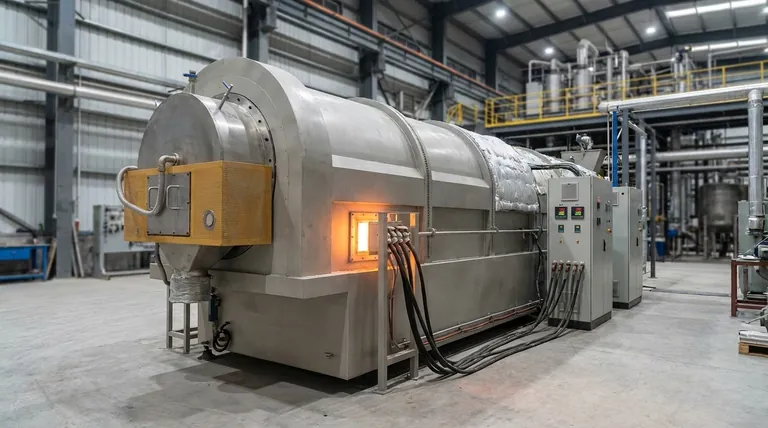
Backed by expert R&D and manufacturing, KINTEK offers customizable high-temperature furnace systems—including Muffle, Tube, Rotary, Vacuum, and CVD systems—tailored to meet the unique thermodynamic demands of your laboratory or industrial application. Our precision heating solutions ensure your materials reach exact temperature thresholds with unmatched consistency.
Ready to optimize your thermal processes? Contact our technical experts today to discuss your custom heating requirements!
Visual Guide
References
- Lele Feng, Jiaxuan Sun. H2 production in underground coal gasification with pretreatment by non-focusing microwave. DOI: 10.3389/fchem.2025.1586267
This article is also based on technical information from Kintek Furnace Knowledge Base .
Related Products
- Molybdenum Disilicide MoSi2 Thermal Heating Elements for Electric Furnace
- Silicon Carbide SiC Thermal Heating Elements for Electric Furnace
- Electric Rotary Kiln Continuous Working Small Rotary Furnace Kiln for Pyrolysis Plant Heating
- Electric Rotary Kiln Pyrolysis Furnace Plant Machine Small Rotary Kiln Calciner
- Electric Rotary Kiln Small Rotary Furnace for Activated Carbon Regeneration
People Also Ask
- What are the typical application temperatures for molybdenum disilicide (MoSi2) heating elements? Master High-Temp Performance
- What is the primary use of molybdenum disilicide? Ideal for High-Temp Heating Elements
- What are the characteristics of molybdenum disilicide heating elements? Unlock High-Temp Performance
- What are the properties of molybdenum disilicide (MoSi2) that make it suitable for high-temperature applications? Discover Its High-Temp Resilience
- What are the applications of molybdenum disilicide heating elements? Achieve Extreme Heat Stability for Industrial Processes