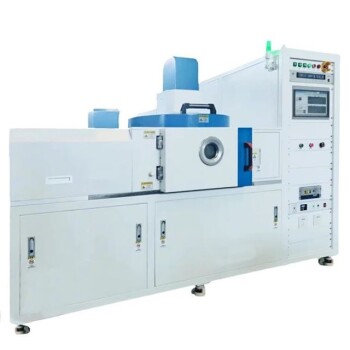
A vacuum impregnation system is strictly necessary for fabricating Cf-ZrB2-SiC composites because it provides the active force required to drive ceramic slurry into the microscopic gaps within carbon fiber bundles. Unlike simple dipping or soaking, this process utilizes pressure differentials to overcome the natural resistance of the fabric, ensuring the matrix material fully penetrates the fiber architecture.
The primary function of this system is to eliminate trapped air and force the ceramic matrix into the fiber bundles, thereby reducing internal porosity and guaranteeing the interfacial bonding strength required for high-performance composites.
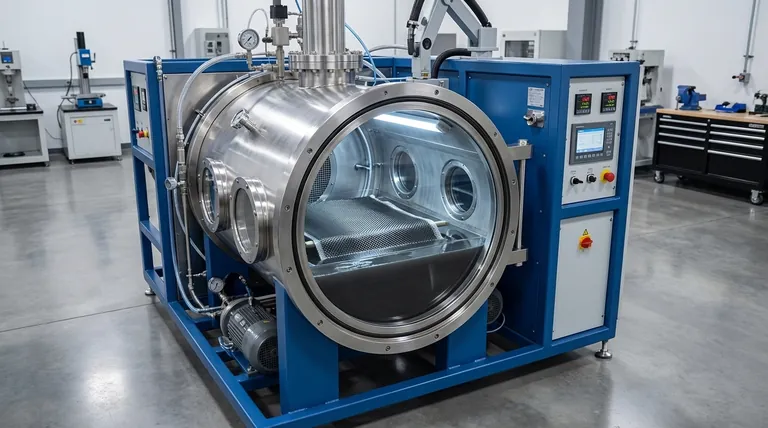
The Mechanics of Effective Infiltration
Overcoming Physical Barriers
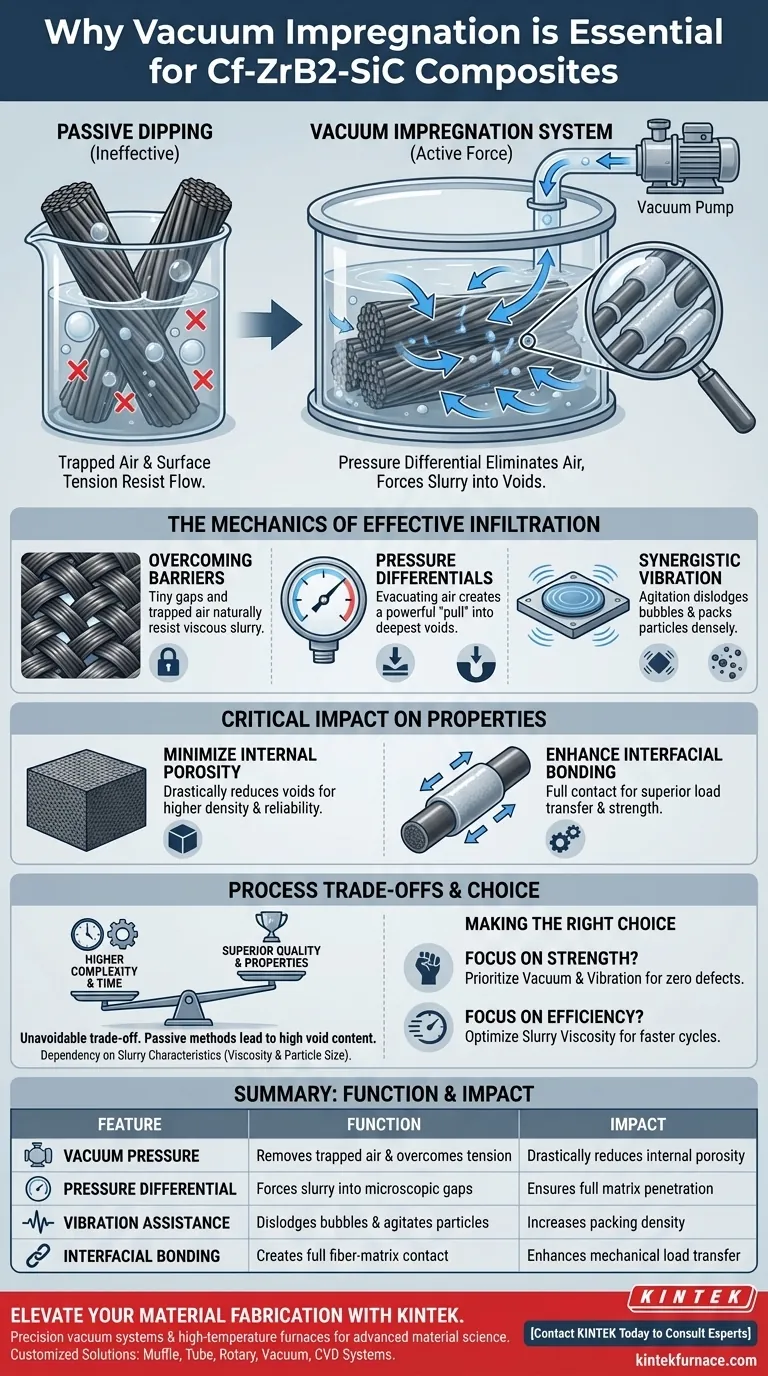
Carbon fiber fabrics consist of tightly woven bundles containing thousands of individual filaments. These bundles create tiny, intricate gaps that naturally resist the penetration of viscous ceramic slurries due to surface tension and trapped air.
The Role of Pressure Differentials
A vacuum impregnation system solves this by creating a pressure differential. By evacuating the air from the chamber, the system removes the atmospheric resistance inside the fabric, effectively "pulling" the slurry into the deepest voids of the fiber architecture.
Synergistic Vibration
To maximize efficiency, these systems often combine vacuum pressure with vibration-assisted functions. While the vacuum pulls the slurry in, the vibration agitates the mixture, helping to dislodge stubborn air bubbles and allowing ceramic particles to settle more densely into the fiber gaps.
Critical Impact on Material Properties
Minimizing Internal Porosity
The most significant threat to composite integrity is porosity—voids where the matrix failed to penetrate. Vacuum impregnation is the most effective method for drastically reducing internal porosity, which directly correlates to the composite's final density and structural reliability.
Enhancing Interfacial Bonding
For a composite to act as a single unit, the load must transfer effectively between the fibers and the ceramic matrix. By ensuring the slurry fully coats individual fibers rather than just the surface of the bundle, the system creates the necessary contact area for strong interfacial bonding strength.
Understanding the Process Trade-offs
Complexity vs. Quality
Using a vacuum impregnation system adds complexity and time to the fabrication process compared to ambient pressure infiltration. However, this trade-off is unavoidable; relying on passive infiltration methods will almost invariably result in a material with high void content and poor mechanical properties.
Dependency on Slurry Characteristics
While the vacuum system is powerful, it is not a cure-all for poorly prepared materials. The efficacy of the impregnation is still dependent on the viscosity and particle size of the ceramic slurry; if the slurry is too thick, even high vacuum may fail to achieve full penetration.
Making the Right Choice for Your Goal
To ensure you are utilizing this process effectively, consider your specific performance requirements:
- If your primary focus is mechanical strength: Prioritize the combination of vacuum and vibration to minimize every possible micro-void, as these are the initiation points for cracks.
- If your primary focus is process efficiency: Optimize the slurry viscosity to match your vacuum capabilities, ensuring the fluid flows easily into the fiber bundles without requiring excessive cycle times.
Successful fabrication relies on the understanding that vacuum impregnation is not just a dipping step, but a forced integration of two distinct materials.
Summary Table:
| Feature | Function in Cf-ZrB2-SiC Fabrication | Impact on Final Composite |
|---|---|---|
| Vacuum Pressure | Removes trapped air and overcomes surface tension | Drastically reduces internal porosity |
| Pressure Differential | Forces ceramic slurry into microscopic fiber gaps | Ensures full matrix penetration |
| Vibration Assistance | Dislodges air bubbles and agitates particles | Increases packing density of the matrix |
| Interfacial Bonding | Creates full contact between fiber and matrix | Enhances mechanical load transfer |
Elevate Your Material Fabrication with KINTEK
Precision in composite manufacturing starts with superior thermal and pressure control. KINTEK provides high-performance vacuum systems and high-temperature furnaces designed to meet the rigorous demands of advanced material science. Backed by expert R&D and manufacturing, we offer Muffle, Tube, Rotary, Vacuum, and CVD systems, all fully customizable for your unique research or production needs.
Whether you are refining Cf-ZrB2-SiC composites or developing next-generation ceramics, our engineers are ready to help you optimize your process and achieve zero-defect results.
Contact KINTEK Today to Consult with our Experts
Visual Guide
References
- Sirui Gong, Yukui Wang. Methodology for Surface Reconstruction and Prediction Based on the Electrical Discharge Machining Removal Mechanism of Cf-UHTC Materials. DOI: 10.3390/ma18020371
This article is also based on technical information from Kintek Furnace Knowledge Base .
Related Products
- Vacuum Induction Melting Furnace
- Vacuum Hot Press Furnace Machine for Lamination and Heating
- Vacuum Heat Treat Sintering Furnace with Pressure for Vacuum Sintering
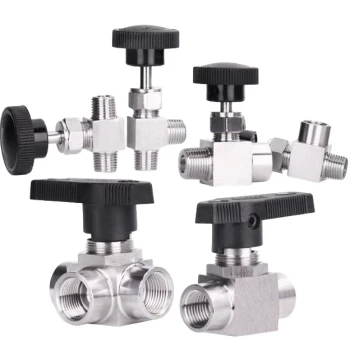
- 304 316 Stainless Steel High Vacuum Ball Stop Valve for Vacuum Systems
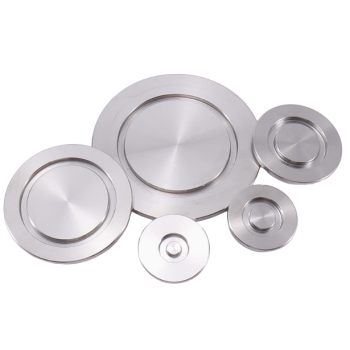
- Stainless Steel KF ISO Vacuum Flange Blind Plate for High Vacuum Systems
People Also Ask
- What are the core functions of the High Vacuum Induction Melting (VIM) furnace? Optimize DD5 Superalloy Purification
- What role does a Vacuum Induction Melting furnace play in the production of high-aluminum nickel-based superalloys?
- What is the role of VIM and directional solidification in aero-engine blade substrates? Engineering Extreme Durability
- Why is a Vacuum Induction Melting furnace (VIM) used for Cu-Zn-Al-Sn alloys? Achieve Precision Composition Control
- What are the advantages of using a VIM furnace to control residual oxygen pressure? Achieve Superior Metal Uniformity