The high-temperature electric heating activation furnace is the critical tool for transforming a stable carbon skeleton into a high-performance adsorbent. While initial carbonization (pre-carbonization) merely removes volatiles to form a basic structural foundation, high-temperature activation (typically 500°C–700°C) triggers thermochemical reactions that etch the carbon surface and clear blocked pores. This process drastically increases the specific surface area and creates the dense microporous network necessary for trapping complex pollutants.
Carbonization provides the structural "skeleton," but high-temperature activation is the essential process that "unlocks" adsorption capacity through chemical etching and pore clearance. This stage is what determines the final material's ability to filter specific pollutants like methylene blue, pharmaceutical residues, or heavy metals.
Moving Beyond the Skeleton: The Role of Thermochemical Etching
Clearing Residual Impurities
During initial carbonization, organic materials are broken down, but the resulting pores are often clogged with residual tars and carbonized impurities. High-temperature activation provides the thermal energy required to trigger reactions that clear these obstructions, effectively "opening" the internal pathways of the material.
Precision Chemical Etching
Unlike simple heating, the activation furnace facilitates a reaction between an activating agent (like KOH or CO2) and the carbon precursor. This process chemically etches the carbon structure, creating a highly developed microporous network that is significantly more complex than the basic frame produced during carbonization.
Structural Rearrangement
At temperatures between 500°C and 700°C, the carbon atoms undergo a structural rearrangement. This controlled pyrolysis ensures that the carbon skeleton becomes more rigid and stable while simultaneously increasing the active sites available for charge storage or chemical bonding.
Enhancing Surface Area and Adsorption Capacity
Maximizing Specific Surface Area
The primary advantage of the activation furnace is the exponential increase in Specific Surface Area (SSA). While carbonized biomass has limited surface exposure, optimized activation can produce materials with surface areas reaching 731 m²/g or higher, providing more "room" for pollutants to be trapped.
Targeted Pollutant Adsorption
The precise thermal environment of an electric furnace allows for the customization of pore sizes to target specific molecules. This is why activated carbon is far superior to carbonized char for removing substances like methylene blue, paracetamol, and diesel residues.
Uniformity of the Reaction Atmosphere
Advanced tubular or muffle furnaces ensure that activation gases flow evenly over the sample at constant rates. This uniform thermal field prevents localized under-activation, ensuring that every grain of carbon achieves its maximum potential adsorption capacity.
Understanding the Trade-offs and Pitfalls
The Risk of Sintering and Pore Collapse
Temperature management is a delicate balance; if the furnace exceeds the optimal range (often around 700°C-850°C depending on the agent), sintering may occur. This causes the newly formed micropores to collapse or fuse, significantly reducing the material's surface area and effectiveness.
Carbon Yield vs. Porosity
There is an inverse relationship between the intensity of the activation and the final mass of the product. While higher temperatures and longer activation times create more pores, they also consume more of the carbon precursor, leading to a lower carbon yield that must be balanced against the desired adsorption performance.
Heating Rate Sensitivity
Using an unstable heating rate can lead to non-uniform pore development. A stable, programmable heating rate (e.g., 5°C/min to 10°C/min) is required to ensure the volatiles are released gradually, preventing structural cracks that could weaken the mechanical integrity of the activated carbon.
Making the Right Choice for Your Goal
How to Apply This to Your Project
To achieve the best results, your furnace settings must align with your specific material requirements and end-use cases.
- If your primary focus is maximizing surface area for supercapacitors: Utilize a chemical activating agent like KOH in a high-temperature furnace at 700°C to create the densest possible network of micropores for charge storage.
- If your primary focus is industrial water filtration (e.g., Methylene Blue): Prioritize the clearing of residual impurities at 500°C–700°C to ensure the pore pathways are fully accessible to large dye molecules.
- If your primary focus is high-yield production with stable structures: Focus on a two-stage process using a 400°C pre-carbonization step followed by a precisely timed activation stage to prevent excessive carbon loss.
By mastering the transition from simple carbonization to high-temperature activation, you transform a basic charred material into a high-value, precision-engineered technical adsorbent.
Summary Table:
| Feature | Initial Carbonization | High-Temperature Activation |
|---|---|---|
| Primary Function | Forms basic carbon skeleton | Etches surface & clears blocked pores |
| Temperature Range | Typically < 500°C | 500°C – 700°C+ |
| Surface Area (SSA) | Limited/Low | High (e.g., >731 m²/g) |
| Pore Structure | Clogged with residual tars | Highly developed microporous network |
| Adsorption Power | Minimal | Optimized for complex pollutants |
| Key Outcome | Structural foundation | Precision-engineered adsorbent |
Optimize Your Activation Process with KINTEK Precision Furnaces
Achieving superior adsorption capacity requires more than just heat—it demands precise atmosphere control and thermal uniformity. KINTEK specializes in high-performance laboratory equipment designed to meet the rigorous demands of material science.
Whether you are developing supercapacitors or industrial filtration media, our comprehensive range of customizable high-temperature furnaces—including muffle, tube, rotary, vacuum, CVD, and atmosphere furnaces—ensures stable heating rates and optimal chemical etching environments.
Ready to elevate your research and maximize your carbon yield? Contact KINTEK today for a tailored heating solution!
References
- Sakwe Adianimovie, Opololaoluwa Oladimarum Ogunlowo. Development of Micro Porous Materials (Activated Carbon) from Agricultural Products to be utilized for Environmental Remediation. DOI: 10.4314/fuoyejet.v9i3.19
This article is also based on technical information from Kintek Furnace Knowledge Base .
Related Products
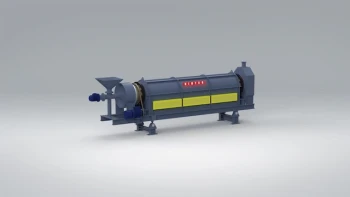
- Electric Rotary Kiln Small Rotary Furnace for Activated Carbon Regeneration
- High Temperature Muffle Oven Furnace for Laboratory Debinding and Pre Sintering
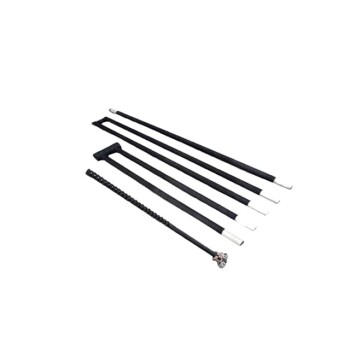
- Silicon Carbide SiC Thermal Heating Elements for Electric Furnace
- 1800℃ High Temperature Muffle Oven Furnace for Laboratory
- 1700℃ High Temperature Muffle Oven Furnace for Laboratory
People Also Ask
- What are the main applications of a rotary kiln electric furnace? Achieve Uniform Heat Treatment for Powders
- What are the key components of a rotary kiln electric furnace? Unlock Efficient Thermal Processing
- What is the significance of the refractory lining in a rotary kiln electric furnace? Unlock Efficiency and Longevity
- What advantages do electric rotary kilns offer over fuel-based kilns? Boost Efficiency and Purity in Your Process
- What materials can be processed in an electric rotary kiln? Versatile Solutions for Advanced Materials