The use of vacuum-evacuated and Argon-filled quartz tubes is a specialized containment strategy designed to preserve the chemical stoichiometry of $Li_2O-SiO_2$ samples. By isolating the material within a controlled micro-environment, researchers prevent the volatilization of lithium species and block the infiltration of environmental impurities that would otherwise compromise the sample during high-temperature sintering.
To achieve reliable results in silicate research, the quartz tube serves as a high-purity barrier that maintains the internal chemical balance. This setup allows the sample to reach a state of pseudo-equilibrium during long-duration heat treatments without losing its active components to the furnace atmosphere.
Maintaining Chemical Stoichiometry and Integrity
Suppressing Lithium Volatilization
Lithium is a highly volatile element when exposed to the high temperatures required for sintering in a muffle furnace. Sealing the sample in a quartz tube creates a localized vapor pressure that physically inhibits lithium atoms from escaping the bulk material.
Preventing Environmental Infiltration
Muffle furnaces, while effective for providing stable heat, are often open to the ambient atmosphere or contain residual gases from previous runs. The quartz jacket acts as an absolute seal against oxygen, moisture, and nitrogen, ensuring that the $Li_2O-SiO_2$ phase remains pure and unreacted.
Achieving Pseudo-Equilibrium
Long-duration heat treatments, such as 8-hour sessions, are necessary to reach a stable state of pseudo-equilibrium within the material. Without the protection of a sealed environment, the cumulative loss of lithium over these extended periods would result in a sample with a significantly different chemical profile than intended.
The Role of the Controlled Micro-Environment
The Impact of Argon Backfilling
Backfilling the evacuated tube with Argon provides an inert atmosphere that does not react with the silicate sample. This gas also helps to stabilize the internal pressure, preventing the tube from collapsing or exploding due to extreme pressure differentials at high temperatures.
Vacuum Sealing and Oxidation Prevention
Evacuating the tube to a high vacuum (e.g., approximately 60 mtorr) removes reactive oxygen that could lead to unwanted oxidation. This is particularly critical when the experiment involves auxiliary materials, like graphite or metallic tubes, which are highly susceptible to oxidation at sintering temperatures.
Maintaining a Stable Thermal Field
While the quartz tube protects the chemistry, the muffle furnace provides the stable thermal field necessary for uniform sintering. This combination ensures that the sample experiences consistent temperature gradients while its internal micro-environment remains undisturbed by the furnace's heating elements or airflow.
Understanding the Trade-offs and Risks
Mechanical Strength and Hoop Stress
Thick-walled quartz tubes must be used to withstand the mechanical stress generated by internal gas expansion. If the internal pressure from volatilized species exceeds the material's critical hoop stress, the tube may rupture, leading to sample loss and potential damage to the furnace.
Potential for Quartz-Lithium Interaction
At extremely high temperatures, there is a risk of the quartz ($SiO_2$) tube reacting with the $Li_2O$ in the sample. This can lead to the formation of a transition layer at the contact point, which may subtly alter the sample's composition if the surface-to-volume ratio is high.
Complexity of the Sealing Process
Achieving a perfect vacuum seal while backfilling with Argon requires specialized glass-blowing equipment and expertise. Any minor leak in the seal will lead to oxidation and stoichiometry drift, rendering the long-term sintering process inaccurate and the research results invalid.
How to Apply This to Your Project
Recommendations for Experimental Success
- If your primary focus is chemical precision: Prioritize a high-vacuum evacuation (below 100 mtorr) followed by high-purity Argon backfilling to ensure the sample's stoichiometry remains unchanged over long durations.
- If your primary focus is structural recovery: Use the sealed environment to facilitate slow cooling cycles, which help in eliminating internal stresses and growing high-quality crystals without atmospheric interference.
- If your primary focus is experimental safety: Ensure the quartz tube wall thickness is rated for the expected vapor pressure of your specific lithium concentration at the target sintering temperature.
Mastering the encapsulation process is the definitive way to ensure that the material you characterize is the exact material you intended to synthesize.
Summary Table:
| Key Feature | Role in Sintering Process | Primary Benefit |
|---|---|---|
| Vacuum Sealing | Removes reactive oxygen/gases | Prevents oxidation and stoichiometry drift |
| Argon Backfilling | Provides an inert micro-environment | Stabilizes pressure and prevents tube collapse |
| Quartz Barrier | Creates localized vapor pressure | Inhibits lithium volatilization at high temps |
| Atmospheric Isolation | Blocks moisture and nitrogen | Ensures sample purity and chemical integrity |
Achieve Uncompromising Precision with KINTEK Laboratory Furnaces
Maintaining the chemical stoichiometry of volatile materials like $Li_2O-SiO_2$ requires superior thermal stability and atmospheric control. KINTEK provides a comprehensive range of advanced high-temperature solutions, including muffle, vacuum, atmosphere, and CVD furnaces, all designed to meet the rigorous demands of material science research.
Whether you need standard laboratory equipment or a fully customized furnace for unique sintering environments, KINTEK ensures your samples reach a stable state of equilibrium without compromise. Contact our technical experts today to discover how our customizable high-temperature furnaces can enhance your experimental accuracy and research outcomes.
References
- Danilo Alencar de Abreu, Olga Fabrichnaya. Critical Experiments and Thermodynamic Modeling of the Li2O-SiO2 System. DOI: 10.3390/solids5020020
This article is also based on technical information from Kintek Furnace Knowledge Base .
Related Products
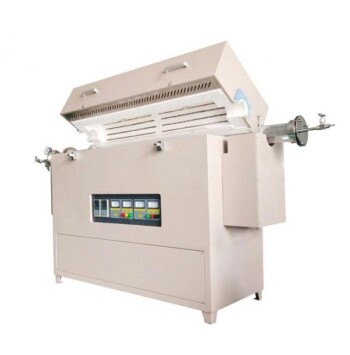
- Laboratory Quartz Tube Furnace RTP Heating Tubular Furnace
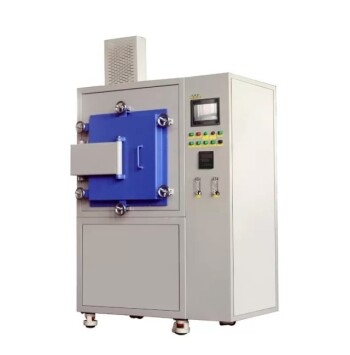
- High Temperature Muffle Oven Furnace for Laboratory Debinding and Pre Sintering
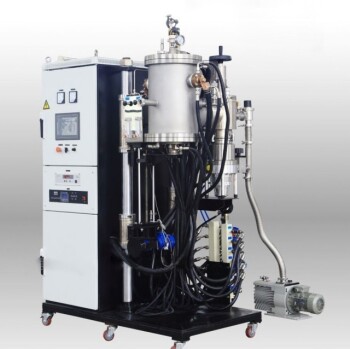
- Vertical Laboratory Quartz Tube Furnace Tubular Furnace
- Laboratory Muffle Oven Furnace with Bottom Lifting
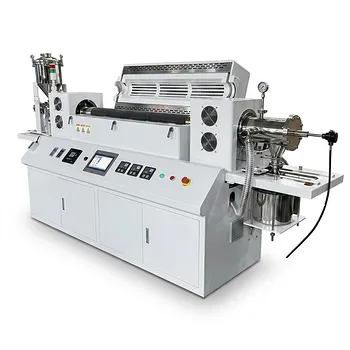
- 1200℃ Split Tube Furnace Laboratory Quartz Tube Furnace with Quartz Tube
People Also Ask
- What physical conditions does a laboratory Tube Furnace provide for SOEC? Precision Heat for Solid Oxide Characterization
- What are the main features and functions of a laboratory tube furnace? Unlock Precise High-Temp Control for Your Lab
- What role does a laboratory tube furnace play in geological and mineralogical research? Unlock Earth's Secrets with Precision
- What parameters must be controlled when calcining freeze-dried oxide precursors in a laboratory tube furnace? A Guide
- What conditions does a tube furnace provide for post-ion-implantation? Achieve Precise Microstructural Repair