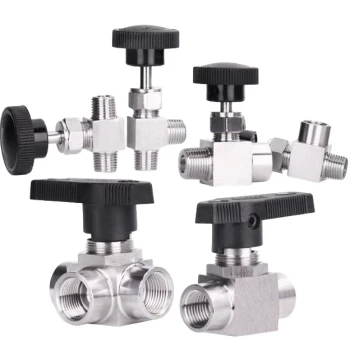
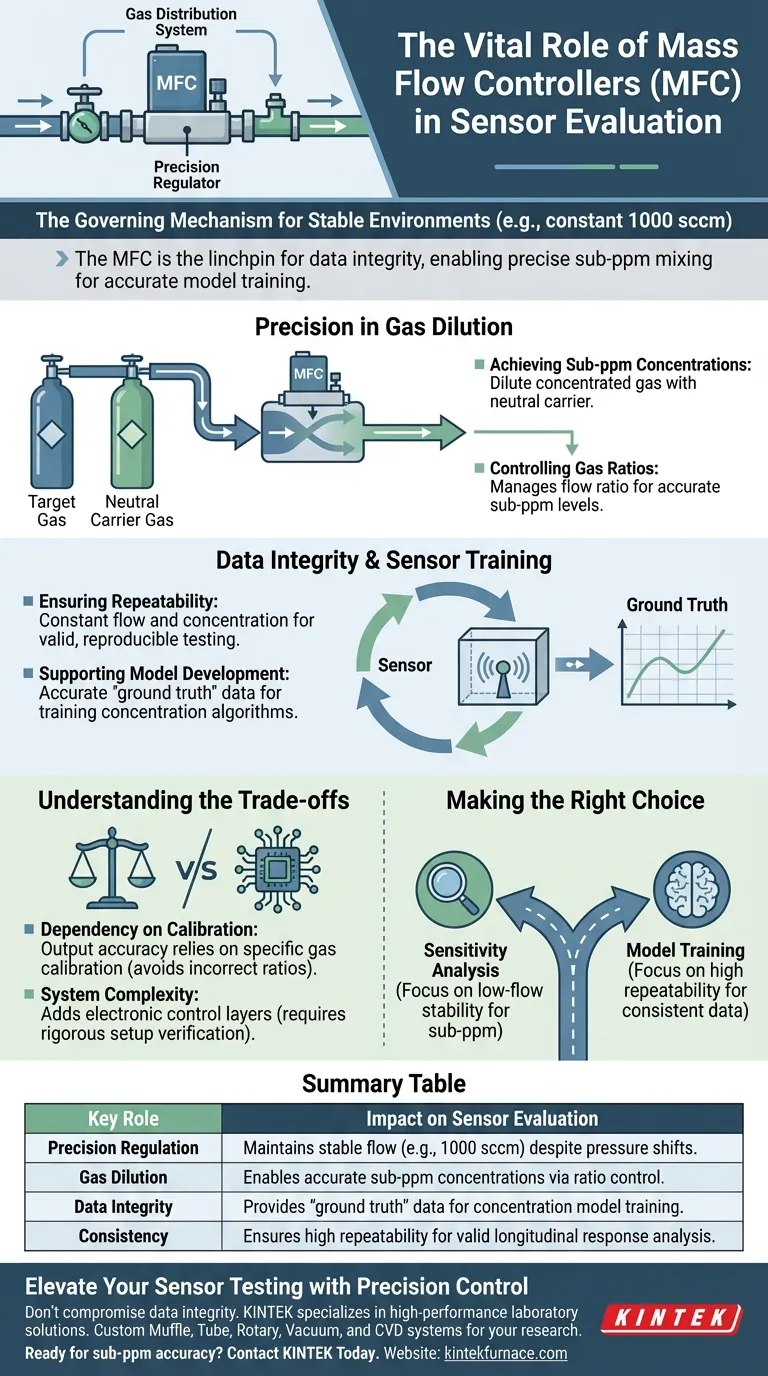
A mass flow controller (MFC) acts as the precision regulator within a gas distribution system, actively maintaining the specific flow rate of gases entering a sensor test chamber. It serves as the governing mechanism that ensures the environment remains stable, such as holding a constant flow at 1000 sccm (standard cubic centimeters per minute), regardless of pressure fluctuations.
The MFC is the linchpin for data integrity in sensor testing. By strictly controlling the ratio of target gas to dilution gas, it enables precise mixing down to sub-ppm levels, ensuring the accuracy and repeatability required to train concentration estimation models.
Precision in Gas Dilution
Achieving Sub-ppm Concentrations
To evaluate high-performance sensors, you often need to generate extremely low gas concentrations. An MFC allows you to dilute a concentrated target gas with a neutral carrier gas.
Controlling Gas Ratios
The device creates these mixtures by managing the exact flow ratio between the two gas sources. By precisely governing how much target gas enters the stream relative to the dilution gas, the MFC achieves accurate concentrations down to sub-ppm (parts per million) levels.
Data Integrity and Sensor Training
Ensuring Repeatability
For a sensor evaluation to be valid, the testing conditions must be reproducible. The MFC ensures that the flow rate and gas concentration remain constant throughout the experiment.
Supporting Model Development
Reliable sensor data is critical for developing algorithms. The precise control provided by the MFC ensures the data collected is accurate enough to serve as "ground truth" for training concentration estimation models.
Analyzing Response Characteristics
To understand how a sensor reacts to changes, you must isolate the variable of gas concentration. The MFC stabilizes the flow, allowing engineers to attribute changes in sensor output directly to the gas chemistry rather than flow artifacts.
Understanding the Trade-offs
Dependency on Calibration
While an MFC offers high precision, its output is only as good as its own calibration. If the controller drifts or is not calibrated for the specific gas being used, the calculated dilution ratios will be incorrect.
System Complexity
Introducing MFCs into a distribution system adds layers of complexity regarding control signals and power requirements. You are moving from simple mechanical regulation to active, electronic flow management, which requires rigorous setup verification.
Making the Right Choice for Your Goal
To maximize the effectiveness of your sensor evaluation setup, match your MFC strategy to your specific testing objectives.
- If your primary focus is Sensitivity Analysis: Ensure your MFC can maintain stability at extremely low flow ratios to accurately achieve sub-ppm concentrations.
- If your primary focus is Model Training: Prioritize high repeatability to ensure the data fed into your algorithms represents a consistent, reproducible reality.
The MFC is not just a valve; it is the reference standard that validates the accuracy of your entire sensor evaluation project.
Summary Table:
| Key Role | Impact on Sensor Evaluation |
|---|---|
| Precision Regulation | Maintains stable flow (e.g., 1000 sccm) despite pressure shifts. |
| Gas Dilution | Enables accurate sub-ppm concentrations via ratio control. |
| Data Integrity | Provides "ground truth" data for concentration model training. |
| Consistency | Ensures high repeatability for valid longitudinal response analysis. |
Elevate Your Sensor Testing with Precision Control
Don't let inconsistent gas flows compromise your data integrity. At KINTEK, we specialize in high-performance laboratory solutions backed by expert R&D and manufacturing. Whether you need a specialized gas distribution setup or a customizable high-temperature furnace, our team offers Muffle, Tube, Rotary, Vacuum, and CVD systems tailored to your unique research needs.
Ready to achieve sub-ppm accuracy and repeatable results? Contact KINTEK Today to discuss your custom laboratory equipment requirements!
Visual Guide
References
- Tianci Liu, Seong Chan Jun. Hybrid Series of Carbon‐Vacancy Electrodes for Multi Chemical Vapors Diagnosis Using a Residual Multi‐Task Model. DOI: 10.1002/advs.202500412
This article is also based on technical information from Kintek Furnace Knowledge Base .
Related Products
- Multi Heating Zones CVD Tube Furnace Machine for Chemical Vapor Deposition Equipment
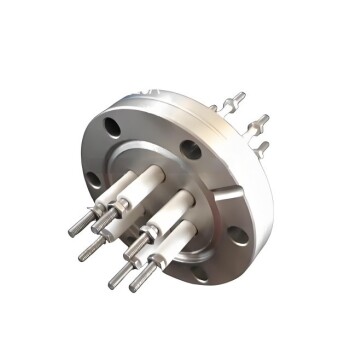
- CF KF Flange Vacuum Electrode Feedthrough Lead Sealing Assembly for Vacuum Systems
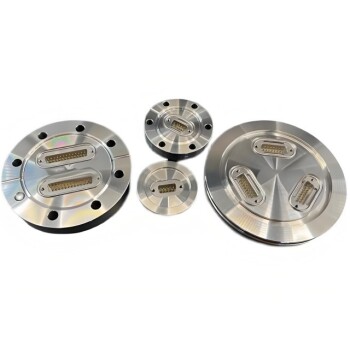
- Ultra-High Vacuum Flange Aviation Plug Glass Sintered Airtight Circular Connector for KF ISO CF
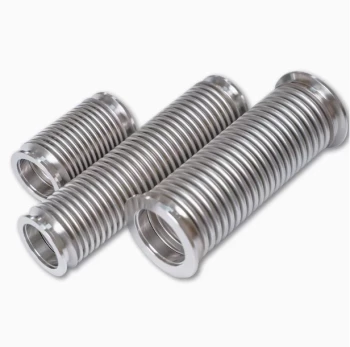
- High Performance Vacuum Bellows for Efficient Connection and Stable Vacuum in Systems
- Multi Zone Laboratory Quartz Tube Furnace Tubular Furnace
People Also Ask
- What is the function of a multi-zone tube furnace in CVD synthesis? Master 2D In2Se3 Nanosheet Precision
- What role do multi zone tube furnaces play in new energy research? Unlock Precise Thermal Control for Innovation
- What environmental protection applications utilize multi zone tube furnaces? Unlock Precision in Waste Treatment and Green Tech
- What temperature-related capabilities make multi zone tube furnaces valuable for research? Unlock Precision Thermal Control
- Why are multi zone tube furnaces particularly useful for nanomaterial research? Unlock Precise Thermal Control for Advanced Synthesis