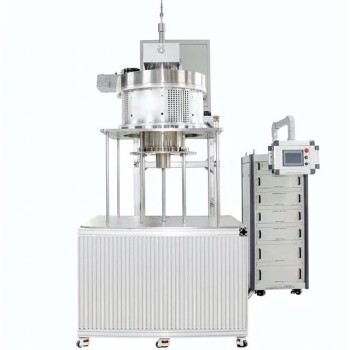
Hydrothermal Liquefaction (HTL) represents a structural paradigm shift for processing algae because it utilizes water as the primary reaction medium rather than treating it as a contaminant.
By operating under high temperatures and pressures, HTL allows for the direct processing of wet microalgae biomass, eliminating the energy-intensive pre-drying stage required by traditional combustion or gasification methods.
Core Takeaway Traditional thermochemical methods are often rendered economically unviable for algae due to the massive energy required to remove moisture. HTL solves this "drying penalty" by converting wet biomass directly into high-energy-density bio-crude oil, significantly compressing processing time and operational costs.
The Operational Advantage: Managing Moisture
Eliminating the Drying Step
The most significant operational bottleneck in converting algae to energy via combustion or gasification is the moisture content. Algae grows in water, and removing that water to create a dry fuel requires substantial energy input.
HTL completely eliminates the need for pre-drying. Because the reactor design anticipates a wet environment, you can feed high-moisture algal slurry directly into the system.
Water as a Reaction Medium
In traditional gasification, water inhibits the process. In HTL, water is an essential solvent and reactant.
By utilizing the water already present in the algae, the process turns a logistical liability into a chemical asset, facilitating the breakdown of biomass components.
Structural and Process Conditions
High-Temperature and Pressure Dynamics
HTL reactors operate in a distinct thermodynamic window, generally maintaining temperatures between 250°C and 550°C.
To maintain water in a liquid or supercritical state at these temperatures, the reactor must function at high pressures. Note: While some sources cite lower figures, effective HTL typically requires pressures significantly above atmospheric levels (often measured in MPa rather than low Psi) to prevent the water from simply boiling off into steam.
Direct Production of Bio-Crude
Structurally, the output of an HTL reactor differs from the syngas or heat produced by gasification and combustion.
The process creates a high-energy-density bio-crude oil. This product is similar to petroleum crude and can be upgraded into liquid transportation fuels, offering a more direct pathway to liquid fuel than gasification.
Understanding the Trade-offs
Engineering Complexity
While HTL simplifies the feedstock preparation (no drying), it increases the complexity of the reactor vessel.
Building a continuous-flow reactor capable of withstanding the combination of high heat, high pressure, and the corrosive nature of hot biomass slurry requires robust, high-grade materials. This can lead to higher upfront capital costs regarding the reactor structure itself, even as it lowers operational energy costs.
Making the Right Choice for Your Goal
To determine if HTL is the superior choice for your specific algae project, assess your constraints regarding energy input and desired end-product.
- If your primary focus is energy efficiency with wet feedstock: HTL is the clear choice, as it bypasses the massive energy penalty associated with drying algae paste.
- If your primary focus is producing liquid transportation fuels: HTL is advantageous because it yields bio-crude oil directly, rather than a gas that requires further synthesis.
Summary: For wet algae biomass, HTL transforms the water burden into a processing advantage, offering a streamlined path to liquid fuel that combustion and gasification cannot match.
Summary Table:
| Feature | Hydrothermal Liquefaction (HTL) | Combustion / Gasification |
|---|---|---|
| Feedstock Condition | Wet Slurry (Direct Processing) | Required Dry Biomass |
| Role of Water | Essential Solvent & Reactant | Contaminant / Energy Drain |
| Energy Efficiency | High (No drying penalty) | Low (Significant energy for drying) |
| Primary Output | High-density Bio-crude Oil | Heat or Syngas |
| Operating Pressure | High (to maintain liquid/supercritical water) | Atmospheric to Moderate |
Maximize Your Algae-to-Energy Yield with KINTEK
Transitioning from traditional thermochemical processes to Hydrothermal Liquefaction requires robust equipment capable of withstanding extreme pressures and temperatures. KINTEK provides the high-performance laboratory and pilot-scale systems necessary to handle these demanding conditions.
Backed by expert R&D and precision manufacturing, we offer a comprehensive range of Muffle, Tube, Rotary, Vacuum, and CVD systems, all fully customizable to meet your unique biomass research needs. Whether you are refining bio-crude or exploring new material syntheses, our specialized high-temp furnaces ensure safety, durability, and precise control.
Ready to eliminate the drying penalty and streamline your reactor operations?
Contact KINTEK experts today to find the perfect high-pressure thermal solution for your project.
References
- Mathiyazhagan Narayanan. Biorefinery products from algal biomass by advanced biotechnological and hydrothermal liquefaction approaches. DOI: 10.1007/s42452-024-05777-6
This article is also based on technical information from Kintek Furnace Knowledge Base .
Related Products
- 1700℃ High Temperature Laboratory Tube Furnace with Alumina Tube
- Laboratory Quartz Tube Furnace RTP Heating Tubular Furnace
- 1400℃ High Temperature Laboratory Tube Furnace with Alumina Tube
- Controlled Inert Nitrogen Hydrogen Atmosphere Furnace
- Vertical Laboratory Quartz Tube Furnace Tubular Furnace
People Also Ask
- How does zone-melting in tube furnaces synthesize bismuth micro-wires? Master Single-Crystal Thermoelectric Growth
- How are high-temperature laboratory tube furnaces applied in long-term vacuum homogenization heat treatments for intermetallic samples?
- How are high-temp tube furnaces used to measure diffusion coefficients per Fick's law? Master Precision Annealing
- How do high-temperature laboratory tube furnaces ensure environmental stability? Precision Thermal Reduction Tips
- How are high-temperature tube furnaces applied in testing ceramic-supported alloy membranes? Insights