High-precision mass flow controllers (MFC) are essential for isolating the intrinsic chemical kinetics of iron oxide reduction. By maintaining a stable, high-velocity gas flow—specifically above 6.67 L min⁻¹—these devices eliminate the interference of external gas-phase diffusion. This ensures that the data collected reflects the material's internal interfacial reactions and structural changes rather than the limitations of the experimental gas delivery system.
High-precision MFCs remove the "mask" of external mass transfer by providing precise, high-velocity gas delivery. This shift ensures that kinetic data reflects the material’s true interfacial chemical reactions and microstructural evolution.
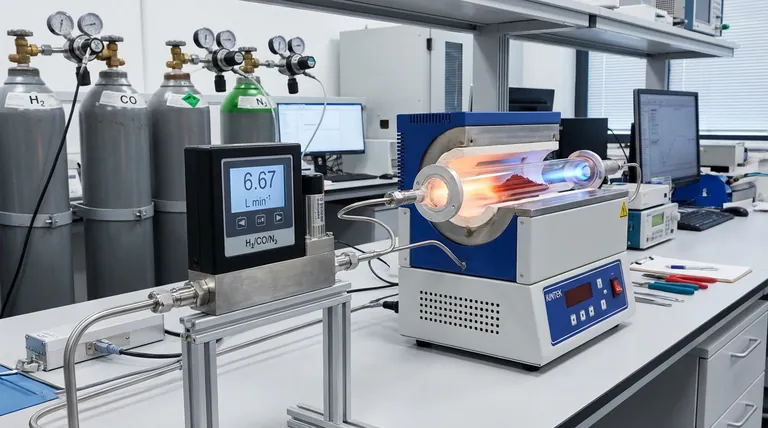
Overcoming External Mass Transfer Resistance
The Critical Flow Rate Threshold
In kinetic studies, a major hurdle is external gas-phase diffusion, where the speed of gas reaching the sample surface limits the perceived reaction rate. By utilizing MFCs to stabilize the flow rate above 6.67 L min⁻¹, researchers effectively "blow away" this stagnant boundary layer.
Isolating Internal Reaction Mechanisms
When external diffusion is eliminated, the observed reduction progress is determined solely by the material's internal properties. This allows for the accurate measurement of interfacial chemical reactions and how the microstructure evolves as oxygen is removed from the iron oxide.
Precision Control of Reducing Atmospheres
Regulating Complex Gas Mixtures
High-precision MFCs allow for the exact blending of reducing gases like Hydrogen (H2) and Carbon Monoxide (CO) with diluents like Nitrogen (N2). This level of control is vital for simulating specific industrial conditions, such as those found in a blast furnace or direct reduction plant.
Ensuring Stoichiometric Consistency
Accuracy in the total flow and proportions of the gas stream ensures that the chemical potential of the atmosphere remains constant throughout the experiment. Without this precision, fluctuations in gas concentration could be mistaken for changes in the material's kinetic behavior.
Understanding the Trade-offs
Calibration and Gas Compatibility
MFCs are often calibrated for specific gases; using a controller calibrated for N2 to measure H2 without proper correction factors can lead to significant errors. Maintaining high precision requires regular recalibration and an understanding of the thermal properties of the gases being used.
Pressure Sensitivity and System Stability
While high flow rates eliminate diffusion issues, they can introduce backpressure within the reactor system. If the system is not designed to handle the increased velocity, it can lead to leaks or fluctuations that undermine the very precision the MFC is intended to provide.
How to Apply This to Your Research
When designing an iron oxide reduction experiment, your use of MFCs should be dictated by the specific kinetic regime you intend to study.
- If your primary focus is determining true chemical reaction constants: You must use high-precision MFCs to maintain flow rates above the 6.67 L min⁻¹ threshold to ensure external diffusion is not the rate-limiting step.
- If your primary focus is simulating industrial gas environments: Use multiple MFCs to precisely mix H2, CO, and N2, allowing you to observe how different gas ratios impact the microstructural evolution of the ore.
- If your primary focus is reducing experimental noise: Invest in high-resolution MFCs that offer fast response times to ensure that the gas composition remains perfectly stable from the moment the reaction begins.
By leveraging high-precision mass flow control, you transform your reactor from a simple furnace into a rigorous analytical tool capable of unlocking the fundamental physics of material reduction.
Summary Table:
| Feature | Impact on Kinetic Studies | Why it Matters |
|---|---|---|
| High-Velocity Flow (>6.67 L/min) | Eliminates external gas-phase diffusion | Isolates intrinsic chemical reaction rates. |
| Precise Gas Blending (H2/CO/N2) | Simulates industrial environments | Enables study of specific atmosphere impacts. |
| Flow Stability | Constant chemical potential | Removes experimental noise for cleaner data. |
| Thermal Precision | Accurate gas stoichiometry | Ensures reliable results across different gas types. |
Elevate Your Material Research with KINTEK
Precision in gas control is only half the equation; you need the right thermal environment to match. Backed by expert R&D and manufacturing, KINTEK offers Muffle, Tube, Rotary, Vacuum, and CVD systems, all designed to integrate seamlessly with high-precision gas delivery. Whether you are studying iron oxide reduction kinetics or complex material synthesis, our customizable lab high-temp furnaces provide the stability and control your data deserves.
Ready to refine your experimental setup? Contact us today to find your custom solution!
References
- Defect Engineering in Wüstite: Unlocking Control Over Iron Morphologies in Gas‐Solid Reduction. DOI: 10.1002/advs.202416713
This article is also based on technical information from Kintek Furnace Knowledge Base .
Related Products
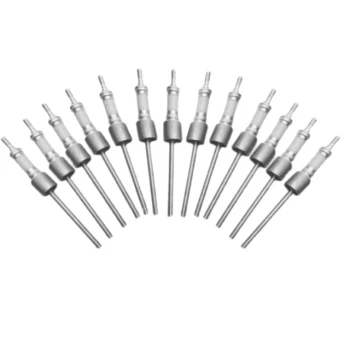
- Ultra Vacuum Electrode Feedthrough Connector Flange Power Lead for High Precision Applications
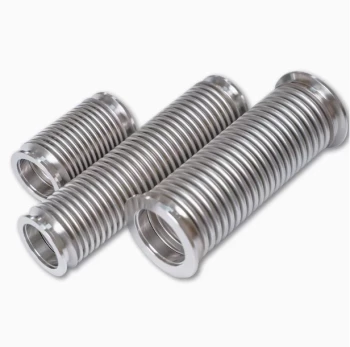
- High Performance Vacuum Bellows for Efficient Connection and Stable Vacuum in Systems
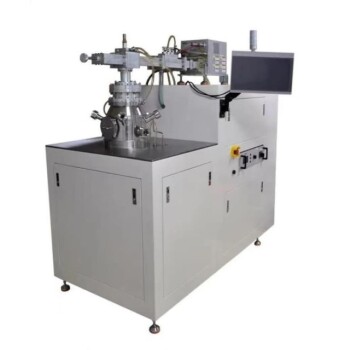
- Cylindrical Resonator MPCVD Machine System for Lab Diamond Growth
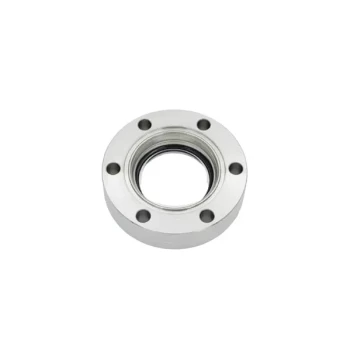
- Ultra High Vacuum CF Observation Window Flange with High Borosilicate Glass Sight Glass
People Also Ask
- Why is a high-precision vacuum sealing system necessary for CrSb? Ensure Pure Crystal Growth & Prevent Oxidation
- Why is an Ultra-High Vacuum (UHV) System Required for In2Se3? Achieving Atomic-Level Ferroelectric Clarity
- What is the function of quartz vacuum encapsulation in RhSeCl CVT? Mastering Pure Crystal Growth
- Why is vacuum sealing technology essential for K2In2As3 synthesis? Master High-Purity Solid-State Reactions
- What role do vacuum-sealed high-purity silica ampoules play in phase equilibrium experiments? Enhance Sample Integrity