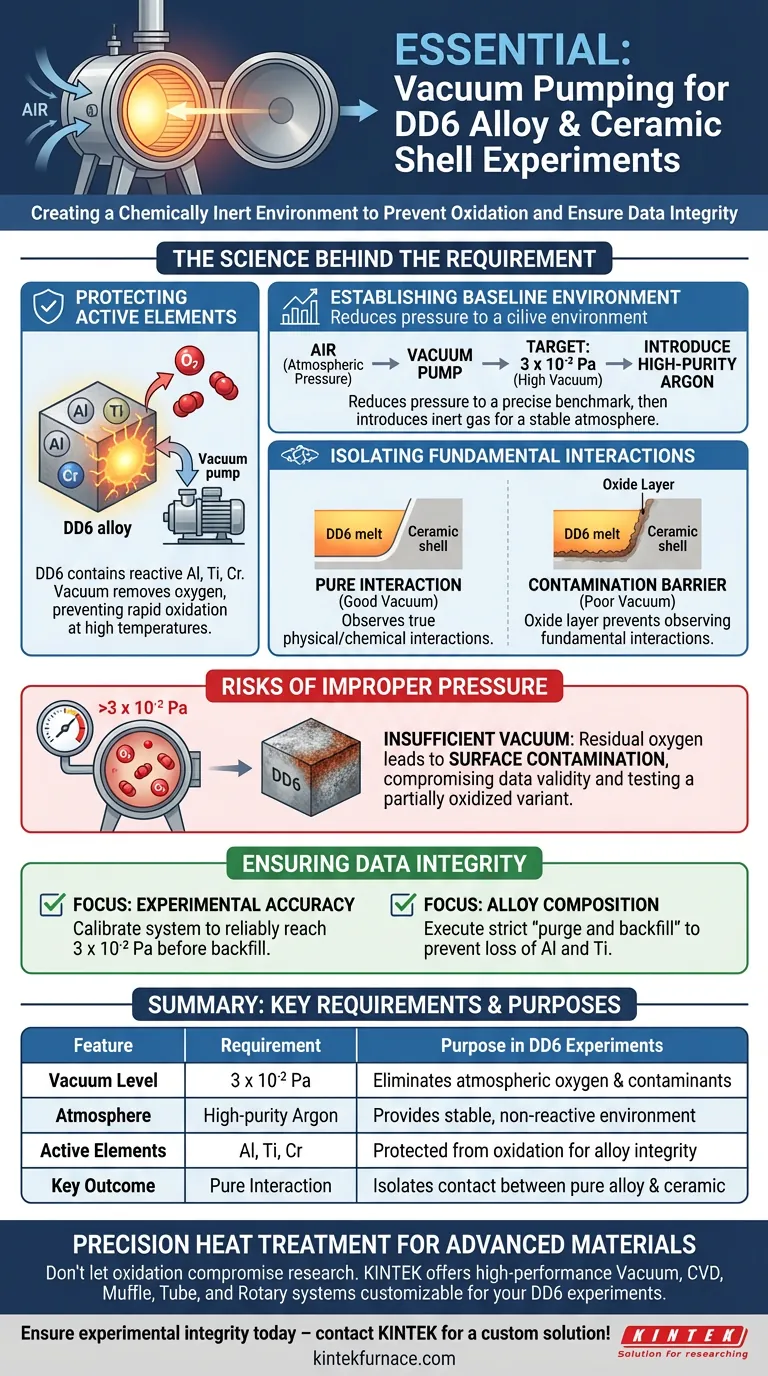
A vacuum pumping system is critical for creating a chemically inert environment essential for high-temperature alloy experiments. By reducing the furnace pressure to a high vacuum level of 3 x 10^-2 Pa before introducing inert gas, the system eliminates atmospheric contaminants. This step is non-negotiable for preventing the oxidation of reactive elements within the DD6 alloy during the heating process.
The primary function of the vacuum system is to protect the chemical integrity of the DD6 alloy. By stripping away oxygen, it prevents active elements like aluminum, titanium, and chromium from reacting with the atmosphere, ensuring that the study isolates the interaction between the metal and the ceramic shell rather than surface oxides.
The Science Behind the Vacuum Requirement
Protecting Active Elements
DD6 alloy is composed of various elements, including highly reactive ones such as aluminum, titanium, and chromium.
These active elements have a strong affinity for oxygen, particularly at the elevated temperatures required for melting.
Without a vacuum system to remove the air, these elements would undergo rapid, unintended oxidation.
Establishing the Baseline Environment
The experiment requires a specific environmental sequence to ensure purity.
The system must first reduce the internal furnace pressure to a precise high vacuum benchmark of 3 x 10^-2 Pa.
Once this vacuum level is achieved, high-purity argon is introduced to create a stable, non-reactive atmosphere for the duration of the melt.
Isolating Fundamental Interactions
The core goal of the experiment is to observe the physical and chemical interactions between the DD6 melt and the ceramic shell material.
If oxidation occurs due to a poor vacuum, an oxide layer forms on the surface of the alloy.
This oxide layer acts as a contamination barrier, preventing you from observing the true fundamental interactions between the pure alloy and the ceramic.
Understanding the Risks of Improper Pressure
The Consequence of Insufficient Vacuum
If the pumping system fails to reach the target of 3 x 10^-2 Pa, residual oxygen remains in the chamber.
Even trace amounts of oxygen can lead to surface contamination of the alloy.
This compromises the validity of the data, as you are no longer testing the DD6 alloy in its intended state, but rather a partially oxidized variant.
Ensuring Data Integrity in Your Setup
To guarantee valid results when working with DD6 and ceramic shells, precise atmospheric control is required.
- If your primary focus is experimental accuracy: Ensure your vacuum system is calibrated to reliably reach 3 x 10^-2 Pa before the introduction of any backfill gas.
- If your primary focus is alloy composition: Verify that the "purge and backfill" cycle is executed strictly to prevent the loss of active elements like Aluminum and Titanium.
A robust vacuum system is the only way to ensure the chemistry you observe is the chemistry intended by the experiment design.
Summary Table:
| Feature | Requirement | Purpose in DD6 Experiments |
|---|---|---|
| Vacuum Level | 3 x 10^-2 Pa | Eliminates atmospheric oxygen and contaminants |
| Atmosphere | High-purity Argon | Provides a stable, non-reactive testing environment |
| Active Elements | Al, Ti, Cr | Protected from oxidation to maintain alloy integrity |
| Key Outcome | Pure Interaction | Isolates contact between pure alloy and ceramic shell |
Precision Heat Treatment for Advanced Materials
Don’t let oxidation compromise your research data. KINTEK provides the high-performance vacuum and thermal solutions required for sensitive metallurgical studies. Backed by expert R&D and manufacturing, we offer Vacuum, CVD, Muffle, Tube, and Rotary systems, all customizable to reach the precise pressure levels your DD6 alloy experiments demand.
Ensure your experimental integrity today—contact KINTEK for a custom furnace solution!
Visual Guide
References
- Guangyao Chen, Chonghe Li. Effect of Kaolin/TiO2 Additions and Contact Temperature on the Interaction between DD6 Alloys and Al2O3 Shells. DOI: 10.3390/met14020164
This article is also based on technical information from Kintek Furnace Knowledge Base .
Related Products
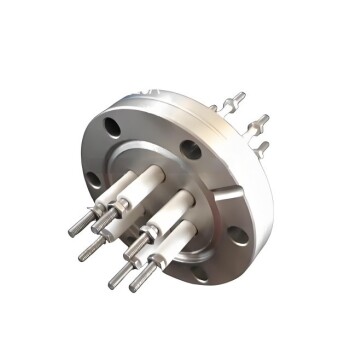
- CF KF Flange Vacuum Electrode Feedthrough Lead Sealing Assembly for Vacuum Systems
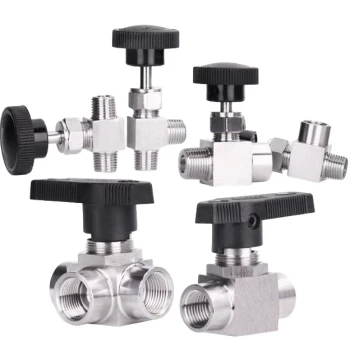
- 304 316 Stainless Steel High Vacuum Ball Stop Valve for Vacuum Systems
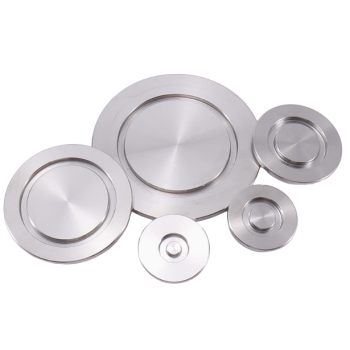
- Stainless Steel KF ISO Vacuum Flange Blind Plate for High Vacuum Systems
- Vacuum Induction Melting Furnace
- Vacuum Hot Press Furnace Machine Heated Vacuum Press
People Also Ask
- Why is a vacuum sealing process necessary for the synthesis of TaAs2 single crystals? Ensuring Purity in CVT Method
- Why is a PTFE-lined stainless steel autoclave used for Ni12P5 synthesis? Key Benefits for Nanomaterial Production
- What is the function of PTFE sealing rings in plastic pyrolysis? Ensure Safe, Anaerobic Material Decomposition
- What is the function of a Teflon-lined stainless steel autoclave in the hydrothermal synthesis of Bi2O3 precursors?
- Why is a stainless steel autoclave with a Teflon liner necessary for BiVO4? Ensure Purity & High Performance