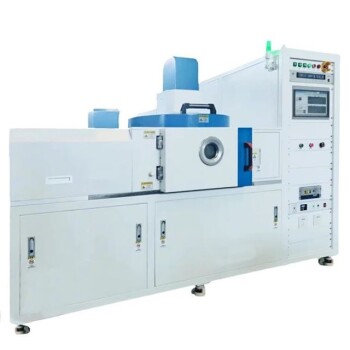
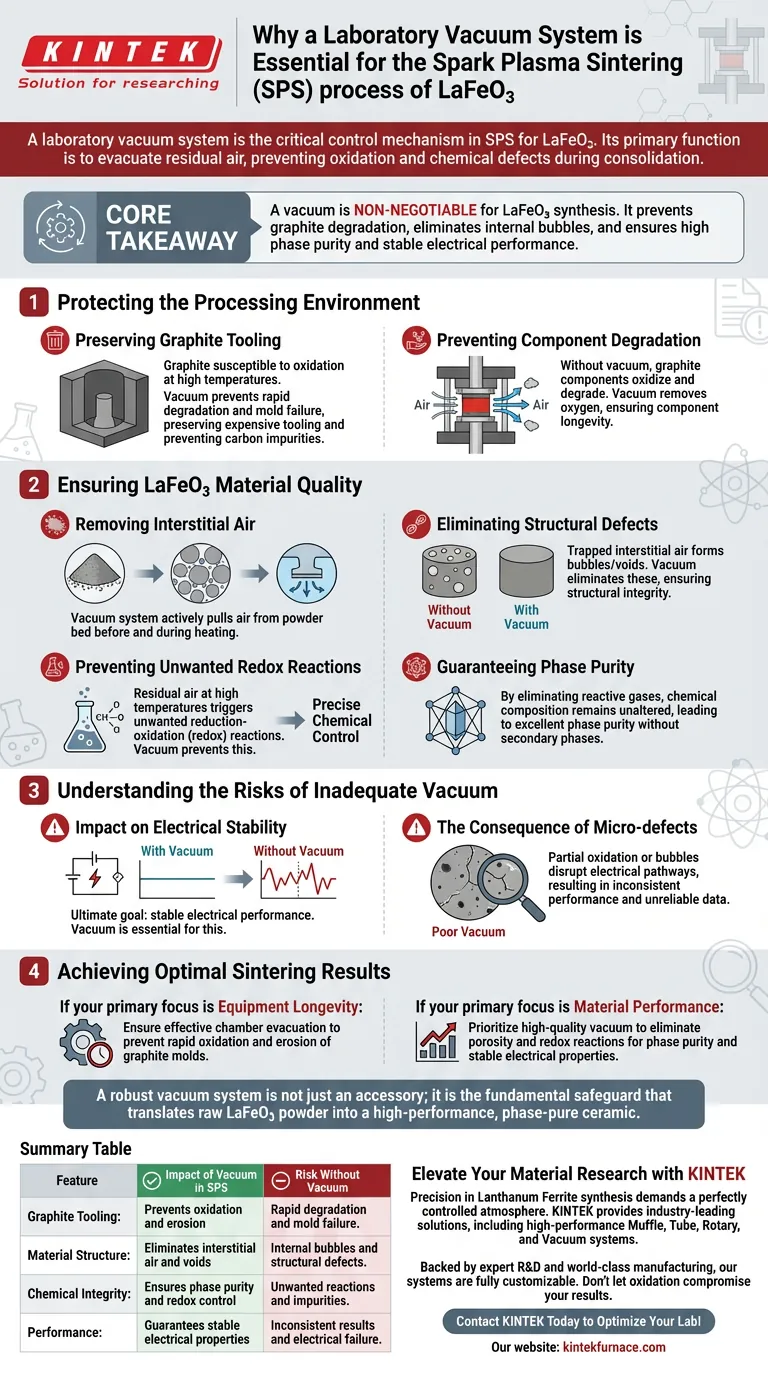
A laboratory vacuum system is the critical control mechanism in the Spark Plasma Sintering (SPS) process for Lanthanum Ferrite (LaFeO3). Its primary function is to evacuate residual air from both the graphite tooling and the interstitial spaces between powder particles, preventing oxidation and chemical defects during the high-temperature consolidation process.
Core Takeaway Attempting SPS without a vacuum environment exposes both the tooling and the sample to trapped oxygen. A vacuum system is non-negotiable for LaFeO3 synthesis because it prevents graphite degradation and eliminates the risk of internal bubbles, ensuring the final ceramic achieves high phase purity and stable electrical performance.
Protecting the Processing Environment
Preserving Graphite Tooling
The SPS process relies heavily on graphite molds to conduct current and apply pressure. However, graphite is highly susceptible to oxidation at the high temperatures required for sintering.
Preventing Component Degradation
Without a vacuum to remove oxygen, the graphite components would oxidize and degrade rapidly. This not only destroys expensive tooling but can also introduce carbon impurities into the processing chamber.
Ensuring LaFeO3 Material Quality
Removing Interstitial Air
LaFeO3 powder particles have microscopic gaps between them filled with air. The vacuum system actively pulls this air out of the powder bed before and during the heating stages.
Eliminating Structural Defects
If this interstitial air is not removed, it becomes trapped as the material densifies. This results in the formation of bubbles or voids within the ceramic, compromising its structural integrity.
Preventing Unwanted Redox Reactions
LaFeO3 synthesis requires precise chemical control. The presence of residual air at high temperatures can trigger unwanted reduction-oxidation (redox) reactions.
Guaranteeing Phase Purity
By eliminating reactive gases, the vacuum ensures that the chemical composition of the LaFeO3 remains unaltered. This leads to excellent phase purity, meaning the material forms the correct crystal structure without secondary, unwanted phases.
Understanding the Risks of Inadequate Vacuum
Impact on Electrical Stability
The ultimate goal of sintering LaFeO3 is often for its electrical applications. The reference highlights that a vacuum is essential for stable electrical performance.
The Consequence of Micro-defects
Even partial oxidation or microscopic bubbles caused by a poor vacuum can disrupt the electrical pathways in the ceramic. This results in inconsistent performance and unreliable data.
Achieving Optimal Sintering Results
If your primary focus is Equipment Longevity:
- Ensure the vacuum system effectively evacuates the chamber to prevent rapid oxidation and erosion of your graphite molds.
If your primary focus is Material Performance:
- Prioritize a high-quality vacuum to eliminate porosity and redox reactions, which is the only way to guarantee the phase purity required for stable electrical properties.
A robust vacuum system is not just an accessory; it is the fundamental safeguard that translates raw LaFeO3 powder into a high-performance, phase-pure ceramic.
Summary Table:
| Feature | Impact of Vacuum in SPS | Risk Without Vacuum |
|---|---|---|
| Graphite Tooling | Prevents oxidation and erosion | Rapid degradation and mold failure |
| Material Structure | Eliminates interstitial air and voids | Internal bubbles and structural defects |
| Chemical Integrity | Ensures phase purity and redox control | Unwanted reactions and impurities |
| Performance | Guarantees stable electrical properties | Inconsistent results and electrical failure |
Elevate Your Material Research with KINTEK
Precision in Lanthanum Ferrite synthesis requires more than just high temperatures; it demands a perfectly controlled atmosphere. KINTEK provides industry-leading laboratory solutions, including high-performance Muffle, Tube, Rotary, and Vacuum systems designed specifically for sensitive sintering processes like SPS.
Backed by expert R&D and world-class manufacturing, our systems are fully customizable to meet your unique research needs, ensuring the phase purity and electrical stability your projects demand. Don't let oxidation compromise your results.
Contact KINTEK Today to Optimize Your Lab!
Visual Guide
References
- Pavel Ctibor, Libor Straka. Characterization of LaFeO3 Dielectric Ceramics Produced by Spark Plasma Sintering. DOI: 10.3390/ma17020287
This article is also based on technical information from Kintek Furnace Knowledge Base .
Related Products
- Spark Plasma Sintering SPS Furnace
- Chairside Dental Porcelain Zirconia Sintering Furnace with Transformer for Ceramic Restorations
- 600T Vacuum Induction Hot Press Vacuum Heat Treat and Sintering Furnace
- 9MPa Air Pressure Vacuum Heat Treat and Sintering Furnace
- Dental Porcelain Zirconia Sintering Ceramic Vacuum Press Furnace
People Also Ask
- Why is it necessary to maintain a high vacuum environment during the SPS of SiC? Key to High-Density Ceramics
- How does the heating mechanism of Spark Plasma Sintering (SPS) function? Enhance TiC/SiC Composite Fabrication
- What are the technical advantages of using an SPS sintering furnace? Elevate Al2O3-TiC Material Performance
- What are the steps in the discharge plasma sintering process? Master Fast, High-Density Material Consolidation
- What are the advantages of spark plasma sintering (SPS) over traditional forging? Precision Microstructural Control