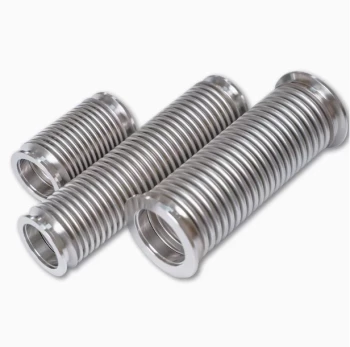
The mechanical vacuum pump serves as the foundational tool for purity in the preparation of tungsten disulfide (WS2) gas sensors. Its critical function is to pre-evacuate the chemical vapor deposition (CVD) reactor to a specific pressure of approximately 10⁻² mbar. By removing atmospheric air and residual impurities, it establishes the baseline conditions necessary for a controlled synthesis environment.
The vacuum pump eliminates oxygen prior to sulfurization, preventing the formation of unwanted tungsten oxides and ensuring the production of high-purity WS2 thin films.
Establishing the Reaction Environment
Reaching the Pressure Threshold
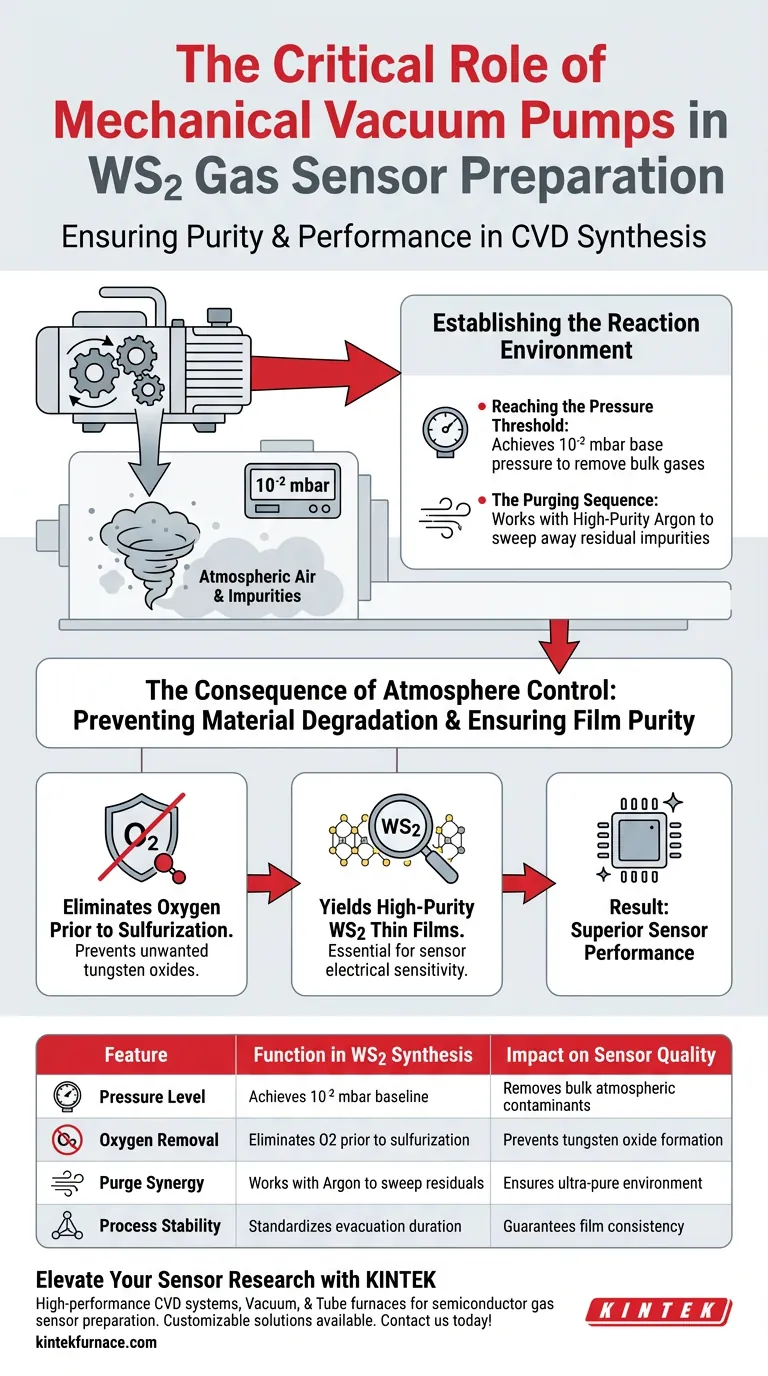
The synthesis of WS2 requires a pristine starting environment. The mechanical pump is responsible for drawing the reactor chamber down to a base pressure of 10⁻² mbar.
This specific pressure level is sufficient to remove the bulk of atmospheric gases that would otherwise interfere with the chemical reaction.
The Purging Sequence
Evacuation alone is often not enough to guarantee purity. The vacuum step is immediately followed by a purge using high-purity argon.
The mechanical pump works in tandem with this inert gas flow. Together, they sweep away any stubborn residual impurities lingering in the chamber.
The Consequence of Atmosphere Control
Preventing Material Degradation
The primary adversary in WS2 sensor preparation is oxygen. If oxygen is present during the high-temperature sulfurization process, the tungsten precursor will oxidize.
This results in the formation of tungsten oxides rather than the desired tungsten disulfide.
Ensuring Film Purity
The mechanical pump ensures the sulfurization occurs in a strictly controlled atmosphere.
By maintaining low oxygen levels, the process yields WS2 thin films that are virtually free of oxides. This chemical purity is essential for the electrical sensitivity and performance of the final gas sensor.
Common Pitfalls to Avoid
Insufficient Evacuation Time
A common error is rushing the pre-evacuation phase.
If the pump is not allowed to stabilize the chamber at 10⁻² mbar, pockets of air may remain. This leads to inconsistent film quality and "islands" of oxidation within the sensor material.
Relying Solely on Argon
Purging with argon without a prior vacuum drawdown is ineffective.
The mechanical pump is required to physically remove the volume of air first. Argon acts as a finishing rinse, not a replacement for mechanical evacuation.
Making the Right Choice for Your Goal
To maximize the performance of your WS2 gas sensors, consider the following operational priorities:
- If your primary focus is film purity: Ensure the mechanical pump achieves a stable 10⁻² mbar baseline before introducing any precursor gases.
- If your primary focus is consistency: Standardize the exact duration of the vacuum drawdown and argon purge for every batch to prevent batch-to-batch variation.
The mechanical vacuum pump is the critical gatekeeper that allows high-quality semiconductor growth to occur.
Summary Table:
| Feature | Function in WS2 Synthesis | Impact on Sensor Quality |
|---|---|---|
| Pressure Level | Achieves 10⁻² mbar baseline | Removes bulk atmospheric contaminants |
| Oxygen Removal | Eliminates O2 prior to sulfurization | Prevents unwanted tungsten oxide formation |
| Purge Synergy | Works with Argon to sweep residuals | Ensures ultra-pure synthesis environment |
| Process Stability | Standardizes evacuation duration | Guarantees film consistency and sensitivity |
Elevate Your Sensor Research with KINTEK
Precision in WS2 synthesis begins with a controlled environment. Backed by expert R&D and manufacturing, KINTEK offers high-performance CVD systems, Vacuum, and Tube furnaces specifically designed to meet the rigorous demands of semiconductor gas sensor preparation.
Whether you need a standard setup or a customizable system tailored to your unique research needs, our team is here to support your innovation.
Ready to achieve superior film purity and consistency? Contact us today to find your solution!
Visual Guide
References
- Thin Films of Tungsten Disulfide Grown by Sulfurization of Sputtered Metal for Ultra-Low Detection of Nitrogen Dioxide Gas. DOI: 10.3390/nano15080594
This article is also based on technical information from Kintek Furnace Knowledge Base .
Related Products
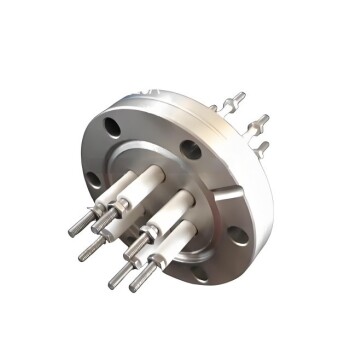
- CF KF Flange Vacuum Electrode Feedthrough Lead Sealing Assembly for Vacuum Systems
- Vacuum Hot Press Furnace Machine Heated Vacuum Press
- Vacuum Hot Press Furnace Machine Heated Vacuum Press Tube Furnace
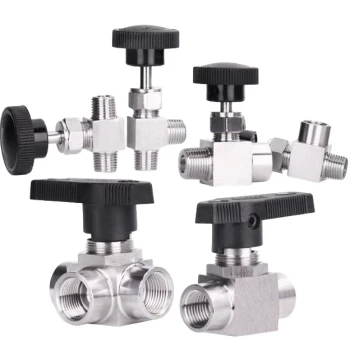
- 304 316 Stainless Steel High Vacuum Ball Stop Valve for Vacuum Systems
- Ultra Vacuum Electrode Feedthrough Connector Flange Power Lead for High Precision Applications
People Also Ask
- Why is a vacuum sealing process necessary for the synthesis of TaAs2 single crystals? Ensuring Purity in CVT Method
- Why is a PTFE-lined stainless steel autoclave used for Ni12P5 synthesis? Key Benefits for Nanomaterial Production
- What is the function of PTFE sealing rings in plastic pyrolysis? Ensure Safe, Anaerobic Material Decomposition
- What is the function of a Teflon-lined stainless steel autoclave in the hydrothermal synthesis of Bi2O3 precursors?
- Why is a stainless steel autoclave with a Teflon liner necessary for BiVO4? Ensure Purity & High Performance