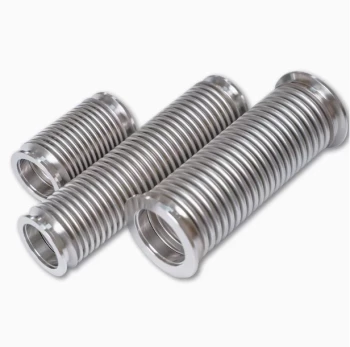
A magnesium vacuum distillation system acts as the definitive purification step in the Liquid Metal Extraction (LME) pathway. It functions by effectively separating the magnesium solvent from the targeted rare earth elements, converting a mixed alloy into a high-purity resource ready for downstream application.
By utilizing specific negative pressure and high temperatures, the system evaporates magnesium to isolate a rare earth sponge with 95-98% purity, achieving complete separation from the original iron-boron matrix.
The Mechanics of Separation
Exploiting Boiling Point Differentials
The fundamental principle driving this system is the significant difference in boiling points between the materials.
Magnesium serves as a solvent during the initial extraction, but it is much more volatile than the target metals. The system leverages this property to separate the two components physically.
The Role of Vacuum Pressure
To facilitate separation, the process occurs within a specialized vacuum environment.
By applying specific negative pressure, the system lowers the boiling point required to evaporate the magnesium. This ensures the solvent is removed efficiently without requiring temperatures that might damage the distillation vessel or the final product.
Operational Parameters
Precise Thermal Control
The system is engineered to operate within a strict temperature window of 850°C to 900°C.
Maintained under vacuum, this thermal range is sufficient to vaporize the magnesium content rapidly. It ensures the phase change of the solvent while the rare earth elements remain in a solid state.
Material Output and Purity
The primary goal of the LME process is the recovery of high-value materials.
Once the magnesium is evaporated, a rare earth concentrate remains at the bottom of the crucible. This material, referred to as a "sponge," typically achieves a purity level of 95-98 wt%.
Magnesium Recovery
Efficiency in LME is not just about the rare earths; it is also about the solvent.
As the magnesium evaporates, the system captures and condenses the metal vapor. This allows the magnesium to be recovered and reused in future extraction cycles, reducing material waste.
Critical Operational Factors
Managing Process Variables
While effective, vacuum distillation is an energy-intensive process that requires rigorous control.
Operators must maintain the 850°C to 900°C window precisely. Falling below this range results in incomplete separation, leaving magnesium impurities in the sponge, while exceeding it increases energy consumption unnecessarily.
Vacuum Integrity
The quality of the "sponge" is directly tied to the stability of the vacuum environment.
Any fluctuation in negative pressure can disrupt the evaporation rate of the magnesium. Consistent vacuum levels are essential to achieving the target 95-98% purity and ensuring the complete removal of the solvent.
Strategic Application for LME Goals
If your primary focus is Purity:
- Prioritize the maintenance of stable negative pressure to ensure no magnesium residue remains in the final 95-98% pure sponge.
If your primary focus is Efficiency:
- Optimize the thermal cycle between 850°C and 900°C to maximize the speed of magnesium evaporation and recovery for reuse.
Mastering the vacuum distillation phase is the key to transforming raw extracted alloys into commercially viable rare earth materials.
Summary Table:
| Feature | Specification / Detail |
|---|---|
| Core Purpose | Separation of Magnesium solvent from Rare Earth sponge |
| Operating Temperature | 850°C to 900°C |
| Purity Level Achieved | 95% - 98% wt% Rare Earth concentrate |
| Key Mechanism | Boiling point differentials under negative pressure |
| Resource Recovery | Condensation and reuse of evaporated Magnesium |
Maximize Your Rare Earth Recovery with KINTEK Precision
Transform your Liquid Metal Extraction (LME) results with KINTEK’s industry-leading thermal technology. Backed by expert R&D and manufacturing, KINTEK offers specialized Muffle, Tube, Rotary, Vacuum, and CVD systems, along with other lab high-temperature furnaces—all fully customizable to your specific distillation and purification needs.
Whether you are refining rare earth sponges or optimizing solvent recovery, our systems provide the precise thermal control (850°C-900°C) and vacuum integrity required for 98% purity. Contact us today to discuss your project requirements and discover how our high-performance laboratory solutions can enhance your extraction efficiency.
References
- Finks, Christopher. Technical Analysis: Magnet-to-Magnet Rare Earth Recycling Without Solvent Extraction (M2M-Δ Architecture) - Defense Supply Chain Resilience. DOI: 10.5281/zenodo.17625287
This article is also based on technical information from Kintek Furnace Knowledge Base .
Related Products
- Magnesium Extraction and Purification Condensing Tube Furnace
- MPCVD Machine System Reactor Bell-jar Resonator for Lab and Diamond Growth
- Cylindrical Resonator MPCVD Machine System for Lab Diamond Growth
- 915MHz MPCVD Diamond Machine Microwave Plasma Chemical Vapor Deposition System Reactor
- Vacuum Induction Melting Furnace
People Also Ask
- What are the advantages of using a condensing tube furnace for magnesium extraction? Achieve High Purity and Efficient Metal Recovery
- What is a tube furnace and what is its primary use? Achieve Precision High-Temp Processing for Your Lab
- What is the critical role of a tube furnace in the preparation of beta-PbO powder? Optimize Lead-Acid Battery Recycling
- What are the temperature capabilities of tube furnaces? Find the Perfect Heat for Your Process
- Why is the annealing process in a tube furnace under argon essential for NCMC heterostructures? Expert Insights