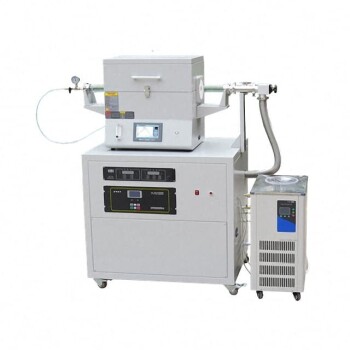
The carbonization of biomass requires a high-precision electric heating tube furnace and nitrogen flow to transform organic matter into structured carbon without it burning away. This equipment provides a strictly controlled, oxygen-free environment where high temperatures trigger pyrolysis—a process that breaks down volatile compounds and enriches carbon content—rather than simple combustion.
Core Takeaway: By combining precise thermal control with an inert nitrogen atmosphere, the tube furnace ensures that biomass undergoes a selective chemical transformation into high-quality biochar or graphitized carbon instead of being reduced to ash through oxidation.
The Role of Precise Thermal Control
Facilitating Controlled Pyrolysis
A high-precision furnace provides the stable thermal environment (ranging from 400°C to over 1000°C) necessary for pyrolysis. This process triggers the selective thermal degradation of cellulose, hemicellulose, and lignin through chemical reactions like dehydration and decarboxylation.
Controlling Structural Evolution
Precise temperature ramps are decisive for the formation of micropores and graphitic structures. Maintaining a steady temperature ensures that the resulting carbon materials possess a stable skeleton, specific surface areas, and the necessary functional group attachment sites for advanced applications like catalysis.
Enabling Chemical Consistency
High-precision heating prevents "hot spots" or temperature fluctuations that could lead to uneven carbonization. This uniformity is essential for producing materials with consistent chemical stability and predictable physical properties, such as nano-carbon spheres or graphene-like sheets.
The Function of Nitrogen Flow
Establishing an Inert Atmosphere
The continuous introduction of nitrogen flow (often at specific rates like 50 cm³/min) creates an inert protective environment. By displacing oxygen, the nitrogen ensures that the biomass is shielded from the atmosphere during high-intensity thermal treatment.
Preventing Oxidative Combustion
Without nitrogen, biomass would undergo oxidative combustion—essentially catching fire and turning into ash. The nitrogen flow allows the material to reach extreme temperatures (even up to 1600°C) while remaining in a solid, carbon-rich state rather than being consumed by flames.
Removal of Volatile Components
The flowing gas helps to continuously sweep away the volatile components released during the heating process. This constant removal prevents secondary reactions between the bio-carbon and the released gases, facilitating the enrichment of the solid carbon residue.
Understanding the Trade-offs and Pitfalls
Gas Flow Rate Sensitivity
If the nitrogen flow rate is too low, residual oxygen may remain, leading to partial oxidation and loss of carbon yield. Conversely, excessively high flow rates can cause significant heat loss or "quench" the reaction zone, making it difficult to maintain the high-precision temperature required.
Purity and Cost Considerations
Using industrial-grade nitrogen is common, but for high-end carbon materials, high-purity nitrogen or argon may be required. While high-purity gases prevent trace oxidation, they significantly increase the operational cost of the carbonization process.
Temperature Overshoot Risks
High-precision furnaces are designed to avoid temperature overshoot, which can collapse delicate pore structures. If the furnace control system is not finely tuned, the biomass may over-carbonize, leading to a loss of the specific functional groups needed for chemical reactivity.
Applying This Process to Your Material Goals
Making the Right Choice for Your Goal
To achieve the best results in biomass carbonization, your furnace settings and gas flow must align with your desired end product.
- If your primary focus is high-surface-area biochar: Prioritize a steady nitrogen flow and moderate temperatures (400°C–600°C) to maximize pore development without collapsing the structure.
- If your primary focus is graphitized carbon or conductivity: Use higher temperatures (above 900°C) and precise ramping to encourage the formation of highly ordered, stable graphitic layers.
- If your primary focus is nitrogen-doping for catalysts: Maintain a strictly inert environment while introducing modifiers like urea, ensuring the nitrogen atoms integrate into the carbon framework rather than reacting with oxygen.
By mastering the balance between inert atmosphere and thermal precision, you transform raw biomass into a high-value, engineered carbon resource.
Summary Table:
| Feature | Role in Carbonization | Impact on Material |
|---|---|---|
| Precise Thermal Control | Facilitates controlled pyrolysis (400°C-1000°C+) | Ensures uniform chemical stability and micropore formation |
| Nitrogen Flow | Establishes a strictly inert, oxygen-free environment | Prevents oxidative combustion and loss of carbon yield |
| Volatile Removal | Sweeps away released gases during heating | Prevents secondary reactions for high-purity carbon residue |
| Temperature Ramping | Controls structural evolution and graphitization | Enables the creation of high-surface-area biochar or conductive carbon |
Optimize Your Carbonization Process with KINTEK
Achieving the perfect balance of thermal precision and atmospheric control is critical for high-quality material synthesis. KINTEK specializes in advanced laboratory equipment, offering a comprehensive range of high-temperature furnaces, including tube, muffle, rotary, vacuum, CVD, and atmosphere furnaces, all fully customizable to meet your unique research or production needs.
Whether you are developing high-surface-area biochar or advanced graphitized materials, our high-precision systems ensure consistent results every time. Contact KINTEK today to discuss your project requirements and discover how our expert thermal solutions can drive your innovation forward.
References
- Sarunpron Khruengsai, Siwatt Pongpiachan. Chemical characterization of activated carbon derived from Napier grass, rubber wood, bamboo, and hemp. DOI: 10.61435/ijred.2024.60502
This article is also based on technical information from Kintek Furnace Knowledge Base .
Related Products
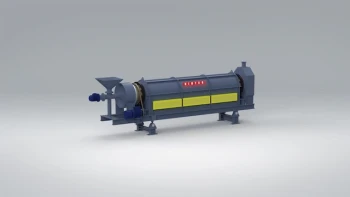
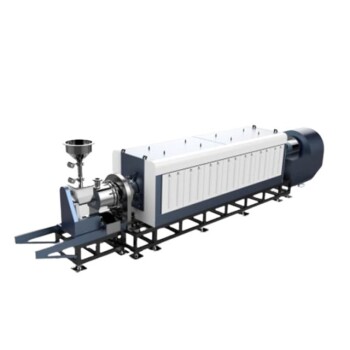
- Electric Rotary Kiln Small Rotary Furnace for Activated Carbon Regeneration
- 1200℃ Controlled Inert Nitrogen Atmosphere Furnace
- Electric Rotary Kiln Small Rotary Furnace Biomass Pyrolysis Plant Rotating Furnace
- Mesh Belt Controlled Atmosphere Furnace Inert Nitrogen Atmosphere Furnace
- Electric Rotary Kiln Continuous Working Small Rotary Furnace Kiln for Pyrolysis Plant Heating
People Also Ask
- What are the main applications of a rotary kiln electric furnace? Achieve Uniform Heat Treatment for Powders
- What are the key components of a rotary kiln electric furnace? Unlock Efficient Thermal Processing
- What is the significance of the refractory lining in a rotary kiln electric furnace? Unlock Efficiency and Longevity
- What advantages do electric rotary kilns offer over fuel-based kilns? Boost Efficiency and Purity in Your Process
- What materials can be processed in an electric rotary kiln? Versatile Solutions for Advanced Materials