Flexible graphite gaskets are the primary choice for sealing LiF-BeF2 molten salt experiments because they bridge the gap between mechanical pliability and extreme material resilience. These gaskets, when used with threaded titanium alloy caps, provide a reliable seal that withstands the harsh chemical and thermal conditions required to test molten salts within vanadium canisters.
Core Takeaway Reliable containment in molten salt research depends on materials that do not degrade under thermal stress or chemical attack. Flexible graphite gaskets are utilized because they maintain sealing integrity during repeated heating cycles, effectively isolating corrosive salts from the external environment.
The Critical Role of Material Properties
To understand why flexible graphite is selected over other sealing materials, you must look at the specific demands of the LiF-BeF2 environment.
Withstanding High Temperatures
Molten salt experiments operate at elevated temperatures that would melt or degrade standard elastomeric seals (like rubber or silicone).
Flexible graphite retains its structural integrity and sealing capability at these extreme heat levels. This ensures the seal remains tight even as the system reaches the melting point of the salt mixture.
Resistance to Chemical Corrosion
LiF-BeF2 is a chemically aggressive salt mixture.
The graphite material is chemically inert regarding this specific salt composition. It prevents the salt from eating through the seal, ensuring the vanadium canister retains its contents without leaking hazardous material into the test chamber.
Operational Reliability Under Stress
Beyond basic material compatibility, the gasket must perform dynamically during the experiment.
Stability During Thermal Cycling
Experiments often involve multiple rounds of heating and cooling (thermal cycles).
Materials expand and contract at different rates during these cycles. Flexible graphite is compliant enough to maintain contact between the canister and the cap, preventing gaps from forming as the temperature fluctuates.
Environmental Isolation
The primary reference indicates these experiments occur in a 1 bar argon environment.
The gasket serves a dual purpose here: it keeps the salt inside the canister and prevents the external atmosphere (even if it is inert argon) from interacting with the salt chemistry in unintended ways. It ensures the internal test environment remains pure.
Understanding the System Dependencies
While flexible graphite is excellent, it does not function in isolation. It is part of a broader assembly system that must be managed correctly.
Reliance on Mechanical Compression
The gasket requires physical compression to create a seal.
As noted in the reference, these gaskets are used in conjunction with threaded titanium alloy caps. The cap provides the necessary mechanical force to compress the graphite, filling the micro-voids between sealing surfaces. Without this high-strength mechanical backing, the graphite cannot seal effectively.
The Necessity of an Inert Atmosphere
The reference specifies usage within an argon environment.
While graphite is heat resistant, it can oxidize (burn) if exposed to oxygen at high temperatures. Therefore, utilizing these gaskets requires a controlled, inert atmosphere (like argon) to prevent the gasket itself from degrading over time.
Making the Right Choice for Your Experiment
To replicate the success of these sealing systems, you must match the gasket material to your specific operational parameters.
- If your primary focus is Containment Security: Ensure your graphite gaskets are paired with high-strength threaded caps (e.g., titanium) to maintain constant compression during thermal expansion.
- If your primary focus is Chemical Purity: Verify that your graphite grade is high-purity to prevent introducing carbon contaminants into your LiF-BeF2 melt.
By combining flexible graphite with robust mechanical clamping and an inert atmosphere, you ensure a leak-free, chemically stable environment for molten salt research.
Summary Table:
| Feature | Benefit for LiF-BeF2 Experiments |
|---|---|
| Chemical Inertness | Resists corrosive attack from aggressive molten salt mixtures. |
| Thermal Stability | Maintains structural integrity at extreme melting point temperatures. |
| Pliability | Compensates for thermal expansion and contraction during cycling. |
| Atmospheric Isolation | Prevents contamination and leaks within 1 bar argon environments. |
Secure Your High-Temperature Research with KINTEK
Precise sealing is critical for the safety and integrity of molten salt experiments. KINTEK provides the specialized equipment needed to support your most demanding material science challenges. Backed by expert R&D and manufacturing, we offer high-performance Muffle, Tube, Rotary, Vacuum, and CVD systems, alongside customizable lab high-temp furnaces tailored to your unique research specifications.
Ensure your lab is equipped for excellence—contact our technical experts today to discuss your project requirements.
References
- Jisue Moon, Theodore M. Besmann. Density Measurements of Molten LiF–BeF<sub>2</sub> and LiF–BeF<sub>2</sub>–LaF<sub>3</sub> Salt Mixtures by Neutron Radiography. DOI: 10.1021/acsomega.4c01446
This article is also based on technical information from Kintek Furnace Knowledge Base .
Related Products
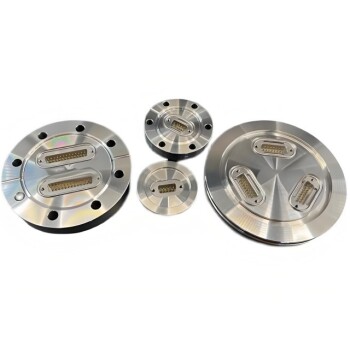
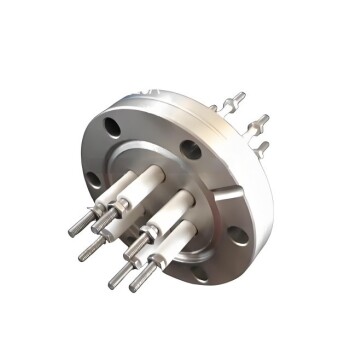
- Ultra-High Vacuum Flange Aviation Plug Glass Sintered Airtight Circular Connector for KF ISO CF
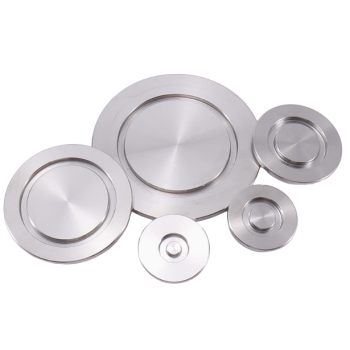
- Stainless Steel KF ISO Vacuum Flange Blind Plate for High Vacuum Systems
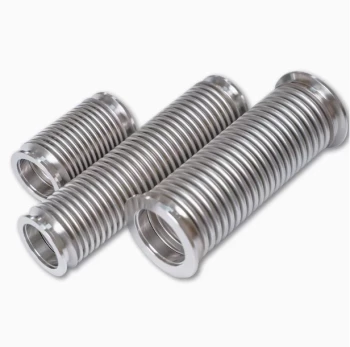
- High Performance Vacuum Bellows for Efficient Connection and Stable Vacuum in Systems
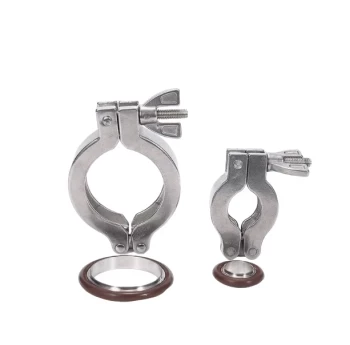
- Stainless Steel Quick Release Vacuum Chain Three Section Clamp
- CF KF Flange Vacuum Electrode Feedthrough Lead Sealing Assembly for Vacuum Systems
People Also Ask
- Why is an Ultra-High Vacuum (UHV) System Required for In2Se3? Achieving Atomic-Level Ferroelectric Clarity
- What is the function of PTFE sealing rings in plastic pyrolysis? Ensure Safe, Anaerobic Material Decomposition
- Why is a PTFE-lined stainless steel autoclave used for Ni12P5 synthesis? Key Benefits for Nanomaterial Production
- What is the function of a Teflon-lined stainless steel autoclave in the hydrothermal synthesis of Bi2O3 precursors?
- Why is a stainless steel autoclave with a Teflon liner necessary for BiVO4? Ensure Purity & High Performance