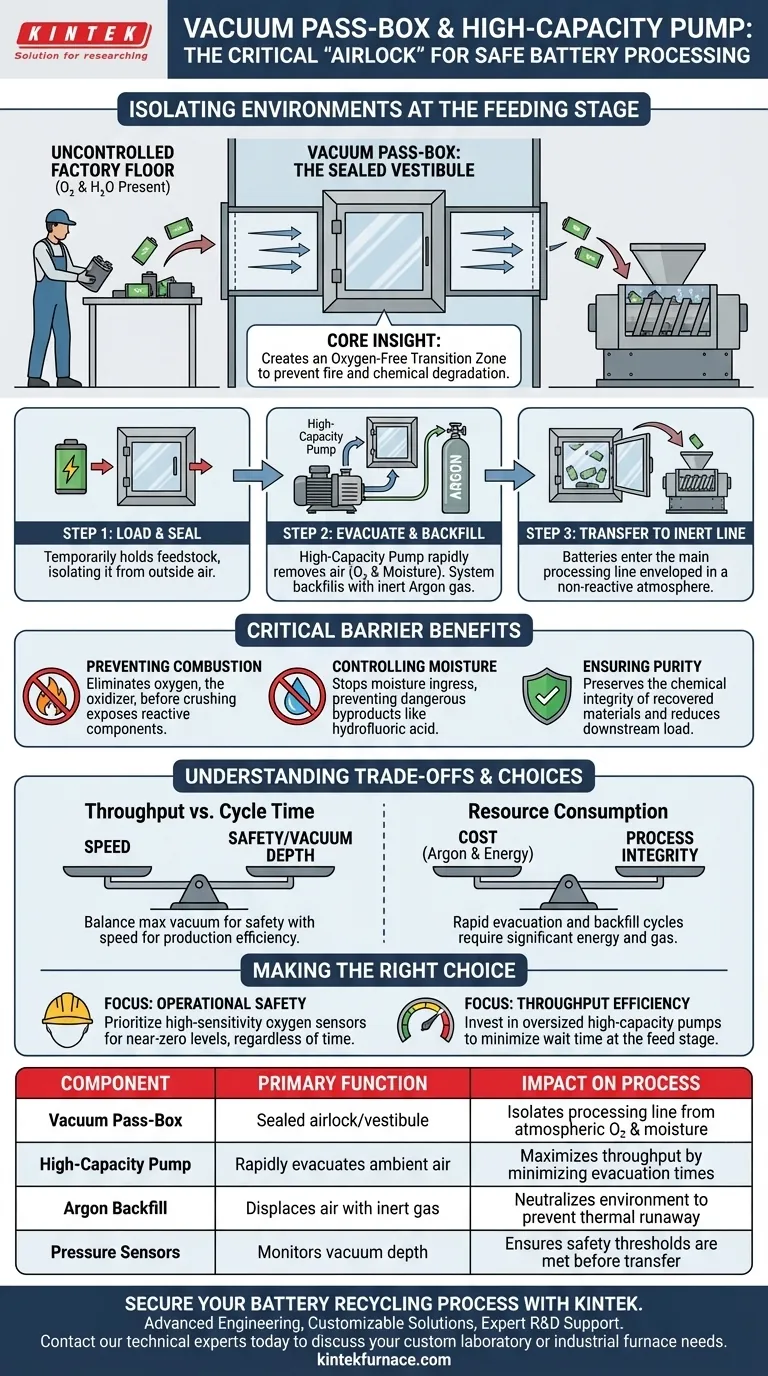
In the context of spent lithium-ion battery processing, a vacuum pass-box and a high-capacity vacuum pump function as a critical "airlock" system at the feeding stage. Together, they mechanically isolate the external environment from the internal processing line, ensuring that materials are transferred without introducing atmospheric contaminants.
Core Insight By establishing an oxygen-free transition zone, this system mitigates the risk of fire and chemical degradation. It evacuates ambient air and backfills the chamber with inert gas, preserving the integrity of the controlled atmosphere required for safe crushing and drying.

Creating the Oxygen-Free Transition Zone
The Mechanism of the Vacuum Pass-Box
The vacuum pass-box serves as a sealed vestibule between the uncontrolled factory floor and the sensitive internal processing chamber.
Its primary role is to hold the battery feedstock temporarily while the atmosphere around the batteries is manipulated.
This prevents the direct opening of the main chamber to the outside air, which would immediately compromise the facility's inert environment.
The Role of the High-Capacity Vacuum Pump
The high-capacity vacuum pump acts as the engine of this transition zone, rapidly evacuating ambient air from the pass-box once it is loaded and sealed.
Using a high-capacity pump is essential to achieve a deep vacuum quickly, maintaining high processing throughput without creating a bottleneck at the feed point.
This rapid evacuation removes oxygen and ambient moisture that are naturally present in the air surrounding the batteries.
The Argon Backfill Process
Once the air is evacuated, the system backfills the pass-box with high-purity argon gas.
Because argon is inert, it neutralizes the environment surrounding the spent batteries before the inner door opens to the main processing line.
This step ensures that when the material finally enters the crushing stage, it is enveloped in a stable, non-reactive atmosphere.
Why This Barrier is Critical
Preventing Combustion Events
The crushing stage of battery recycling exposes highly reactive internal components, including lithium metal and flammable electrolytes.
If oxygen were allowed to enter through the feeding stage, the mechanical energy of crushing could trigger immediate thermal runaway or combustion.
The vacuum pass-box eliminates the oxidizer (oxygen) from the equation, rendering the crushing process significantly safer.
Controlling Moisture Ingress
Lithium-ion battery chemistries are extremely sensitive to moisture, which can lead to the formation of dangerous byproducts like hydrofluoric acid.
The primary reference notes that the pass-box acts as a specific barrier to prevent moisture from reaching the subsequent drying stages.
By stopping moisture at the entry point, the system reduces the load on downstream drying equipment and preserves the chemical value of the recovered materials.
Understanding the Trade-offs
Throughput vs. Cycle Time
A vacuum pass-box introduces a pulsed, batch-like stop in what might otherwise be a continuous process.
The time required to pull a vacuum and backfill with argon creates a constraint on how fast batteries can be fed into the system.
Operators must balance the need for a deep vacuum (maximum safety) with the need for speed (production efficiency).
Resource Consumption
The "evacuate and backfill" cycle consumes significant quantities of argon gas, which is an operational cost.
Furthermore, the high-capacity pumps require substantial energy to rapidly depressurize the chamber repeatedly.
Leaks or poor seal integrity in the pass-box can lead to skyrocketing gas costs and compromised safety margins.
Making the Right Choice for Your Goal
To ensure your processing line remains safe and efficient, consider the following:
- If your primary focus is Operational Safety: Prioritize high-sensitivity sensors within the pass-box to verify Oxygen levels are near zero before the inner gate opens, regardless of cycle time.
- If your primary focus is Throughput Efficiency: Invest in oversized high-capacity pumps to reduce the time required to reach the target vacuum level, minimizing the "wait time" at the feed stage.
The vacuum pass-box is not just a door; it is the primary gatekeeper that dictates the safety and chemical purity of your entire recycling operation.
Summary Table:
| Component | Primary Function | Impact on Process |
|---|---|---|
| Vacuum Pass-Box | Acts as a sealed airlock/vestibule | Isolates processing line from atmospheric oxygen and moisture |
| High-Capacity Pump | Rapidly evacuates ambient air | Maximizes throughput by minimizing evacuation cycle times |
| Argon Backfill | Displaces air with inert gas | Neutralizes the environment to prevent thermal runaway during crushing |
| Pressure Sensors | Monitors vacuum depth | Ensures safety thresholds are met before material transfer |
Secure Your Battery Recycling Process with KINTEK
Transitioning to large-scale lithium-ion battery processing requires uncompromising safety and precision. KINTEK provides the specialized equipment needed to manage reactive environments effectively.
Our value to you:
- Advanced Engineering: Our Vacuum and CVD systems are designed to integrate seamlessly into inert-gas processing lines.
- Customizable Solutions: We offer custom Muffle, Tube, and Rotary high-temp furnaces tailored to your unique throughput and safety requirements.
- Expert R&D Support: Benefit from our extensive manufacturing experience in lithium-ion recovery and material science.
Ready to optimize your feeding stage and eliminate combustion risks? Contact our technical experts today to discuss your custom laboratory or industrial furnace needs.
Visual Guide
References
- Sung-Hoon Jung, Jei‐Pil Wang. Development of a discharge-free pre-treatment device for spent lithium-ion batteries under an inert atmosphere. DOI: 10.53894/ijirss.v8i9.10684
This article is also based on technical information from Kintek Furnace Knowledge Base .
Related Products
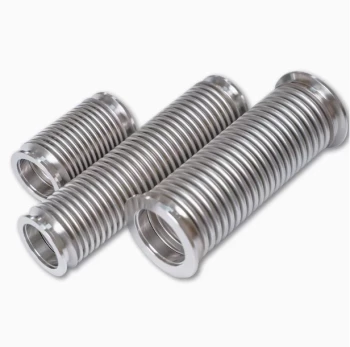
- High Performance Vacuum Bellows for Efficient Connection and Stable Vacuum in Systems
- Vacuum Hot Press Furnace Machine Heated Vacuum Press
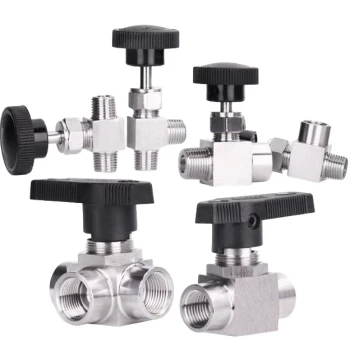
- 304 316 Stainless Steel High Vacuum Ball Stop Valve for Vacuum Systems
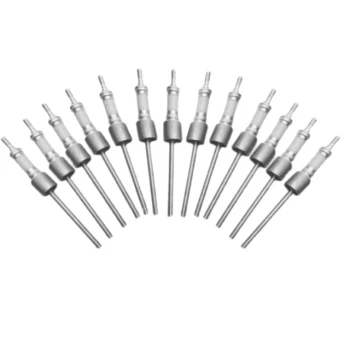
- Ultra Vacuum Electrode Feedthrough Connector Flange Power Lead for High Precision Applications
- Ultra High Vacuum Observation Window Stainless Steel Flange Sapphire Glass Sight Glass for KF
People Also Ask
- Why is an Ultra-High Vacuum (UHV) System Required for In2Se3? Achieving Atomic-Level Ferroelectric Clarity
- Why is an environmental laboratory chamber equipped with an optical window required for synthesizing Hafnium Carbide?
- What role does a closed pressure vessel play during the carbonation of gamma-C2S? Unlock Rapid Mineralization
- Why are desiccators containing saturated salt solutions used when evaluating the hygroscopicity of modified wood?
- How does the pressure environment affect the metallic thermal reduction for titanium? Master Precision Control