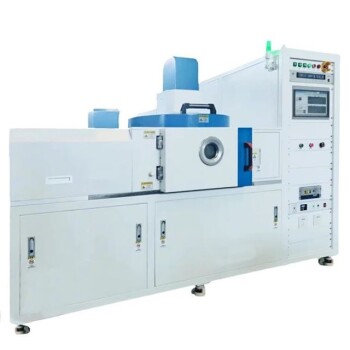
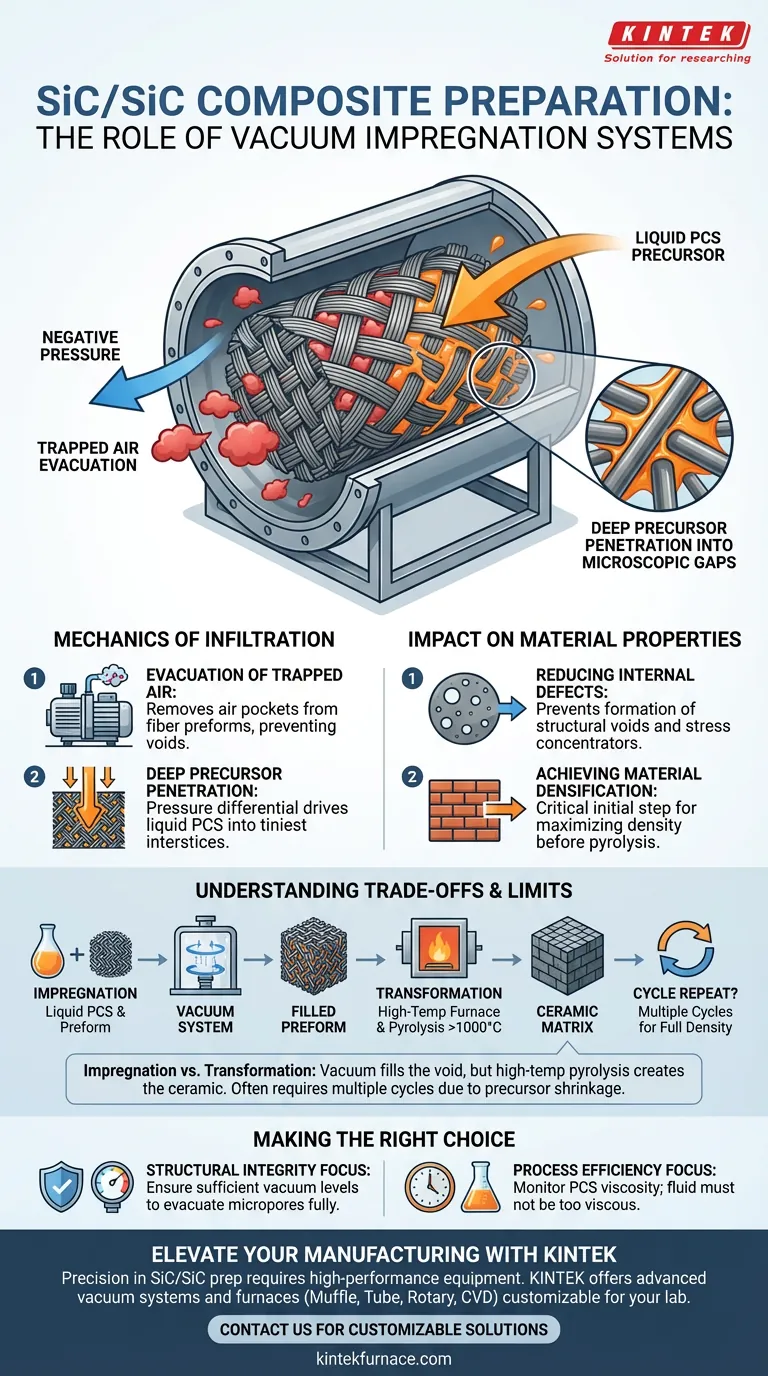
The vacuum impregnation system functions as a critical infiltration tool designed to overcome the physical barriers of fiber reinforcement. In the specific context of SiC/SiC composite preparation, its role is to create a negative pressure environment that evacuates trapped air from continuous silicon carbide fiber preforms. This evacuation allows liquid polycarbosilane (PCS) precursors to deeply penetrate the microscopic gaps between fiber bundles, a feat impossible under standard atmospheric pressure.
Core Takeaway: By replacing air pockets with liquid matrix precursors, vacuum impregnation acts as the defining step for achieving material densification. It creates the necessary conditions for a coherent, low-defect composite structure prior to high-temperature ceramization.
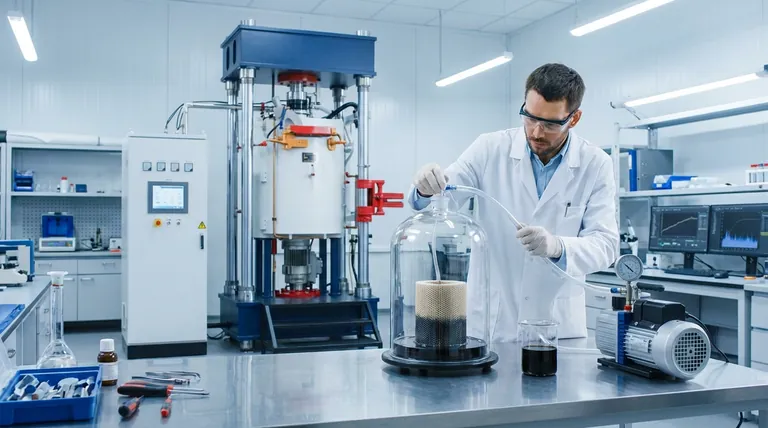
The Mechanics of Infiltration
Evacuation of Trapped Air
The primary obstacle in composite manufacturing is air trapped within the complex weave of the fiber preform.
The vacuum impregnation system removes this air from the continuous silicon carbide fiber preforms. Without this step, air pockets would remain occupied by gas rather than the matrix material, leading to voids in the final product.
Deep Precursor Penetration
Once the air is evacuated, the system facilitates the flow of liquid polycarbosilane (PCS).
The negative pressure environment creates a pressure differential that drives the liquid PCS into the tiniest interstices between fiber bundles. This ensures the reinforcement phase is fully coated and physically integrated with the matrix precursor.
Impact on Material Properties
Reducing Internal Defects
The structural integrity of a composite is defined by its weakest point.
By ensuring the liquid PCS fills the gaps between fibers, the system drastically reduces internal pore defects. This process prevents the formation of structural voids that would otherwise act as stress concentrators during mechanical loading.
Achieving Material Densification
Densification is the process of minimizing porosity to maximize strength and thermal properties.
Vacuum impregnation is the critical initial step in this process. By maximizing the volume of precursor material inside the preform before curing, it sets the stage for a denser final ceramic matrix after the subsequent pyrolysis steps.
Understanding the Trade-offs
Impregnation vs. Transformation
It is vital to distinguish between filling the void and creating the ceramic.
Vacuum impregnation ensures the liquid is in the right place, but it does not convert the material into ceramic. As noted in the broader processing context, the actual conversion of PCS to a silicon carbide matrix requires a subsequent step in a high-temperature vacuum tube furnace (typically >1000°C) to induce pyrolysis.
The Limits of a Single Cycle
While vacuum impregnation provides superior penetration compared to simple immersion, it is rarely a "one-and-done" solution.
The precursor materials often shrink during the conversion to ceramic. Therefore, while the vacuum system ensures excellent initial filling, the process often requires multiple impregnation-pyrolysis cycles to achieve full theoretical density.
Making the Right Choice for Your Goal
To maximize the effectiveness of your SiC/SiC composite preparation, focus on these operational priorities:
- If your primary focus is Structural Integrity: Ensure your vacuum levels are sufficient to evacuate micropores fully; trapped air at this stage will become permanent defects after curing.
- If your primary focus is Process Efficiency: Monitor the viscosity of your PCS precursor; even the best vacuum system cannot force a fluid that is too viscous into microscopic fiber gaps.
The vacuum impregnation system is not merely about wetting the fibers; it is the fundamental mechanism that safeguards the composite against porosity-induced failure.
Summary Table:
| Feature | Function in SiC/SiC Preparation | Impact on Final Composite |
|---|---|---|
| Negative Pressure | Evacuates trapped air from fiber preforms | Eliminates structural voids and gas pockets |
| Pressure Differential | Forces PCS precursor into microscopic gaps | Ensures full fiber coating and integration |
| Precursor Penetration | Deep infiltration of dense fiber weaves | Maximizes material densification |
| Void Reduction | Prevents formation of internal defects | Enhances mechanical strength and thermal stability |
Elevate Your Composite Manufacturing with KINTEK
Precision in SiC/SiC composite preparation demands high-performance equipment that guarantees material integrity. Backed by expert R&D and manufacturing, KINTEK offers advanced vacuum systems, Muffle, Tube, Rotary, and CVD furnaces—all customizable to meet your unique lab requirements.
Whether you are focusing on maximizing structural densification or refining high-temperature pyrolysis, our systems provide the control you need to eliminate defects and ensure superior results.
Ready to optimize your lab's high-temperature processes? Contact us today to find the perfect customizable solution!
Visual Guide
References
- Surface Processing and Characterization of Stoichiometry-Varied BaZrS<sub>3</sub> Thin Films. DOI: 10.1021/acsaem.5c01766
This article is also based on technical information from Kintek Furnace Knowledge Base .
Related Products
- Vacuum Induction Melting Furnace
- Vacuum Hot Press Furnace Machine for Lamination and Heating
- Vacuum Heat Treat Sintering Furnace with Pressure for Vacuum Sintering
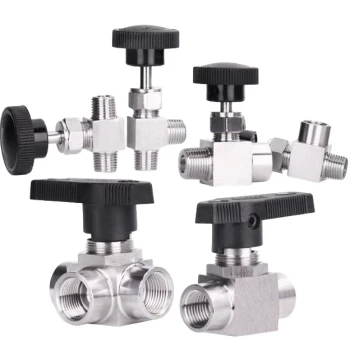
- 304 316 Stainless Steel High Vacuum Ball Stop Valve for Vacuum Systems
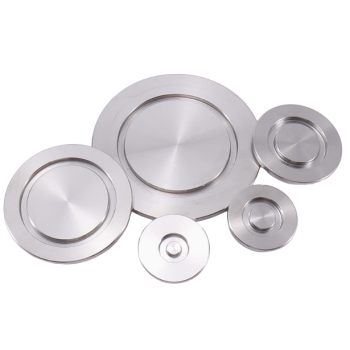
- Stainless Steel KF ISO Vacuum Flange Blind Plate for High Vacuum Systems
People Also Ask
- What are the core functions of the High Vacuum Induction Melting (VIM) furnace? Optimize DD5 Superalloy Purification
- What role does a Vacuum Induction Melting furnace play in the production of high-aluminum nickel-based superalloys?
- Why is a Vacuum Induction Melting furnace (VIM) used for Cu-Zn-Al-Sn alloys? Achieve Precision Composition Control
- What are the advantages of using a VIM furnace to control residual oxygen pressure? Achieve Superior Metal Uniformity
- What are the technical advantages of using a Vacuum Induction Melting furnace in the development of advanced packaging steel?