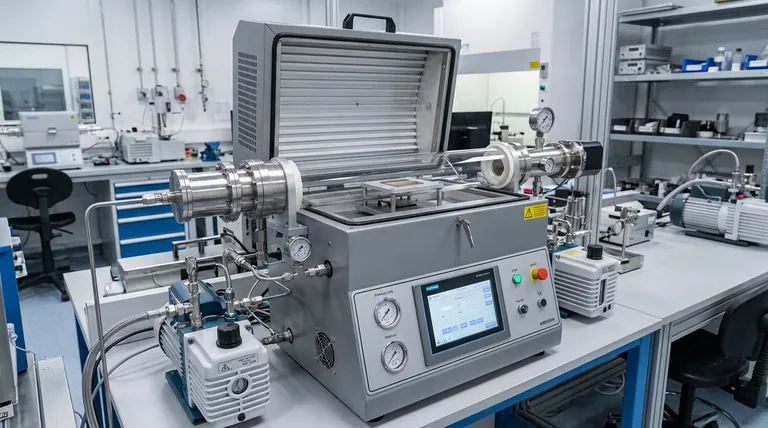
The high vacuum pump system serves as the critical gatekeeper for reaction purity and structural control in Chemical Vapor Deposition (CVD) graphene synthesis. Its primary function is twofold: to completely evacuate atmospheric contaminants—specifically oxygen and water vapor—before heating begins, and to maintain a precise, stable low-pressure environment during the carbon deposition phase.
Core Insight: The vacuum system acts as the primary control lever for graphene quality. It does not merely empty the chamber; it defines the thermodynamic environment necessary to prevent substrate oxidation and strictly regulates the deposition rate, which determines whether the final product is a pristine single-layer film or defective multi-layer carbon.
Establishing the Reaction Baseline (Pre-Process)
The first phase of the vacuum system's operation occurs before the reaction starts. This is the foundation of process integrity.
Eliminating Atmospheric Interference
Before heating, the pump must completely exhaust air from the furnace chamber and pipelines. The primary goal is to lower background pressure to an extremely low level, effectively stripping away oxygen and water vapor. If these elements remain, they will chemically interfere with the carbon precursors, compromising the purity of the reaction atmosphere.
Preventing Substrate Oxidation
Achieving a base pressure of approximately 195 mTorr is a critical prerequisite. This deep evacuation is necessary to protect the metal substrate (typically copper foil) from oxidizing during the heating phase. If the copper oxidizes before graphene growth begins, the catalytic properties of the surface are altered, degrading the quality of the resulting graphene film.
Controlling Growth Dynamics (During Process)
Once the reaction begins, the pump shifts roles from evacuation to active regulation.
Regulating Deposition Rate and Thickness
During the growth phase, the vacuum system works in tandem with pressure regulation devices to maintain a consistent low-pressure environment. This stability allows for precise control over the deposition rate of carbon atoms. By managing the pressure, operators can influence the number of graphene layers formed, enabling the production of large-area, single-layer films with atomic-level precision.
Managing Reaction Byproducts
The exhaust system facilitates the continuous removal of residual reaction gases and byproducts generated during the decomposition of precursors like methane. This ensures that the chemical composition within the chamber remains constant throughout the growth cycle, preventing the buildup of waste gases that could destabilize the reaction.
Understanding the Operational Trade-offs
While high vacuum is essential, the system introduces specific maintenance challenges that must be managed to ensure longevity.
Dealing with Particulate Clogging
The reaction process often generates powder byproducts. These particulates can clog vacuum lines and damage the pump mechanism itself. To mitigate this, filtration units (often using glass fiber) are employed to intercept solids. The trade-off is that these filters add resistance to the flow and require regular maintenance to prevent pressure fluctuations that could ruin a graphene batch.
Balancing Exhaust and Safety
The vacuum system is also the final barrier for environmental safety. It must effectively route exhaust gases through treatment systems. Ensuring the pump is powerful enough to maintain chamber vacuum while pushing against the back-pressure of filtration and treatment systems is a critical balancing act in system design.
Making the Right Choice for Your Goal
When configuring or operating a CVD vacuum system, prioritize your settings based on the specific parameters of the graphene you wish to produce.
- If your primary focus is Film Purity and Defect Reduction: Prioritize the pre-evacuation phase, ensuring the system reaches the lowest possible base pressure (e.g., 195 mTorr) to eliminate all traces of oxygen before heating the substrate.
- If your primary focus is Layer Control (Single vs. Bilayer): Focus on the pressure regulation capabilities during the growth phase, as stable dynamic pressure is the key variable that dictates the speed of carbon deposition and layer stacking.
Ultimately, the vacuum pump is not just peripheral equipment; it is the active regulator that dictates the structural integrity of the final graphene material.
Summary Table:
| Function | Core Purpose | Key Impact on Graphene |
|---|---|---|
| Pre-Evacuation | Removes O2 and H2O vapor | Prevents substrate oxidation & ensures film purity |
| Base Pressure Control | Reaches ~195 mTorr | Establishes the thermodynamic baseline for growth |
| Growth Regulation | Maintains stable low-pressure | Controls deposition rate and layer thickness (Single/Multi) |
| Byproduct Removal | Exhausts residual gases | Prevents waste buildup and maintains reaction stability |
| Particulate Filtration | Traps powder byproducts | Protects equipment and prevents pressure fluctuations |
Elevate Your Graphene Research with KINTEK
Precision in CVD graphene synthesis starts with a vacuum system you can trust. KINTEK provides expert-engineered solution including Muffle, Tube, Rotary, Vacuum, and CVD systems, all designed to achieve the rigorous pressure control required for single-layer film perfection.
Backed by industry-leading R&D and manufacturing, our high-temperature furnaces are fully customizable to meet your unique lab requirements. Don’t let atmospheric contaminants compromise your materials—partner with KINTEK for superior thermal processing.
Contact Our Experts Today to optimize your CVD setup!
References
- Mitigating Silicon Amorphization in Si–Gr Anodes: A Pathway to Stable, High‐Energy Density Anodes for Li‐Ion Batteries. DOI: 10.1002/smll.202504704
This article is also based on technical information from Kintek Furnace Knowledge Base .
Related Products
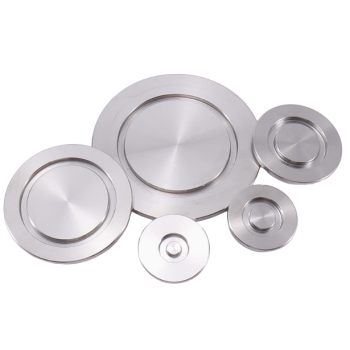
- Stainless Steel KF ISO Vacuum Flange Blind Plate for High Vacuum Systems
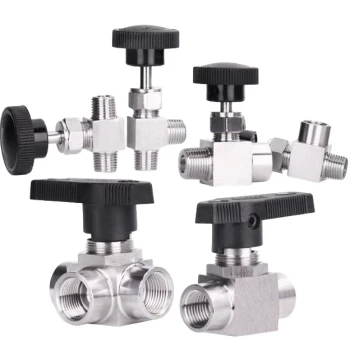
- 304 316 Stainless Steel High Vacuum Ball Stop Valve for Vacuum Systems
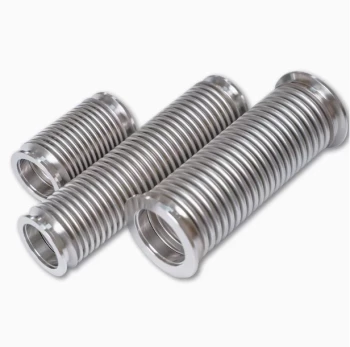
- High Performance Vacuum Bellows for Efficient Connection and Stable Vacuum in Systems
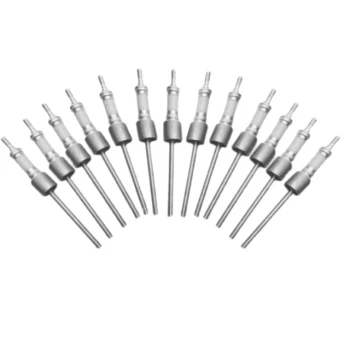
- Ultra Vacuum Electrode Feedthrough Connector Flange Power Lead for High Precision Applications
- Ultra-High Vacuum Flange Aviation Plug Glass Sintered Airtight Circular Connector for KF ISO CF
People Also Ask
- What is the function of PTFE sealing rings in plastic pyrolysis? Ensure Safe, Anaerobic Material Decomposition
- What role does a closed pressure vessel play during the carbonation of gamma-C2S? Unlock Rapid Mineralization
- Why are flexible graphite gaskets utilized for sealing in LiF-BeF2 molten salt experiments? High-Resilience Solutions
- What type of pump is used in water circulating vacuum pumps and how is it installed? Discover Robust Fluid-Based Vacuum Solutions
- What is the function of sealed quartz ampoules in Se80In5Te6Sb9 synthesis? Ensure Purity and Precision