The pressure environment acts as a fundamental control lever in the metallic thermal reduction process for titanium alloy preparation. By utilizing vacuum environments or strictly controlled pressure, operators can manipulate the chemical affinity between reducing agents (such as aluminum) and titanium sources (like rutile), directly influencing the success of the reduction.
By regulating the pressure environment, you gain precise authority over the reaction affinity between raw materials and reducing agents. This control is the deciding factor in ensuring effective reduction and producing high-quality, homogeneous titanium alloys.
The Mechanics of Pressure Control
Manipulating Chemical Affinity
The primary function of the pressure environment is to govern the affinity reaction. In a metallic thermal reduction, reducing agents like aluminum must chemically strip oxygen from titanium-rich ores.
A controlled vacuum or pressure setting optimizes the conditions under which these agents interact with the raw material. This ensures the chemical attraction is strong enough to drive the reaction forward efficiently.
Promoting Effective Reduction
Uncontrolled environments can lead to incomplete reactions where the titanium ore is not fully converted. The reference highlights that a specific pressure environment promotes effective reduction.
By maintaining the ideal pressure, the process maximizes the yield of metallic titanium from the raw ore. This prevents the waste of expensive raw materials and reducing agents.
Impact on Alloy Formation
Facilitating Molten Integration
Once the titanium is reduced, it must integrate with other molten metals to form an alloy. The pressure environment plays a critical role in this subsequent alloying phase.
A stable environment ensures that the newly reduced titanium dissolves uniformly into the molten metal. This prevents segregation and ensures the final alloy has consistent mechanical properties.
Ensuring High Quality
The ultimate goal of controlling pressure is the production of high-quality titanium alloys. Variations in pressure can lead to inconsistencies in the alloy's composition.
Precise control eliminates these variables, resulting in a product that meets strict industrial standards.
Understanding the Trade-offs
Complexity vs. Control
While vacuum environments offer superior control over reaction affinity, they introduce significant operational complexity. Maintaining a perfect vacuum or precise pressure requires advanced sealing and pumping systems.
Process Sensitivity
The reliance on "precise control" means the process is highly sensitive to equipment failure. Any fluctuation in pressure can disrupt the affinity reaction, potentially compromising the entire batch of alloy.
Making the Right Choice for Your Goal
To optimize your titanium alloy production, align your pressure strategy with your specific output requirements.
- If your primary focus is Reaction Efficiency: Utilize high-vacuum environments to maximize the chemical affinity between the aluminum reducing agent and the rutile ore.
- If your primary focus is Product Consistency: Implement rigid pressure monitoring systems to ensure the alloying process with molten metals remains stable and uniform throughout the batch.
Mastering the pressure environment is not just an operational detail; it is the key to unlocking the full potential of metallic thermal reduction.
Summary Table:
| Factor | Influence on Process | Impact on Final Alloy |
|---|---|---|
| Vacuum Level | Increases chemical affinity between reducing agents and ore. | Higher purity and more effective reduction. |
| Pressure Stability | Governs the integration of reduced titanium into molten metal. | Ensures compositional homogeneity and consistency. |
| Control Precision | Dictates the success of the affinity reaction. | Prevents material waste and segregation issues. |
| System Complexity | Requires advanced sealing and pumping technology. | Affects operational reliability and batch success. |
Elevate Your Titanium Processing with KINTEK
Precise pressure control is the difference between an incomplete reaction and a high-performance alloy. At KINTEK, we empower your production with industry-leading thermal solutions. Backed by expert R&D and manufacturing, we offer high-performance Muffle, Tube, Rotary, Vacuum, and CVD systems tailored for the rigorous demands of metallic thermal reduction. Our systems are fully customizable to your unique research or industrial needs, ensuring you achieve the exact chemical affinity required for superior titanium alloy preparation.
Ready to optimize your thermal processes? Contact us today to consult with our specialists!
References
- Yuhang Miao, Jinming Hu. Research Progress of Preparing Titanium Alloy By Molten Salt Method. DOI: 10.62051/ijnres.v2n1.30
This article is also based on technical information from Kintek Furnace Knowledge Base .
Related Products
- Multi Heating Zones CVD Tube Furnace Machine for Chemical Vapor Deposition Equipment
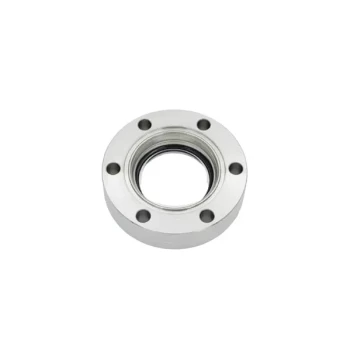
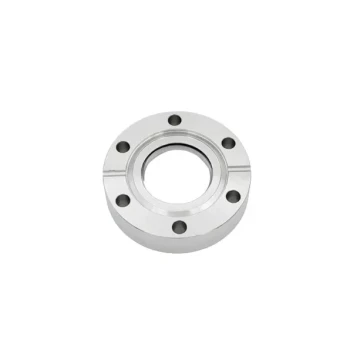
- Ultra High Vacuum CF Observation Window Flange with High Borosilicate Glass Sight Glass
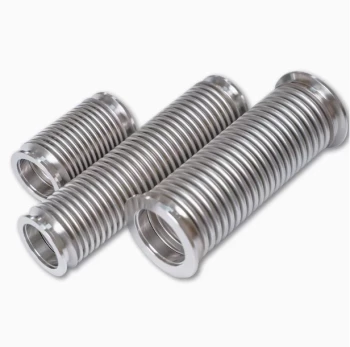
- High Performance Vacuum Bellows for Efficient Connection and Stable Vacuum in Systems
- Custom Made Versatile CVD Tube Furnace Chemical Vapor Deposition CVD Equipment Machine
- Slide PECVD Tube Furnace with Liquid Gasifier PECVD Machine
People Also Ask
- What is the function of a multi-zone tube furnace in CVD synthesis? Master 2D In2Se3 Nanosheet Precision
- What environmental protection applications utilize multi zone tube furnaces? Unlock Precision in Waste Treatment and Green Tech
- Why are multi zone tube furnaces particularly useful for nanomaterial research? Unlock Precise Thermal Control for Advanced Synthesis
- What temperature-related capabilities make multi zone tube furnaces valuable for research? Unlock Precision Thermal Control
- What role do multi zone tube furnaces play in new energy research? Unlock Precise Thermal Control for Innovation