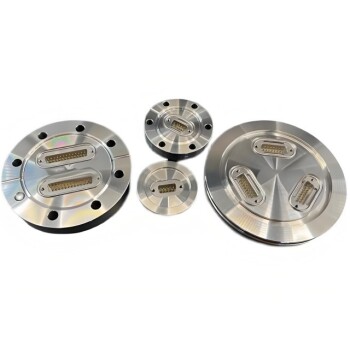
A laboratory vacuum pump system functions as the critical gatekeeper of material purity in the synthesis of TixNbMoTaW refractory alloys. It is primarily responsible for evacuating the furnace chamber to remove atmospheric contaminants—specifically oxygen, nitrogen, and moisture—before the melting process initiates. By establishing a high-vacuum environment, the system prevents catastrophic chemical reactions and embrittlement that would otherwise occur when these reactive metals are exposed to temperatures reaching several thousand degrees.
By eliminating reactive gases prior to heating, the vacuum pump system ensures the structural integrity of the alloy and provides the necessary contaminant-free foundation for subsequent inert gas-shielded melting.
Establishing the Process Environment
Evacuation of Atmospheric Contaminants
The primary role of the vacuum pump is to physically remove the air inside the furnace chamber.
This evacuation targets specific atmospheric elements—oxygen, nitrogen, and moisture—that are detrimental to alloy synthesis.
Without this removal, these gases remain present during the heating phase, ready to react with the raw materials.
Preventing Chemical Degradation
TixNbMoTaW alloys contain highly reactive elements, particularly Titanium (Ti) and Niobium (Nb), mixed with high-melting-point refractory metals like Tungsten (W) and Tantalum (Ta).
Processing these materials requires extreme temperatures, often exceeding several thousand degrees.
At these thermal extremes, the presence of even trace amounts of oxygen or nitrogen triggers severe chemical reactions, compromising the alloy's composition.
Mitigating Alloy Embrittlement
The most significant risk during the preparation of refractory alloys is embrittlement.
If the vacuum pump fails to achieve the necessary low-pressure threshold, dissolved gases will infiltrate the metal lattice.
This absorption causes the final TixNbMoTaW alloy to become brittle, rendering it structurally unsound and useless for high-performance applications.
Enabling Inert Gas Shielding
Preparing the "Clean Slate"
The vacuum pump system does not act alone; it prepares the stage for inert gas shielding.
It is impossible to effectively shield the melt with Argon if the chamber is full of residual air.
The pump must first create a high-vacuum baseline to ensure that when inert gas is introduced, the environment remains purely inert.
Ensuring Chemical Accuracy
By removing the variable of atmospheric interference, the vacuum system allows for precise control over the alloy's chemistry.
This ensures that the final material properties differ due to intentional alloying decisions, not accidental contamination.
Understanding the Operational Trade-offs
Ultimate Pressure vs. Process Time
Achieving a deeper vacuum level (lower pressure) results in higher purity but significantly extends the "pump-down" time required before melting can begin.
Researchers must balance the need for extreme purity against the efficiency of the preparation cycle.
Risk of Backstreaming
While mechanical pumps are essential for reducing pressure, they carry an inherent risk of oil backstreaming.
If the pump system is not properly trapped or maintained, pump oil vapor can migrate back into the furnace chamber.
This introduces hydrocarbon contamination, which can be just as damaging to the refractory alloy as the air the pump was meant to remove.
Making the Right Choice for Your Goal
To ensure the successful preparation of TixNbMoTaW alloys, evaluate your vacuum system based on your specific purity requirements.
- If your primary focus is Maximum Ductility: Prioritize a pump system capable of achieving the lowest possible ultimate pressure to minimize embrittlement risks.
- If your primary focus is Process Efficiency: Select a system with a high pumping speed to rapidly evacuate the chamber to an acceptable baseline before backfilling with Argon.
The vacuum pump is not merely a peripheral accessory; it is the prerequisite tool that makes the synthesis of high-quality refractory alloys physically possible.
Summary Table:
| Feature | Role in TixNbMoTaW Preparation | Impact on Final Alloy |
|---|---|---|
| Atmospheric Evacuation | Removes O2, N2, and moisture before heating | Prevents oxidation and chemical degradation |
| Pressure Control | Establishes high-vacuum baseline | Eliminates gas infiltration into the metal lattice |
| Inert Gas Preparation | Clears the chamber for Argon backfilling | Ensures a 100% pure inert environment |
| Contamination Guard | Prevents reactive gas exposure at high temps | Maintains ductility and structural integrity |
Elevate Your Material Synthesis with KINTEK
High-performance TixNbMoTaW alloys demand an uncompromising vacuum environment. At KINTEK, we understand that material purity is non-negotiable. Backed by expert R&D and manufacturing, we provide high-precision Vacuum, Muffle, Tube, and CVD systems designed to meet the rigorous demands of refractory metal processing.
Our systems are fully customizable to your specific pressure and temperature requirements, ensuring you achieve maximum ductility and chemical accuracy in every melt. Don't let atmospheric contamination compromise your research.
Contact KINTEK today to discuss your custom furnace needs
References
- Ruisheng Zhao, Chao Chang. Microstructure and Mechanical Properties of TixNbMoTaW Refractory High-Entropy Alloy for Bolt Coating Applications. DOI: 10.3390/coatings15020120
This article is also based on technical information from Kintek Furnace Knowledge Base .
Related Products
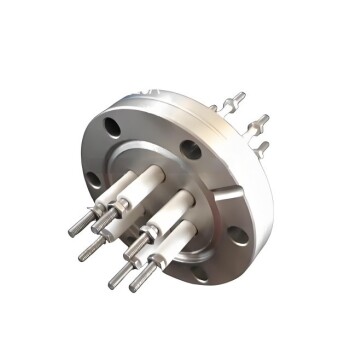
- CF KF Flange Vacuum Electrode Feedthrough Lead Sealing Assembly for Vacuum Systems
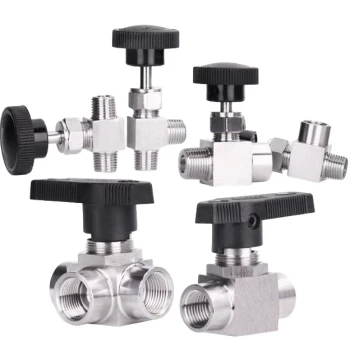
- 304 316 Stainless Steel High Vacuum Ball Stop Valve for Vacuum Systems
- Stainless Steel KF ISO Vacuum Flange Blind Plate for High Vacuum Systems
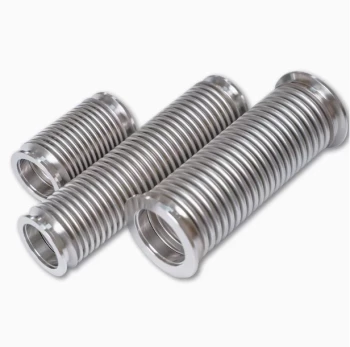
- High Performance Vacuum Bellows for Efficient Connection and Stable Vacuum in Systems
- Vacuum Hot Press Furnace Machine Heated Vacuum Press
People Also Ask
- Why is a vacuum sealing process necessary for the synthesis of TaAs2 single crystals? Ensuring Purity in CVT Method
- Why is a PTFE-lined stainless steel autoclave used for Ni12P5 synthesis? Key Benefits for Nanomaterial Production
- What is the function of PTFE sealing rings in plastic pyrolysis? Ensure Safe, Anaerobic Material Decomposition
- What is the function of a Teflon-lined stainless steel autoclave in the hydrothermal synthesis of Bi2O3 precursors?
- Why is a stainless steel autoclave with a Teflon liner necessary for BiVO4? Ensure Purity & High Performance