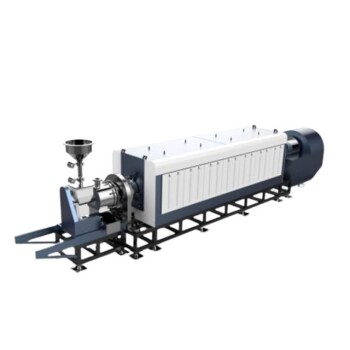
The multi-zone electric heating furnace is the essential tool for maintaining thermal uniformity across the distinct functional stages of a fluidized bed reactor. By providing independent thermal compensation for the preheating, combustion, and freeboard zones, these furnaces ensure that the reactor maintains a stable target temperature (typically 850°C to 950°C) despite localized exothermic reactions or fluctuations in feed.
Core Takeaway: Multi-zone furnaces eliminate internal temperature gradients by treating each section of the reactor as an independent thermal environment, which is vital for ensuring the accuracy and reproducibility of kinetic research and chemical looping processes.
Achieving Precision Through Independent Zone Control
The Necessity of Thermal Compensation
Fluidized bed reactors are not thermally homogenous environments; different sections perform different physical and chemical tasks. Independent thermal compensation allows operators to apply heat specifically where it is lost or required without overheating other sections.
Managing the Three Primary Zones
In a typical three-zone setup, the furnace manages the bottom preheating zone, the combustion zone, and the freeboard zone separately. This ensures the gas enters at the right temperature, the reaction stays stable, and the exiting vapors do not condense or degrade prematurely.
Simulating Industrial Conditions
Electric furnaces provide a precisely controllable thermal environment that can simulate the extreme heat required for biomass gasification. This allows researchers to test oxygen carriers under constant, high-temperature conditions ranging from 850°C to 950°C.
Ensuring Kinetic Rigor and Data Integrity
Preventing Local Temperature Gradients
Exothermic reactions within the combustion zone can create "hot spots" that skew experimental results. A multi-zone furnace can down-regulate heat in the combustion area while maintaining high temperatures in the preheating zone to keep the overall profile flat.
Compensating for Feed Fluctuations
When new material is introduced into the reactor, it often causes a temporary temperature drop. Zone-specific control allows the system to respond rapidly to these fluctuations, ensuring that the kinetic conditions of the experiment remain rigorous and unchanged.
Eliminating Condensation Risks
In some specialized reactor designs, maintaining a constant temperature (such as 90°C) is critical to prevent water condensation. By keeping the reactor walls and tubing above the dew point, the furnace ensures accurate fluid composition calculations and complete isotopic analysis.
Understanding the Trade-offs and Challenges
Increased System Complexity
While multi-zone furnaces offer superior control, they significantly increase the complexity of the control system. Each zone requires its own thermocouple and PID controller, which must be tuned to prevent the zones from "fighting" each other during heat-up.
Sensor Placement Sensitivity
The accuracy of a multi-zone system is entirely dependent on precise thermocouple placement. If a sensor is too far from the reactor wall or poorly positioned relative to the heating elements, the system may report a stable temperature while the internal process is actually fluctuating.
High Power Requirements and Cost
Multi-zone electric furnaces are generally more expensive to procure and maintain than single-zone units. The higher capital expenditure must be weighed against the need for high-fidelity data and the specific requirements of the chemical process being studied.
Making the Right Choice for Your Goal
How to Apply This to Your Project
Selecting the right furnace configuration depends on the sensitivity of your reaction and the scale of your research.
- If your primary focus is fundamental kinetic research: Utilize a three-zone furnace to ensure absolute thermal uniformity and eliminate variables caused by temperature gradients.
- If your primary focus is biomass gasification or reforming: Prioritize a high-temperature electric furnace capable of sustained operation between 850°C and 950°C to simulate realistic industrial environments.
- If your primary focus is preventing phase changes or condensation: Focus on a furnace system that emphasizes wall temperature stability and integrated heating for all connecting tubing.
By leveraging the independent control of a multi-zone furnace, you transform a volatile chemical environment into a stable, measurable, and highly repeatable scientific instrument.
Summary Table:
| Zone Type | Primary Function | Impact on Process Control |
|---|---|---|
| Preheating Zone | Gas & Feed Conditioning | Ensures reactants enter at the target temperature profile. |
| Combustion Zone | Reaction Management | Compensates for exothermic heat to prevent localized hot spots. |
| Freeboard Zone | Vapor Stabilization | Prevents premature condensation and ensures accurate fluid analysis. |
| Independent PID | Thermal Compensation | Allows rapid response to feed fluctuations without affecting other zones. |
Elevate Your Research with Precision Thermal Control
Maintaining rigorous kinetic data requires more than just heat—it requires control. KINTEK specializes in high-performance laboratory equipment, providing a comprehensive range of high-temperature furnaces, including muffle, tube, rotary, vacuum, CVD, atmosphere, and induction melting systems.
Whether you are conducting biomass gasification at 950°C or sensitive chemical looping experiments, our furnaces are fully customizable to meet the unique multi-zone requirements of your fluidized bed reactor. Don't let temperature gradients compromise your data integrity.
Contact KINTEK today to discuss your specific process requirements and let our experts design the perfect heating solution for your laboratory.
References
- Madiyar Aidabulov, Yerbol Sarbassov. Thermal Characterization, Kinetic Analysis and Co-Combustion of Sewage Sludge Coupled with High Ash Ekibastuz Coal. DOI: 10.3390/en16186634
This article is also based on technical information from Kintek Furnace Knowledge Base .
Related Products
- Multi Heating Zones CVD Tube Furnace Machine for Chemical Vapor Deposition Equipment
- Split Multi Heating Zone Rotary Tube Furnace Rotating Tube Furnace
- Custom Made Versatile CVD Tube Furnace Chemical Vapor Deposition CVD Equipment Machine
- Multi Zone Laboratory Quartz Tube Furnace Tubular Furnace
- Slide PECVD Tube Furnace with Liquid Gasifier PECVD Machine
People Also Ask
- What is the function of a multi-zone tube furnace in CVD synthesis? Master 2D In2Se3 Nanosheet Precision
- Why are multi zone tube furnaces particularly useful for nanomaterial research? Unlock Precise Thermal Control for Advanced Synthesis
- What environmental protection applications utilize multi zone tube furnaces? Unlock Precision in Waste Treatment and Green Tech
- What role do multi zone tube furnaces play in new energy research? Unlock Precise Thermal Control for Innovation
- What temperature-related capabilities make multi zone tube furnaces valuable for research? Unlock Precision Thermal Control