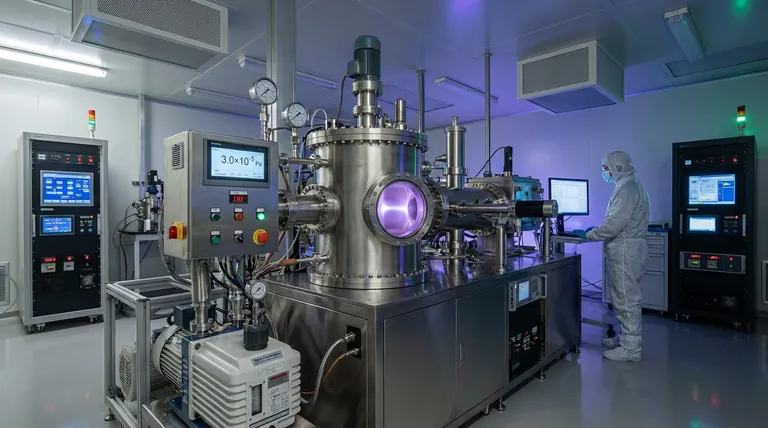
High-performance vacuum pumping is essential to create a chemically pure environment prior to the deposition of Diamond-Like Carbon (DLC) coatings. By reducing the base pressure to a critical threshold of 3.0 x 10^-5 Pa, the system maximizes the removal of residual air, moisture, and impurity gases, which ensures the stability of the plasma discharge and prevents active carbon atoms from reacting with contaminants.
Core Takeaway Achieving a high-performance vacuum is not merely about lowering pressure; it is about creating a "clean canvas" for the plasma. Removing impurities at the molecular level is the only way to guarantee that the active carbon atoms form the correct chemical bonds required for high-quality, pure DLC coatings.
The Imperative of Contaminant Removal
Eliminating the "Invisible" Barrier
Before deposition begins, the vacuum chamber is filled with atmospheric contaminants, primarily air molecules and moisture.
A high-performance pumping system is required to evacuate these elements aggressively. Without this step, these invisible impurities remain suspended in the chamber and on the substrate surface.
The Critical Pressure Threshold
The industry standard for a high-quality "base pressure" in this context is 3.0 x 10^-5 Pa.
Reaching this specific level of vacuum is the operational metric that signals the environment is sufficiently free of residual gases to proceed with deposition safely.
Preserving Chemical Integrity
Preventing Unwanted Reactions
The deposition process involves generating highly active carbon atoms.
If residual gases (like oxygen or nitrogen) are present, these active carbon atoms will react with the gas molecules rather than depositing onto the substrate. This reaction alters the chemical composition, introducing impurities that degrade the specific properties of the DLC coating.
Ensuring Plasma Stability
DLC deposition relies on a stable plasma discharge to transport material to the substrate.
Residual impurities in the vacuum chamber can cause fluctuations or instabilities in this plasma. A high-performance vacuum ensures a consistent discharge, which leads to a uniform and predictable coating structure.
Understanding the Trade-offs
Process Time vs. Coating Purity
Achieving a base pressure of 3.0 x 10^-5 Pa requires a longer "pump-down" time before the actual coating process can begin.
Operators must balance the need for extreme purity against manufacturing cycle times. Rushing this step increases throughput but inevitably risks the integrity of the coating composition.
Equipment Complexity and Cost
High-performance pumping systems capable of reaching ultra-high vacuum ranges are complex and expensive to maintain.
While they ensure superior coating quality, they represent a significant capital investment and higher operational costs compared to standard vacuum systems used for less sensitive applications.
Making the Right Choice for Your Goal
To maximize the performance of your DLC coatings, you must align your vacuum protocol with your quality requirements.
- If your primary focus is Coating Purity and Hardness: Prioritize reaching the full 3.0 x 10^-5 Pa base pressure to eliminate all potential chemical reactants.
- If your primary focus is Process Efficiency: Analyze the minimum vacuum level required for stable plasma, but acknowledge that any pressure above the benchmark introduces a risk of chemical impurities.
Ultimately, the quality of a DLC coating is defined before the deposition even starts—by the emptiness of the chamber.
Summary Table:
| Feature | Requirement for DLC | Impact on Coating Quality |
|---|---|---|
| Base Pressure | 3.0 x 10^-5 Pa | Minimizes residual air/moisture contamination |
| Plasma Stability | High-performance vacuum | Ensures uniform discharge and predictable structure |
| Chemical Purity | Removal of O2/N2 gases | Prevents active carbon from forming weak bonds |
| Substrate State | Molecularly clean surface | Enhances adhesion and coating hardness |
Elevate Your Thin Film Quality with KINTEK Precision
Don't let residual impurities compromise your Diamond-Like Carbon coatings. Achieving the critical 3.0 x 10^-5 Pa threshold requires specialized equipment designed for reliability and precision.
Backed by expert R&D and manufacturing, KINTEK offers high-performance Vacuum, CVD, and specialized high-temperature furnace systems, all fully customizable to meet your unique lab or production requirements. Whether you are focusing on maximum coating hardness or process efficiency, our team provides the technical expertise to optimize your vacuum environment.
Ready to achieve superior coating purity? Contact us today to find your custom solution.
References
- Mohammadamin Sadeghi, Fábio Ferreira. Influence of 1-Ethyl-3-methylimidazolium Diethylphosphate Ionic Liquid on the Performance of Eu- and Gd-Doped Diamond-like Carbon Coatings. DOI: 10.3390/lubricants12010018
This article is also based on technical information from Kintek Furnace Knowledge Base .
Related Products
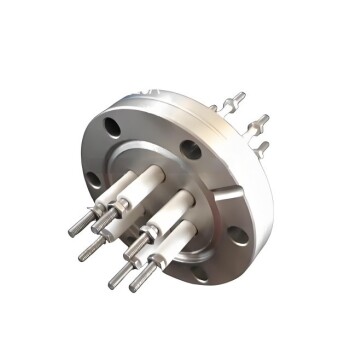
- CF KF Flange Vacuum Electrode Feedthrough Lead Sealing Assembly for Vacuum Systems
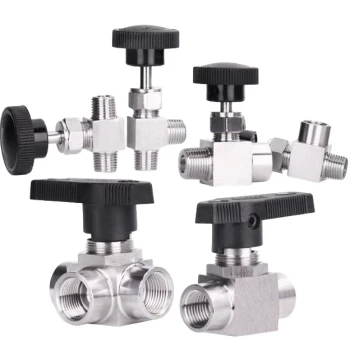
- 304 316 Stainless Steel High Vacuum Ball Stop Valve for Vacuum Systems
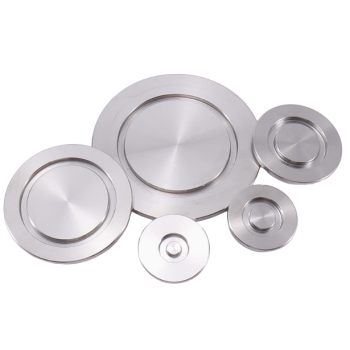
- Stainless Steel KF ISO Vacuum Flange Blind Plate for High Vacuum Systems
- Vacuum Induction Melting Furnace
- Vacuum Hot Press Furnace Machine Heated Vacuum Press
People Also Ask
- Why is a vacuum sealing process necessary for the synthesis of TaAs2 single crystals? Ensuring Purity in CVT Method
- Why is a PTFE-lined stainless steel autoclave used for Ni12P5 synthesis? Key Benefits for Nanomaterial Production
- What is the function of PTFE sealing rings in plastic pyrolysis? Ensure Safe, Anaerobic Material Decomposition
- What is the function of a Teflon-lined stainless steel autoclave in the hydrothermal synthesis of Bi2O3 precursors?
- Why is a stainless steel autoclave with a Teflon liner necessary for BiVO4? Ensure Purity & High Performance