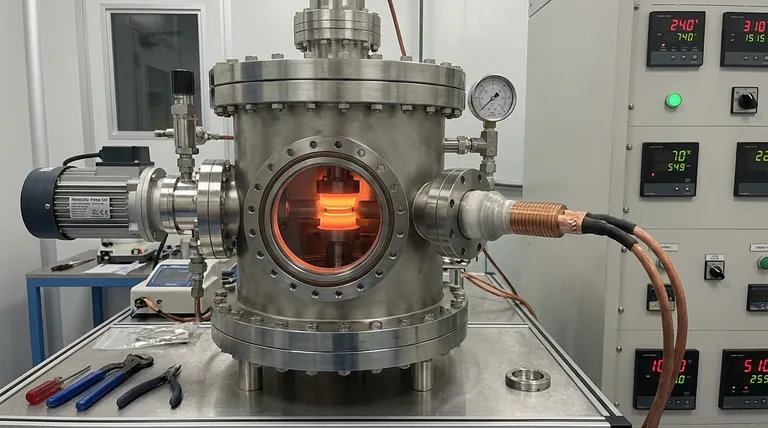
The function of the vacuum chamber is to create a high-purity environment that prevents chemical reactions during the heating phase. Specifically, it eliminates oxygen to stop the oxidation of the Inconel 718 base alloy and the BNi-2 interlayer, ensuring the materials remain chemically active for bonding.
Core Insight: The vacuum chamber is not merely a container; it is an active process variable. By maintaining an extremely low oxygen partial pressure, it guarantees the wettability of the molten interlayer, which is the absolute prerequisite for the atomic diffusion necessary to create a defect-free welded joint.
The Critical Role of Oxidation Prevention
Protecting Reactive Alloys
At the high temperatures required for Transient Liquid Phase (TLP) bonding, metal alloys become highly reactive.
The vacuum chamber protects the Inconel 718 alloy and the BNi-2 interlayer from atmospheric oxygen. Without this protection, these materials would rapidly form oxide layers that inhibit the bonding process.
Ensuring Surface Wettability
For a bond to form, the molten interlayer must spread effectively across the base metal.
Oxidation acts as a barrier, preventing this flow. The high-vacuum environment ensures the metal surfaces remain clean, facilitating excellent wettability of the molten interlayer on the base metal.
Enabling the Diffusion Mechanism
Facilitating Smooth Diffusion
TLP bonding relies on the movement of atoms (diffusion) between the interlayer and the base metal.
The vacuum environment facilitates a smooth diffusion process. By removing contaminants that would otherwise block atomic movement, the chamber allows the materials to homogenize effectively.
Achieving Defect-Free Joints
The ultimate output of this controlled environment is structural integrity.
By preventing gas entrapment and oxide inclusions, the vacuum chamber is directly responsible for producing defect-free welded joints, particularly in complex geometries like capillaries.
Operational Requirements and Trade-offs
The Necessity of High-Vacuum Equipment
Achieving this environment requires specialized hardware, typically utilizing a molecular pump set.
This equipment is essential for rapidly evacuating the chamber to the required processing level. It ensures the oxygen partial pressure is kept sufficiently low to avoid even trace contamination.
Common Pitfalls
While effective, reliance on high vacuum introduces specific constraints.
- Cycle Time: The time required to pump down the chamber can impact total processing speed.
- Leak Sensitivity: Even minor leaks in the chamber seals can raise oxygen levels enough to compromise the wettability of the BNi-2 interlayer, leading to weak joints.
Making the Right Choice for Your Project
If you are implementing electric current-assisted TLP bonding, consider the following based on your specific requirements:
- If your primary focus is Joint Integrity: Prioritize the maintenance of the molecular pump system to ensure consistent low oxygen partial pressure, as this is the core guarantee of contamination-free connections.
- If your primary focus is Process Repeatability: Monitor the vacuum levels strictly during the heating phase to ensure the wettability of the BNi-2 interlayer never fluctuates between batches.
Ultimately, the vacuum chamber determines the chemical success of the bond before the physical diffusion even begins.
Summary Table:
| Feature | Function in TLP Bonding | Impact on Joint Quality |
|---|---|---|
| Oxidation Prevention | Eliminates oxygen to protect Inconel 718 and BNi-2 | Ensures high chemical activity and surface purity |
| Wettability Control | Enables molten interlayer to spread across base metal | Prerequisite for atomic diffusion and bonding |
| Diffusion Facilitation | Removes contaminants blocking atomic movement | Allows for effective material homogenization |
| Atmospheric Control | Maintains low oxygen partial pressure | Prevents gas entrapment and oxide inclusions |
Optimize Your Advanced Bonding Processes with KINTEK
Precise atmospheric control is the foundation of successful TLP bonding and high-temperature material synthesis. Backed by expert R&D and manufacturing, KINTEK offers high-performance Vacuum, Muffle, Tube, Rotary, and CVD systems tailored for the most demanding laboratory and industrial applications. Whether you are working with reactive Inconel alloys or complex capillary geometries, our customizable furnaces ensure the low oxygen partial pressure and thermal stability your research requires.
Ready to achieve defect-free results? Contact KINTEK today to discuss your custom furnace needs!
References
- Yueshuai Song, Min Wan. Electric Current-Assisted TLP: Bonding of Ultrathin-Walled Inconel 718 Capillaries Temperature Field Simulation and Microstructural Analysis. DOI: 10.1088/1742-6596/2679/1/012015
This article is also based on technical information from Kintek Furnace Knowledge Base .
Related Products
- Split Chamber CVD Tube Furnace with Vacuum Station CVD Machine
- Ultra High Vacuum Observation Window Stainless Steel Flange Sapphire Glass Sight Glass for KF
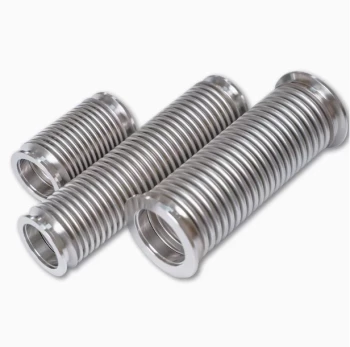
- High Performance Vacuum Bellows for Efficient Connection and Stable Vacuum in Systems
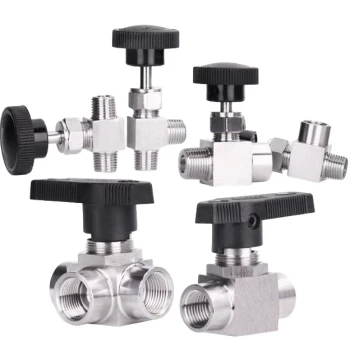
- 304 316 Stainless Steel High Vacuum Ball Stop Valve for Vacuum Systems
- Vacuum Hot Press Furnace Machine for Lamination and Heating
People Also Ask
- What role does a Tube Furnace play in the CVD growth of carbon nanotubes? Achieve High-Purity CNT Synthesis
- What are the operational and maintenance requirements for a CVD tube furnace? Ensure Precision for Thin Film Deposition
- How does a CVD tube furnace achieve high purity in gate media preparation? Master Precision Control for Flawless Films
- What are the advantages of using a CVD tube furnace for preparing gate dielectrics? Achieve High-Quality Thin Films for Transistors
- What are the key features of CVD tube furnaces for 2D material processing? Unlock Precision Synthesis for Superior Materials