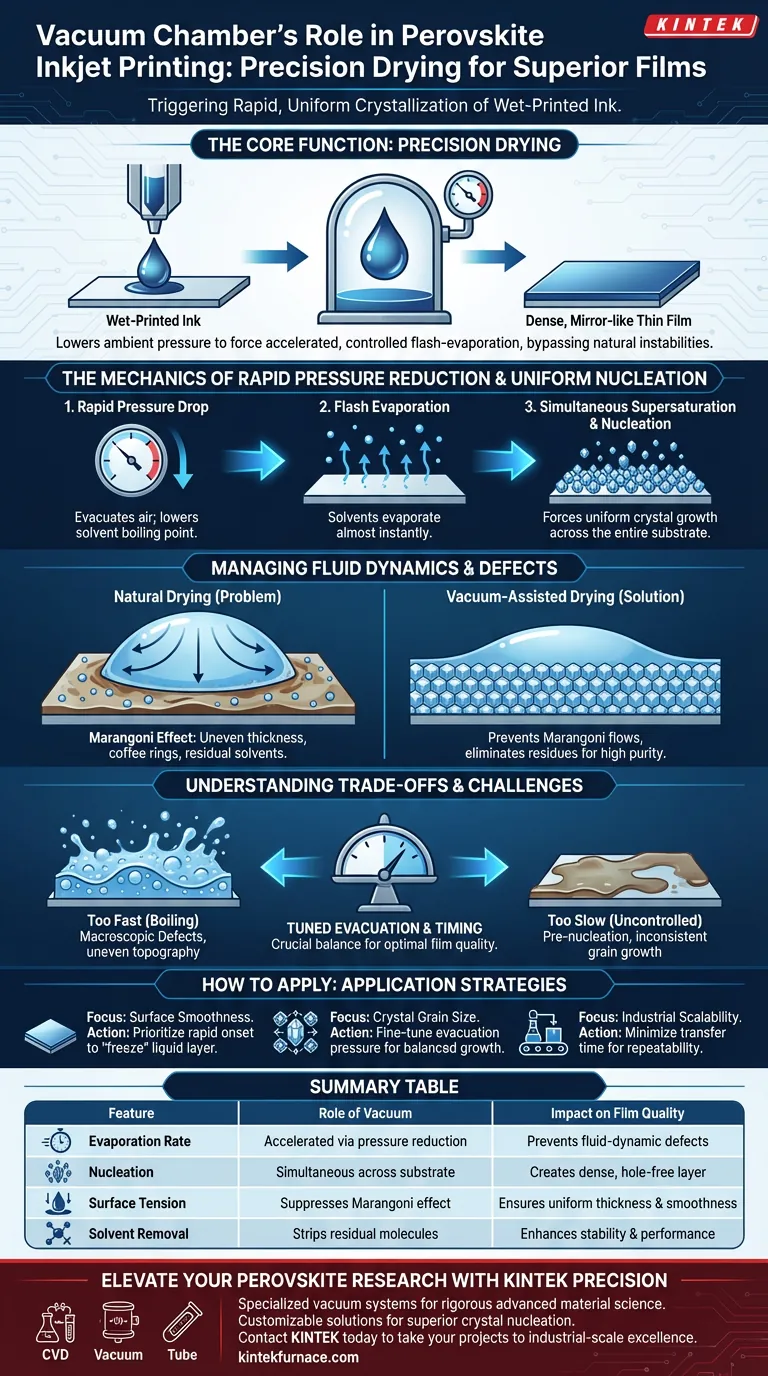
The vacuum chamber acts as a precision drying environment that triggers rapid, uniform crystallization of the wet-printed perovskite ink. By lowering ambient pressure immediately after printing, the system forces the solvent to evaporate at an accelerated and highly controlled rate. This process is essential for bypassing the instabilities of natural drying, resulting in a dense, mirror-like thin film free of structural defects.
The core function of the vacuum chamber is to replace slow, ambient evaporation with a "flash-evaporation" effect that induces simultaneous nucleation across the entire substrate. This method suppresses fluid-dynamic defects and ensures the perovskite crystals form a continuous, hole-free layer.
Accelerating Solvent Evaporation and Nucleation
The Mechanics of Rapid Pressure Reduction
When the substrate is moved into the chamber, the air is quickly evacuated to create a low-pressure environment. This drop in pressure significantly lowers the boiling point of the solvents, causing them to evaporate almost instantly from the wet film. By controlling the speed of evacuation, engineers can dictate exactly when the liquid phase transitions into a solid crystalline structure.
Achieving Uniform Crystal Nucleation
Rapid evaporation forces the perovskite precursors into a state of supersaturation across the entire surface at the same time. This simultaneous "tipping point" leads to uniform nucleation, where crystals grow together in a synchronized manner. Uniform nucleation is the primary reason vacuum-assisted films are denser and more consistent than those dried in open air.
Managing Fluid Dynamics and Surface Defects
Preventing the Marangoni Effect
In slow-drying environments, differences in surface tension cause liquid to flow within the droplet, a phenomenon known as the Marangoni effect. This effect often pushes material toward the edges of a printed area, resulting in uneven thickness and "coffee ring" stains. The vacuum process "locks" the film in place by removing the solvent before these destructive internal flows can occur.
Eliminating Residual Solvents
Standard natural drying often fails to remove all solvent molecules, which can become trapped within the crystal lattice. The vacuum environment effectively strips away these residues, which is critical for the long-term chemical stability of the perovskite. Removing these impurities results in a high-purity film that exhibits better electrical performance in solar cells or LEDs.
Understanding the Trade-offs
Risk of Excessive Evacuation Speeds
If the vacuum is applied too violently, the solvent can reach a "boiling" state that creates bubbles or splashing within the wet film. This can lead to macroscopic defects or uneven topography, defeating the purpose of the vacuum step. The evacuation rate must be carefully tuned to the specific volatility of the ink's solvent system.
Integration and Timing Challenges
The "transfer time" between the inkjet printer and the vacuum chamber is a critical variable that can introduce inconsistency. If the wet film sits in the air too long, uncontrolled natural drying begins, which may lead to pre-nucleation and non-uniform grain growth. Maintaining a strict, automated transition is necessary to ensure every printed film meets the same quality standard.
How to Apply This to Your Project
To achieve the best results with vacuum-assisted inkjet printing, your approach should vary based on your specific performance requirements.
- If your primary focus is surface smoothness: Prioritize the rapid onset of the vacuum to "freeze" the liquid layer before Marangoni flows can distort the surface.
- If your primary focus is crystal grain size: Fine-tune the evacuation pressure to balance the speed of nucleation with the time allowed for crystals to grow into a dense lattice.
- If your primary focus is industrial scalability: Focus on minimizing the transfer time from the print head to the chamber to ensure process repeatability across large substrates.
By mastering the vacuum-assisted drying phase, you transform inkjet printing from a simple deposition method into a precision crystallization technique.
Summary Table:
| Feature | Role of Vacuum in Inkjet Printing | Impact on Film Quality |
|---|---|---|
| Evaporation Rate | Accelerated via rapid pressure reduction | Prevents fluid-dynamic defects like coffee-ring effects |
| Nucleation | Simultaneous across the entire substrate | Creates a dense, continuous, and hole-free crystal layer |
| Surface Tension | Suppresses Marangoni effect | Ensures uniform film thickness and mirror-like smoothness |
| Solvent Removal | Strips residual molecules from crystal lattice | Enhances chemical stability and electrical performance |
Elevate Your Perovskite Research with KINTEK Precision
High-quality perovskite thin films require the perfect balance of deposition and controlled crystallization. At KINTEK, we provide specialized vacuum systems and lab high-temp furnaces—including CVD, Vacuum, and Tube systems—designed to meet the rigorous demands of advanced material science.
Backed by expert R&D and world-class manufacturing, our systems are fully customizable to help you eliminate surface defects and achieve superior crystal nucleation. Contact us today to find the ideal solution for your lab and take your thin-film projects from the lab to industrial-scale excellence.
Visual Guide
References
- Azam Khorasani, Mojtaba Abdi‐Jalebi. Opportunities, Challenges, and Strategies for Scalable Deposition of Metal Halide Perovskite Solar Cells and Modules. DOI: 10.1002/aesr.202300275
This article is also based on technical information from Kintek Furnace Knowledge Base .
Related Products
- Split Chamber CVD Tube Furnace with Vacuum Station CVD Machine
- Ultra High Vacuum Observation Window Stainless Steel Flange Sapphire Glass Sight Glass for KF
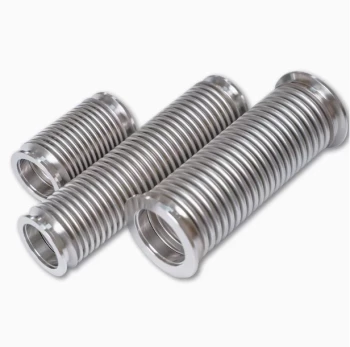
- High Performance Vacuum Bellows for Efficient Connection and Stable Vacuum in Systems
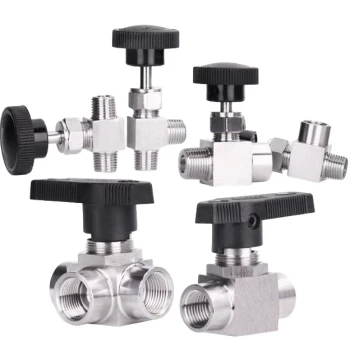
- 304 316 Stainless Steel High Vacuum Ball Stop Valve for Vacuum Systems
- Vacuum Hot Press Furnace Machine for Lamination and Heating
People Also Ask
- What role does a Tube Furnace play in the CVD growth of carbon nanotubes? Achieve High-Purity CNT Synthesis
- How does a CVD tube furnace achieve high purity in gate media preparation? Master Precision Control for Flawless Films
- What are the advantages of using a CVD tube furnace for preparing gate dielectrics? Achieve High-Quality Thin Films for Transistors
- What are the operational and maintenance requirements for a CVD tube furnace? Ensure Precision for Thin Film Deposition
- What are the benefits of developing new precursor materials for CVD tube furnaces? Unlock Advanced Thin-Film Synthesis