Precise control of the reaction atmosphere is the fundamental requirement for valid iron ore reduction data. A high-precision mass flow controller (MFC) is essential because it rigorously regulates the mixing ratios of hydrogen (H2) and carbon monoxide (CO) while managing the carrier gas flow that transports water vapor. This ensures the chemical composition within the reactor remains strictly constant during the experiment.
The use of a high-precision MFC transforms a variable environment into a controlled baseline, allowing researchers to quantitatively isolate the specific inhibitory effects of water vapor on reduction rates and iron carburization.
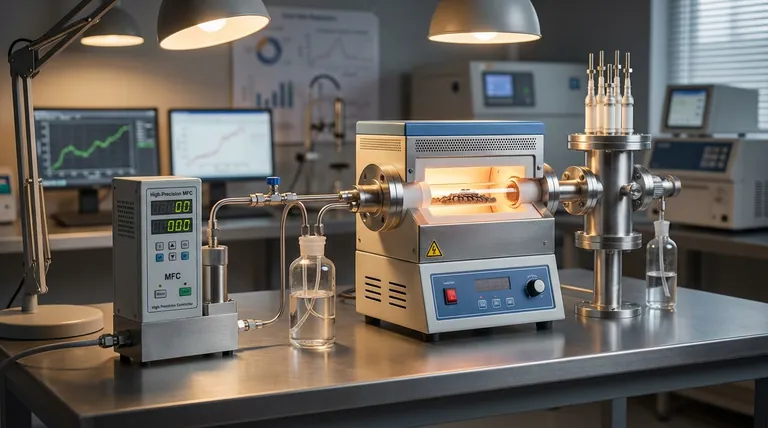
Establishing a Consistent Reaction Environment
Managing Multicomponent Gas Mixtures
To study iron ore reduction effectively, you must often simulate complex reducing atmospheres.
A high-precision MFC is required to accurately mix hydrogen (H2) and carbon monoxide (CO). Without this regulation, the reducing potential of the gas blend would fluctuate, introducing variables that skew the results.
The Carrier Gas and Water Vapor Transport
Water vapor is introduced into the system via a carrier gas.
The MFC regulates the flow rate of this carrier gas, which directly dictates the transport efficiency of the water vapor. Stable flow control ensures that the concentration of water vapor reaching the iron ore is exactly what the experimental design demands.
The Prerequisites for Quantitative Analysis
Isolating Inhibitory Effects
Water vapor is known to have inhibitory effects on the reduction rate of iron ore.
To measure these effects quantitatively, the baseline atmosphere must be immovable. High-precision flow control guarantees that any observed slowdown in reduction is caused solely by the water vapor concentration, not by an accidental drop in reducing gas flow.
Controlling Carburization Parameters
The study of iron ore reduction often includes analyzing the extent of carburization (carbon uptake) in the pellets.
Because carburization is sensitive to the partial pressure of CO, the MFC ensures the gas supply remains steady. This allows researchers to accurately correlate specific water vapor levels with changes in the extent of carburization.
Common Pitfalls to Avoid
The Illusion of Stability
A common mistake in reduction studies is assuming that set flow rates are maintained without active, high-precision regulation.
Standard flow meters may allow minor drifts in the carrier gas flow. In the context of water vapor studies, even slight fluctuations can alter the total pressure or vapor concentration, rendering the data on "inhibitory effects" statistically invalid.
Inconsistent Precursor Delivery
If the carrier gas flow is not repeatable, the delivery of the water vapor "precursor" becomes erratic.
This leads to uneven exposure across the iron ore sample. High-precision MFCs eliminate this by ensuring uniform transport, preventing localized variations in reduction or carburization that could confuse the analysis.
Making the Right Choice for Your Goal
To ensure your data is publishable and chemically accurate, select your flow control strategy based on your specific analytical needs:
- If your primary focus is determining reaction kinetics: Prioritize an MFC with exceptional stability to ensure carrier gas fluctuations do not mask the true inhibitory effects of water vapor on reduction rates.
- If your primary focus is analyzing product quality: focus on the precision of gas mixing to ensure the H2/CO ratio is exact, isolating water vapor as the only variable affecting the extent of carburization.
Precision in flow control is not just about equipment; it is about eliminating ambiguity from your results.
Summary Table:
| Feature | Role in Iron Ore Reduction | Importance of Precision |
|---|---|---|
| H2/CO Mixing | Simulates complex reducing atmospheres | Maintains constant chemical potential for valid baseline data |
| Carrier Gas Flow | Transports water vapor to the sample | Ensures precise concentration delivery and transport efficiency |
| Kinetic Stability | Monitors reaction rates/slowdowns | Prevents flow drift from masking the inhibitory effects of vapor |
| Carburization Control | Manages CO partial pressure | Correlates carbon uptake accurately with vapor levels |
Elevate Your Research Precision with KINTEK
Don't let flow fluctuations compromise your experimental integrity. KINTEK provides high-performance thermal and flow control solutions tailored for demanding metallurgical research. Backed by expert R&D and manufacturing, we offer Muffle, Tube, Rotary, Vacuum, and CVD systems, along with other lab high-temperature furnaces—all fully customizable to meet your unique mass flow and atmospheric requirements.
Ready to eliminate ambiguity from your results? Contact us today to discover how our customizable systems can enhance your lab's accuracy and efficiency.
References
- Effect of Water Vapor on the Reduction and Carburization of Iron Ore Pellets: Theoretical and Experimental Approaches. DOI: 10.1007/s11663-025-03745-y
This article is also based on technical information from Kintek Furnace Knowledge Base .
Related Products
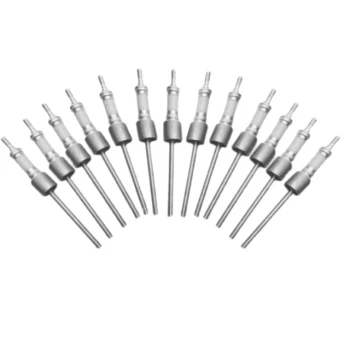
- Ultra Vacuum Electrode Feedthrough Connector Flange Power Lead for High Precision Applications
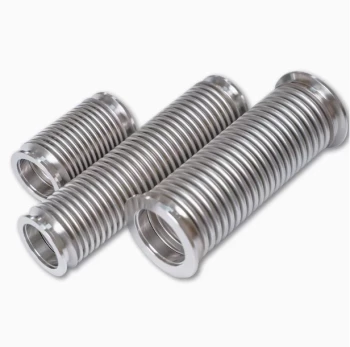
- High Performance Vacuum Bellows for Efficient Connection and Stable Vacuum in Systems
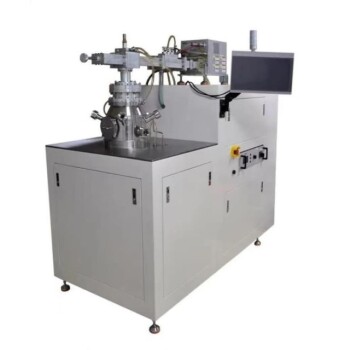
- Cylindrical Resonator MPCVD Machine System for Lab Diamond Growth
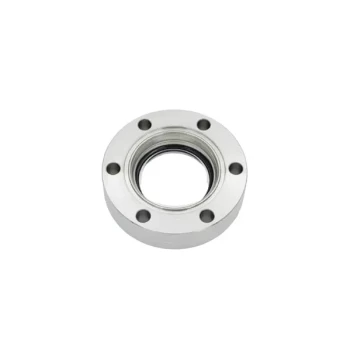
- Ultra High Vacuum CF Observation Window Flange with High Borosilicate Glass Sight Glass
People Also Ask
- Why is a high-precision vacuum sealing system necessary for CrSb? Ensure Pure Crystal Growth & Prevent Oxidation
- Why is an Ultra-High Vacuum (UHV) System Required for In2Se3? Achieving Atomic-Level Ferroelectric Clarity
- What is the function of quartz vacuum encapsulation in RhSeCl CVT? Mastering Pure Crystal Growth
- Why is vacuum sealing technology essential for K2In2As3 synthesis? Master High-Purity Solid-State Reactions
- What role do vacuum-sealed high-purity silica ampoules play in phase equilibrium experiments? Enhance Sample Integrity