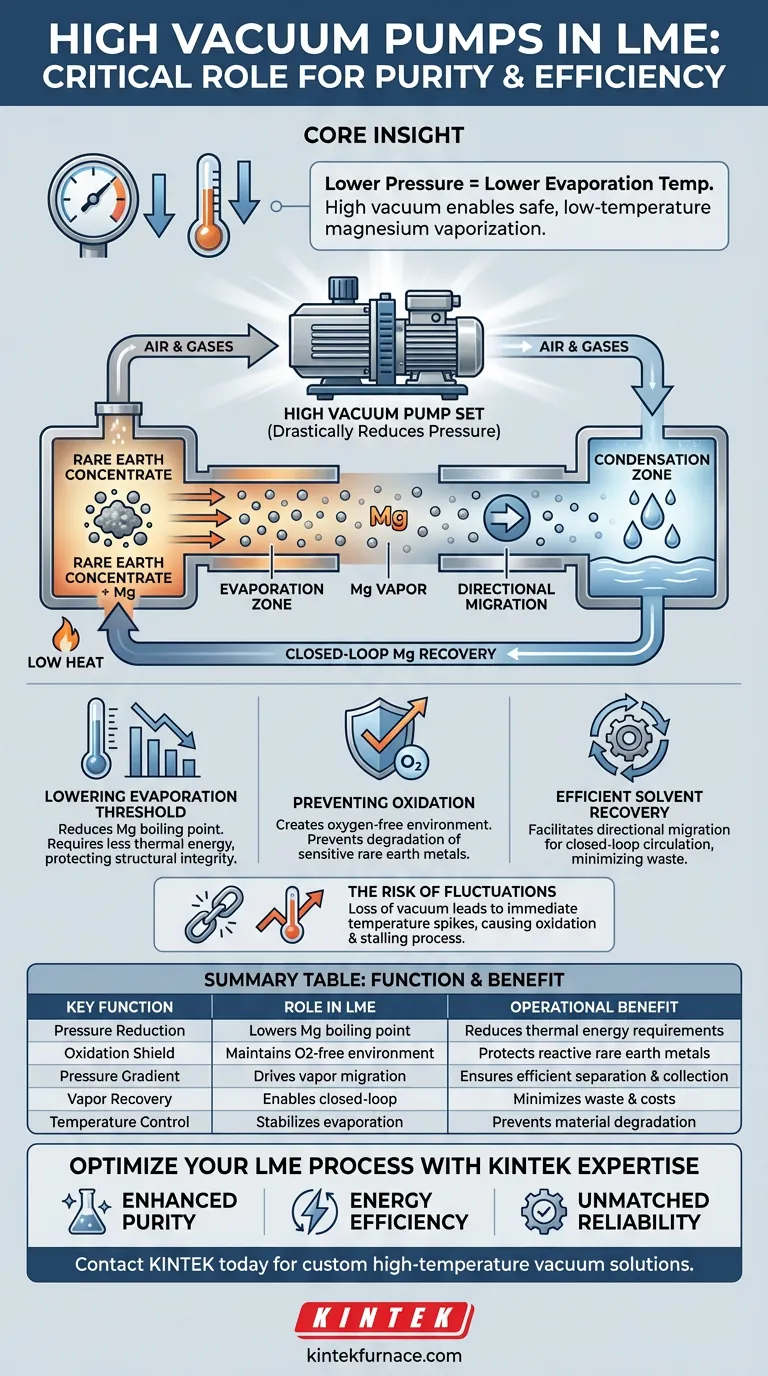
High vacuum pump sets serve as the fundamental control mechanism in the Liquid Metal Extraction (LME) process. By drastically reducing ambient pressure, these pumps lower the evaporation temperature of magnesium, allowing it to vaporize without requiring excessive heat. This precise control is critical for preventing the oxidation of sensitive rare earth metals and ensuring the efficient, directional recovery of the magnesium solvent.
Core Insight: The effectiveness of the LME process hinges on the relationship between pressure and temperature. High vacuum sets manipulate this relationship to create a safe, low-temperature extraction environment that preserves metal purity and enables a sustainable, closed-loop cycle.
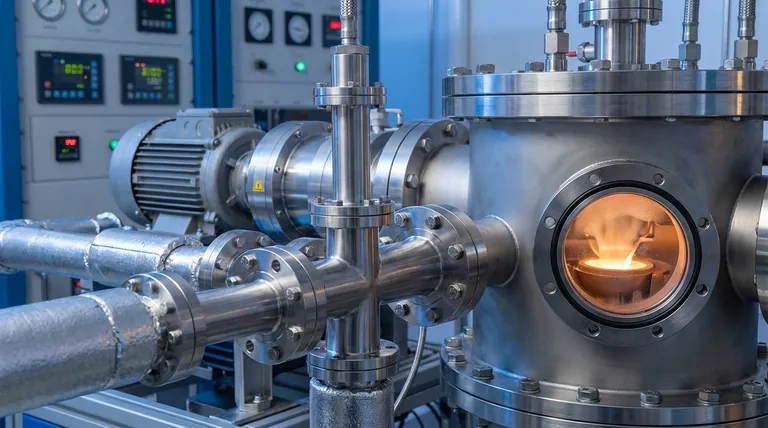
The Physics of Extraction
To understand why specific vacuum levels are non-negotiable, you must look at how pressure dictates thermal requirements.
Lowering the Evaporation Threshold
The primary function of the high vacuum pump set is to maintain extremely low ambient pressure.
Under standard atmospheric conditions, magnesium requires significant heat to evaporate. However, in a high vacuum environment, the boiling point of magnesium drops significantly. This allows the process to transition liquid magnesium into vapor with far less thermal energy.
Controlling the Thermal Environment
By reducing the required evaporation temperature, the system operates under milder thermal conditions.
This protects the structural and chemical integrity of the materials involved. It ensures that the separation of magnesium from the alloy happens efficiently, without subjecting the remaining materials to unnecessary heat stress.
Protecting Material Integrity
The LME process deals with valuable and reactive materials. The vacuum system acts as a shield for these elements.
Preventing Oxidation
Rare earth metals are highly susceptible to oxidation, particularly at elevated temperatures.
If the magnesium were evaporated at standard pressures (and therefore higher temperatures), the risk of oxidizing the rare earth metals would skyrocket. The high vacuum environment prevents this degradation, ensuring the final yield maintains high purity.
Efficiency and Solvent Recovery
Beyond protection, the vacuum system drives the mechanical efficiency of the extraction cycle.
Facilitating Directional Migration
Vapor needs to move in a specific direction to be collected.
The pressure differential created by the vacuum pumps facilitates the directional migration of magnesium vapor. It guides the vapor away from the rare earth concentrate and toward the condensation zone effectively.
Enabling Closed-Loop Circulation
For the process to be economically and environmentally viable, the solvent (magnesium) must be reused.
Efficient vapor recovery allows for closed-loop solvent circulation. By capturing and condensing the magnesium vapor, the system minimizes waste and reduces the need for constant raw material input.
Understanding the Risks
While high vacuum sets are powerful, they introduce specific operational constraints that must be managed.
The Sensitivity of Vacuum Levels
The system relies on maintaining a specific, constant pressure.
If the vacuum level fluctuates or degrades (e.g., due to leaks or pump inefficiency), the evaporation temperature will rise immediately. This unintended heat spike can trigger oxidation and stall the migration of vapor, halting the entire extraction cycle.
Making the Right Choice for Your Process
When evaluating high vacuum pump sets for LME, your selection criteria should depend on your specific operational priorities.
- If your primary focus is Product Purity: Prioritize pump sets with superior sealing and stability to ensure the pressure remains low enough to completely prevent oxidation of rare earth metals.
- If your primary focus is Process Efficiency: Focus on pump sets that maximize flow rates to facilitate rapid directional migration and optimize the closed-loop recovery of magnesium.
Ultimately, the high vacuum pump set is not just an accessory; it is the enabler of the thermodynamic conditions required for successful Liquid Metal Extraction.
Summary Table:
| Key Function | Role in LME Process | Operational Benefit |
|---|---|---|
| Pressure Reduction | Lowers magnesium boiling point | Reduces thermal energy requirements |
| Oxidation Shield | Maintains oxygen-free environment | Protects reactive rare earth metals |
| Pressure Gradient | Drives directional vapor migration | Ensures efficient separation and collection |
| Vapor Recovery | Enables closed-loop circulation | Minimizes waste and reduces raw material costs |
| Temperature Control | Stabilizes evaporation threshold | Prevents material degradation and heat stress |
Optimize Your LME Process with KINTEK Expertise
Precision vacuum control is the difference between high-purity yield and costly oxidation. At KINTEK, we specialize in the R&D and manufacturing of high-performance thermal and vacuum systems tailored for the most demanding laboratory and industrial applications.
Our range of Vacuum, Muffle, Tube, and CVD systems are fully customizable to meet the specific pressure and temperature requirements of your Liquid Metal Extraction projects. Partner with us to achieve:
- Enhanced Material Purity: Stable high-vacuum environments to protect sensitive rare earth elements.
- Energy Efficiency: Custom thermal solutions designed for low-temperature evaporation.
- Unmatched Reliability: Expert-engineered systems built for sustainable, closed-loop cycles.
Ready to elevate your extraction efficiency? Contact KINTEK today to discuss your unique needs and let our experts design the perfect high-temperature vacuum solution for you.
Visual Guide
References
- Finks, Christopher. Technical Analysis: Magnet-to-Magnet Rare Earth Recycling Without Solvent Extraction (M2M-Δ Architecture) - Defense Supply Chain Resilience. DOI: 10.5281/zenodo.17625286
This article is also based on technical information from Kintek Furnace Knowledge Base .
Related Products
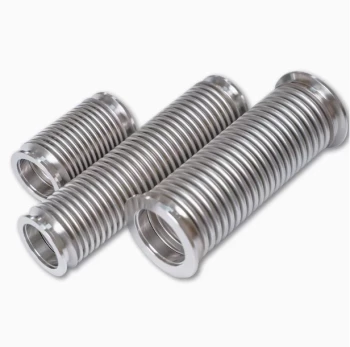
- High Performance Vacuum Bellows for Efficient Connection and Stable Vacuum in Systems
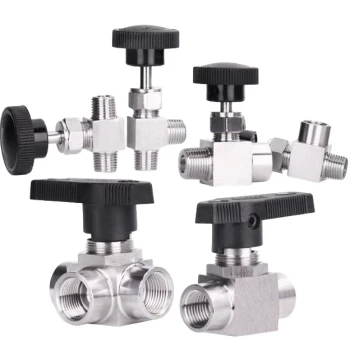
- 304 316 Stainless Steel High Vacuum Ball Stop Valve for Vacuum Systems
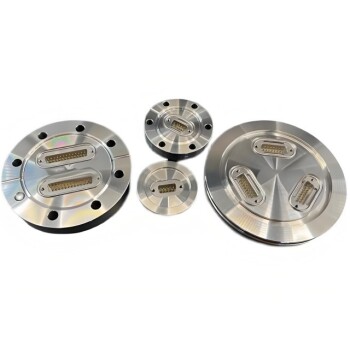
- Ultra-High Vacuum Flange Aviation Plug Glass Sintered Airtight Circular Connector for KF ISO CF
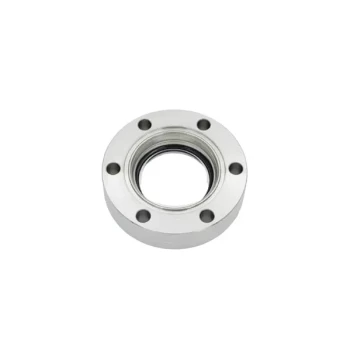
- Ultra High Vacuum Observation Window Stainless Steel Flange Sapphire Glass Sight Glass for KF
- Ultra High Vacuum CF Observation Window Flange with High Borosilicate Glass Sight Glass
People Also Ask
- Why is an Ultra-High Vacuum (UHV) System Required for In2Se3? Achieving Atomic-Level Ferroelectric Clarity
- Why is an environmental laboratory chamber equipped with an optical window required for synthesizing Hafnium Carbide?
- What role does a closed pressure vessel play during the carbonation of gamma-C2S? Unlock Rapid Mineralization
- Why are desiccators containing saturated salt solutions used when evaluating the hygroscopicity of modified wood?
- How does the pressure environment affect the metallic thermal reduction for titanium? Master Precision Control