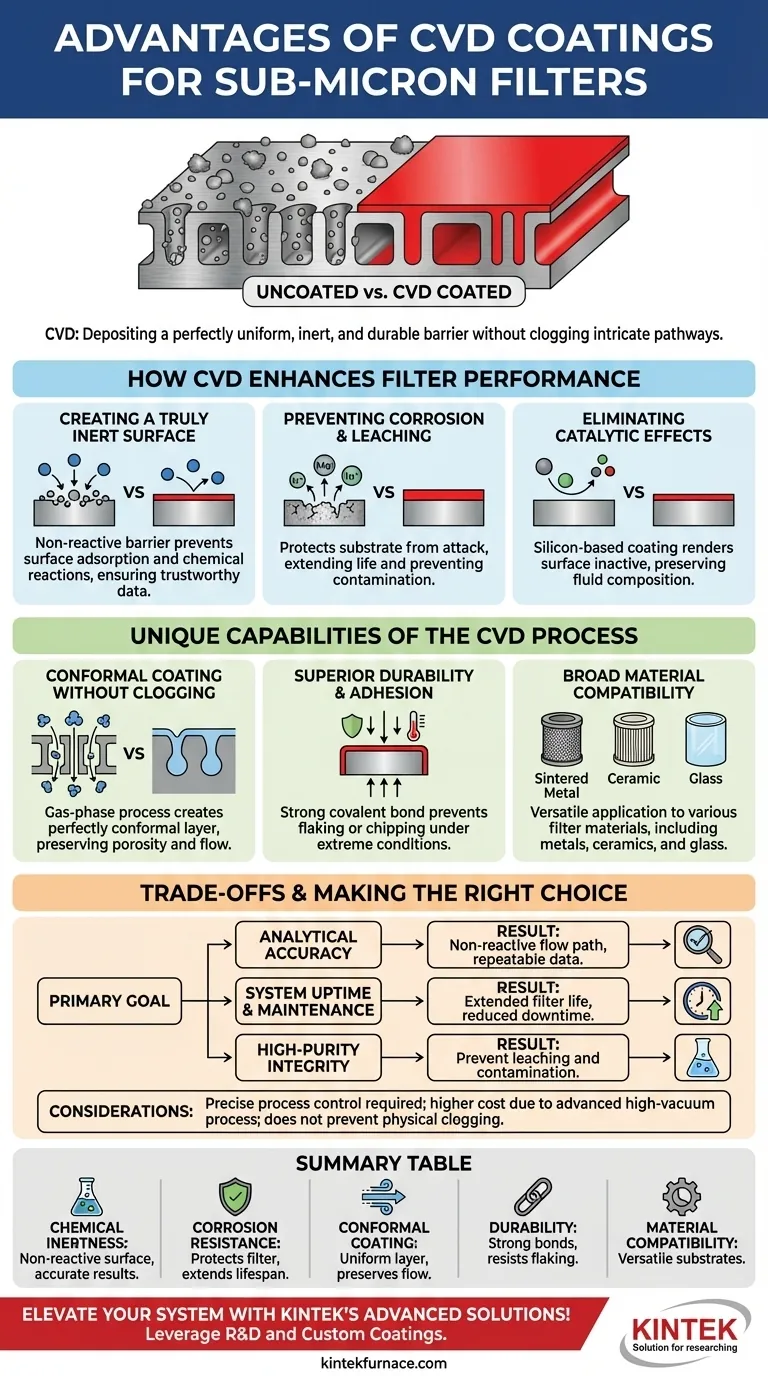
The primary advantage of CVD coatings for sub-micron filters is their ability to deposit a perfectly uniform, inert, and durable barrier on all internal and external surfaces. This process coats the intricate, microscopic pathways of the filter without clogging them, effectively isolating the base filter material from the process fluid. The result is a dramatic reduction in corrosion, chemical reactions, and surface adsorption that would otherwise compromise process integrity and analytical results.
While sub-micron filters are essential for precision, their vast internal surface area can introduce significant problems like corrosion, material leaching, and sample contamination. Chemical Vapor Deposition (CVD) coatings solve this by transforming the filter's reactive surface into a high-purity, non-reactive barrier without altering its fundamental structure.
How CVD Coatings Enhance Filter Performance
The core function of a CVD coating in this context is to create complete chemical inertness. This directly impacts the reliability and longevity of any system that relies on high-purity filtration.
Creating a Truly Inert Surface
A standard metal or ceramic filter, despite its effectiveness at removing particles, has a reactive surface. When a sensitive fluid or gas mixture passes through, this surface can adsorb (stick to) or react with trace-level analytes.
This interaction skews analytical results, making it impossible to trust the data. A CVD coating creates a pinhole-free barrier, ensuring that the only thing the sample stream touches is the inert coating material.
Preventing Corrosion and Material Leaching
Aggressive chemicals, high temperatures, and moisture can cause the filter's base material to corrode. This corrosion not only weakens the filter, leading to premature failure, but it also leaches metal ions and other contaminants into the process stream.
By creating a robust barrier, CVD coatings protect the underlying substrate from chemical attack, significantly extending the filter's operational life and ensuring the purity of the filtered product.
Eliminating Unwanted Catalytic Effects
Many metals used in filters, such as nickel or stainless steel, can act as unintended catalysts. They can trigger or accelerate chemical reactions within the process fluid, leading to the formation of unwanted byproducts.
A properly selected CVD coating, such as one based on silicon, renders the surface catalytically inactive. This ensures that the chemical composition of the fluid remains unchanged as it passes through the filter.
The Unique Capabilities of the CVD Process
Not all coating methods are suitable for the complex geometry of a sub-micron filter. The gas-phase nature of CVD is what makes it uniquely effective for this application.
Conformal Coating Without Clogging
CVD is a gas-phase process where a precursor gas permeates the entire structure of the filter. The gas molecules deposit atom-by-atom on every exposed surface, creating a perfectly conformal layer that follows the most complex contours.
Unlike liquid-based coatings that would clog the microscopic pores through surface tension, the CVD process ensures the filter's porosity and flow characteristics remain unchanged.
Superior Durability and Adhesion
The CVD process forms a strong, covalent bond between the coating and the filter substrate. This coating becomes an integral part of the filter, not just a layer sitting on top.
This exceptional adhesion ensures the coating will not flake, chip, or spall, even under conditions of high pressure, vibration, or extreme temperature cycling. The coating itself will not become a source of particulate contamination.
Broad Material Compatibility
The process is highly versatile and can be applied to a wide range of filter materials, including sintered metals, ceramics, and even glass. This allows you to gain the benefits of an inert surface regardless of the structural material required for your application.
Understanding the Trade-offs
While highly effective, CVD coatings are a specialized solution with specific considerations. An objective evaluation requires acknowledging these factors.
Importance of Process Control
The quality of a CVD coating is entirely dependent on the precision of the deposition process. Factors like temperature, pressure, and gas flow rates must be meticulously controlled. An improperly applied coating can have defects, leading to a false sense of security.
Cost vs. Performance
CVD is an advanced, high-vacuum process that is more expensive than using a simple, uncoated filter. The decision to use a coated filter must be justified by the cost of failure, whether that cost is measured in system downtime, product contamination, or unreliable data.
Not a Solution for Physical Clogging
It is critical to understand that a CVD coating prevents chemical and surface interactions. It does nothing to prevent the filter from physically clogging with particulates that are larger than its pore size. The coating protects the filter material; it does not change the fundamental principles of mechanical filtration.
Making the Right Choice for Your Goal
Your application's primary driver should guide your decision to specify a CVD-coated filter.
- If your primary focus is analytical accuracy: A CVD-coated filter is essential to create a non-reactive, non-adsorptive flow path for repeatable and trustworthy results.
- If your primary focus is system uptime and maintenance reduction: The corrosion resistance from a CVD coating will dramatically extend filter life in aggressive chemical environments, reducing costly downtime.
- If your primary focus is high-purity process integrity: The inert barrier created by the CVD process is the most effective way to prevent leaching and contamination from the filter itself.
By implementing a properly specified CVD-coated filter, you are investing in the long-term reliability and precision of your entire system.
Summary Table:
| Advantage | Description |
|---|---|
| Chemical Inertness | Creates a non-reactive surface to prevent adsorption and reactions, ensuring accurate analytical results. |
| Corrosion Resistance | Protects filter material from chemical attack, extending lifespan and maintaining product purity. |
| Conformal Coating | Deposits a uniform layer without clogging pores, preserving filter structure and flow characteristics. |
| Durability | Forms strong covalent bonds for high adhesion, resisting flaking under extreme conditions. |
| Material Compatibility | Applicable to various substrates like sintered metals, ceramics, and glass for versatile use. |
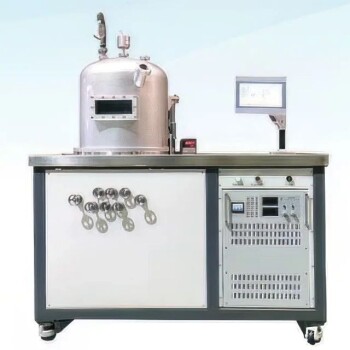
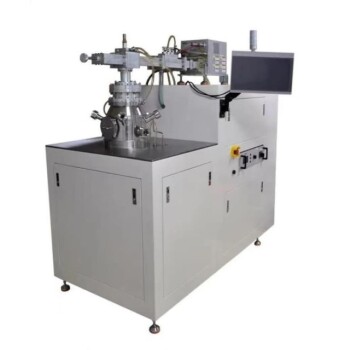
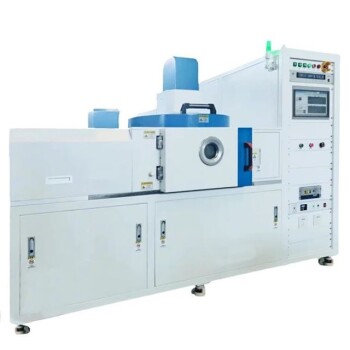
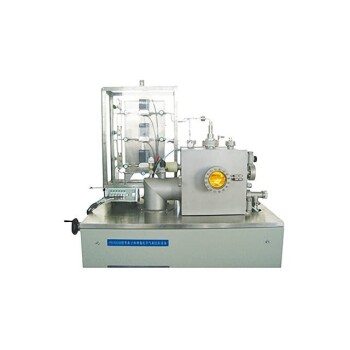
Elevate your filtration system's performance with KINTEK's advanced solutions! Leveraging exceptional R&D and in-house manufacturing, we provide diverse laboratories with high-temperature furnace technologies, including CVD/PECVD Systems, to create custom coatings that ensure chemical inertness, durability, and purity for your sub-micron filters. Our strong deep customization capability precisely meets your unique experimental needs, reducing contamination and extending filter life. Contact us today to discuss how we can enhance your process integrity and reliability—reach out via our contact form for a tailored consultation!
Visual Guide
Related Products
- HFCVD Machine System Equipment for Drawing Die Nano Diamond Coating
- Cylindrical Resonator MPCVD Machine System for Lab Diamond Growth
- MPCVD Machine System Reactor Bell-jar Resonator for Lab and Diamond Growth
- RF PECVD System Radio Frequency Plasma Enhanced Chemical Vapor Deposition
- Multi Heating Zones CVD Tube Furnace Machine for Chemical Vapor Deposition Equipment
People Also Ask
- What are the uses of chemical vapour deposition? Powering Modern Tech from Chips to Solar Panels
- How does the availability of specialized furnace systems benefit chemical research? Optimize Your Thermal Processing
- How does a CVD machine work? Master the Technology for High-Quality Thin Film Deposition
- What are the advantages of CVD? Achieve Unmatched High-Purity, Conformal Thin Films
- What is Hot-filament Chemical Vapor Deposition (HFCVD)? Achieve High-Quality Thin Films with Precision Control