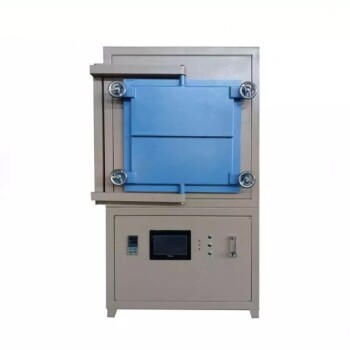
The transformation of natural sphalerite into a high-performance catalyst is driven by a controlled thermal phase transition facilitated by a muffle furnace.
A high-temperature muffle furnace provides the precise thermal environment required to trigger the conversion of zinc sulfide (ZnS) into a zinc oxide (ZnO) phase. By processing the mineral at specific parameters—typically 900 °C for five hours—the furnace reconfigures the mineral's chemical structure, enabling it to absorb specific wavelengths of light and exhibit both photocatalytic and piezocatalytic properties.
The muffle furnace acts as a thermal reactor that fundamentally alters the mineral's crystalline state, turning raw natural sphalerite into a functional material capable of harvesting light and mechanical energy.
The Mechanism of Phase Transformation
Converting Sulfides to Oxides
The primary role of the muffle furnace is to facilitate the oxidation of natural minerals. High-temperature calcination at 900 °C triggers the transition from a zinc sulfide phase to a zinc oxide phase, which is the critical step for catalytic activation.
Enhancing Catalytic Response
This phase transition allows the mineral to effectively absorb specific wavelengths of light energy. The resulting material gains photocatalytic and piezocatalytic capabilities, essential for modern industrial and environmental applications.
Structural Optimization and Stabilization
Microstructural Reorganization
The high-temperature environment induces dehydration and triggers a reorganization of the mineral's internal structure. This process can significantly increase the specific surface area, providing more active sites for chemical reactions to occur.
Removal of Impurities
The furnace effectively removes volatile impurities and residual chemical components from the raw mineral. This "cleaning" process ensures that the resulting catalyst achieves high levels of activity and selectivity by clearing pores and releasing active space.
Establishing Active Centers
Thermal energy facilitates the decomposition of precursors into highly dispersed metal oxide phases. These phases serve as the structural foundation, anchoring active species onto the mineral framework and establishing the final chemical state of the catalyst.
Precision and Thermal Control
Balancing Stability and Activity
Precise temperature programs, such as controlled heating rates (e.g., 5°C/min), are used to ensure chemical bonding is completed. This precision prevents severe sintering, a process where particles fuse together and reduce the catalyst's effectiveness.
Strengthening Material Integrity
The heat provided by the muffle furnace facilitates chemical bonding or physical cross-linking within the material. This significantly enhances the thermal stability and resistance of the catalyst, allowing it to withstand extreme temperatures in industrial exhaust environments.
Understanding the Trade-offs
Sintering vs. Activation
While high temperatures are required to trigger the sulfide-to-oxide transition, excessive heat can lead to sintering. This reduces the total surface area and can "bury" active sites, leading to a loss of catalytic efficiency despite the phase change.
Thermal Stress and Structural Collapse
Rapid heating or cooling within the muffle furnace can induce thermal shock. If the temperature program is not carefully managed, the reorganization of the microstructure can lead to structural fragility or the peeling of active coatings from their substrates.
How to Apply Thermal Processing to Your Project
When utilizing a high-temperature muffle furnace for mineral transformation, your approach should vary based on the desired material properties:
- If your primary focus is photocatalytic activity: Target a high-temperature calcination (approx. 900 °C) to ensure a complete transition from sulfide to oxide phases for optimal light absorption.
- If your primary focus is surface area and porosity: Utilize a lower temperature range (400 °C to 600 °C) and controlled heating rates to remove impurities without causing particle sintering.
- If your primary focus is industrial durability: Prioritize an extended calcination period to facilitate strong chemical bonding and enhance the material's resistance to thermal shock.
By masterfully controlling the thermal environment of a muffle furnace, you can unlock the latent catalytic potential of natural minerals through precise structural and chemical engineering.
Summary Table:
| Transformation Phase | Thermal Mechanism | Key Result for Catalyst |
|---|---|---|
| Phase Transition | Calcination at 900°C | Converts ZnS to active ZnO oxide phase |
| Structural Reorganization | Controlled dehydration | Increased specific surface area & active sites |
| Purification | Volatile impurity removal | Clears pores for high activity and selectivity |
| Stabilization | Precise thermal bonding | Enhanced durability and resistance to thermal shock |
Elevate Your Material Research with KINTEK Precision
Are you looking to achieve the perfect phase transition for your catalytic minerals? KINTEK specializes in high-performance laboratory equipment and consumables, providing the thermal precision necessary for advanced material engineering.
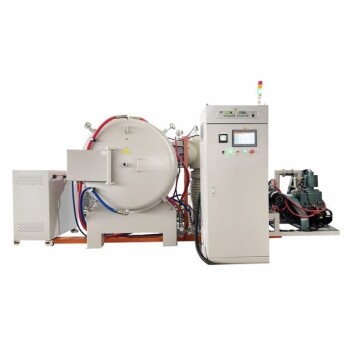
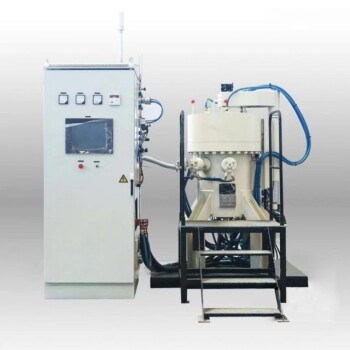
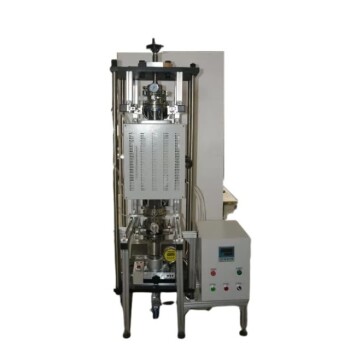
Our comprehensive range of high-temperature furnaces—including muffle, tube, rotary, vacuum, CVD, atmosphere, and induction melting furnaces—are all fully customizable to meet your unique research parameters. Whether you are optimizing photocatalytic activity or preventing material sintering, KINTEK ensures uniform heating and reliable stability.
Ready to transform your laboratory results? Contact KINTEK today to discuss your custom furnace requirements and see how our expertise can drive your innovation forward.
References
- Svetlana A. Popova, Valeriy Batoev. Piezo-Photocatalytic Degradation of Pharmaceuticals in Water Using Calcined Natural Sphalerite. DOI: 10.3390/w15173092
This article is also based on technical information from Kintek Furnace Knowledge Base .
Related Products
- 1700℃ High Temperature Muffle Oven Furnace for Laboratory
- 1800℃ High Temperature Muffle Oven Furnace for Laboratory
- 1400℃ Muffle Oven Furnace for Laboratory
- 1200℃ Muffle Oven Furnace for Laboratory
- High Temperature Muffle Oven Furnace for Laboratory Debinding and Pre Sintering
People Also Ask
- What is the primary function of a high-temperature laboratory muffle furnace in chemical synthesis? Achieve Precision.
- How does a high-temperature laboratory muffle furnace affect material properties? Transform Anodic Oxide Films Fast
- What role does a muffle furnace play in BCZY712 electrolyte powder production? Achieve Perfect Phase Purity
- Why must a high-temperature muffle furnace be used to evaluate the mineral density of tigernut composite flour?
- How does the two-stage sintering process contribute to the synthesis of MeCuFeO3 perovskite? Optimize crystal purity.