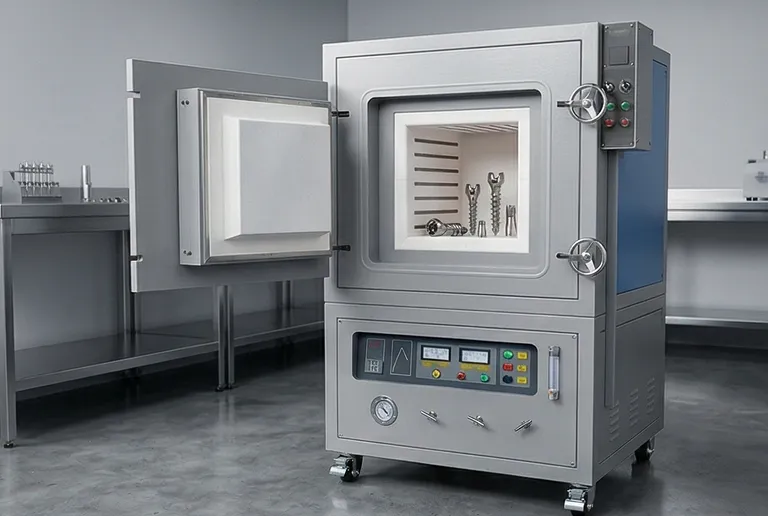
The Mystery of the Brittle Batch
Imagine this: You are processing a batch of high-grade titanium components. Your vacuum gauges show a perfect, deep vacuum. The temperature profile followed the recipe exactly. Yet, when the parts emerge, they fail the ductility test. They are brittle, discolored, or show signs of surface contamination.
In the world of titanium metallurgy, this is a frustratingly common "phantom" problem. You have the right equipment and the right settings, but the material chemistry says otherwise. If your vacuum levels are within spec, why is your titanium still reacting as if it’s exposed to air?
The Frustrating Search for "Hidden" Leaks
When titanium parts come out brittle, the typical reaction is to hunt for a leak. Engineers might spend days double-checking O-rings, upgrading to more powerful vacuum pumps, or extending the "soak" time at high temperatures.
These efforts are not only time-consuming but expensive. Scrapped titanium is a significant financial hit, and project delays in industries like aerospace or medical implants can damage a company's reputation. The most baffling part is that even after tightening every bolt, the problem often persists. This is because the issue often isn't a lack of vacuum—it is the pathway that air takes inside the chamber.
The Invisible Highway: Why Layout Trumps Pressure
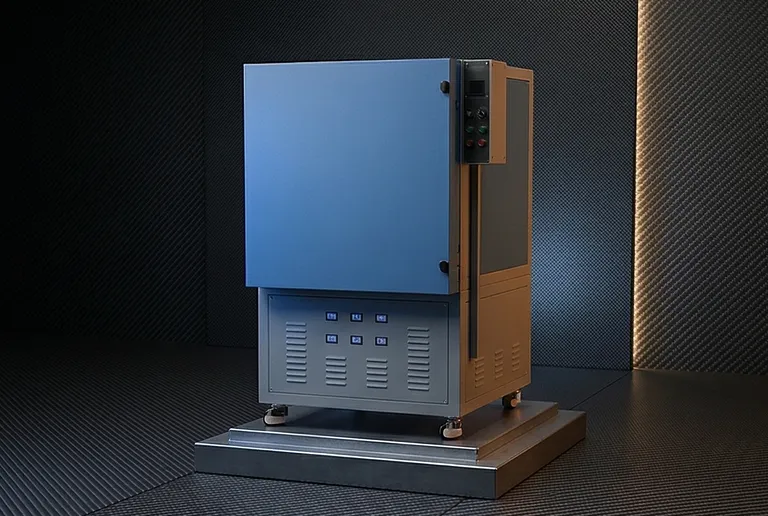
The root of the problem lies in the high chemical reactivity of titanium. At elevated temperatures, titanium acts like a chemical sponge, greedily absorbing oxygen and nitrogen. This reaction creates an "alpha case"—a hard, brittle layer that compromises the mechanical integrity of the entire part.
In any vacuum furnace, there is a "leak valve" (or gas inlet) and a vacuum pump port. Even in a well-sealed system, air molecules move from the inlet toward the pump. This creates an invisible "airflow highway" within the chamber.
- The Danger Zone: If the sample is placed between the leak valve and the vacuum pump, every molecule of air diffusing into the chamber must pass directly over the white-hot surface of the titanium before it can be removed by the pump. Even at very low pressures, this localized stream of air provides enough oxygen to cause significant oxidation.
- The Safe Zone: If the leak valve is positioned so that the vacuum pump can pull the incoming air away before it reaches the sample, the titanium remains protected.
The "common struggle" fails because it treats the vacuum as a static state. In reality, a vacuum chamber is a dynamic environment where the geometry of the interior determines the fate of your material.
Engineering the Solution: Strategic Chamber Architecture
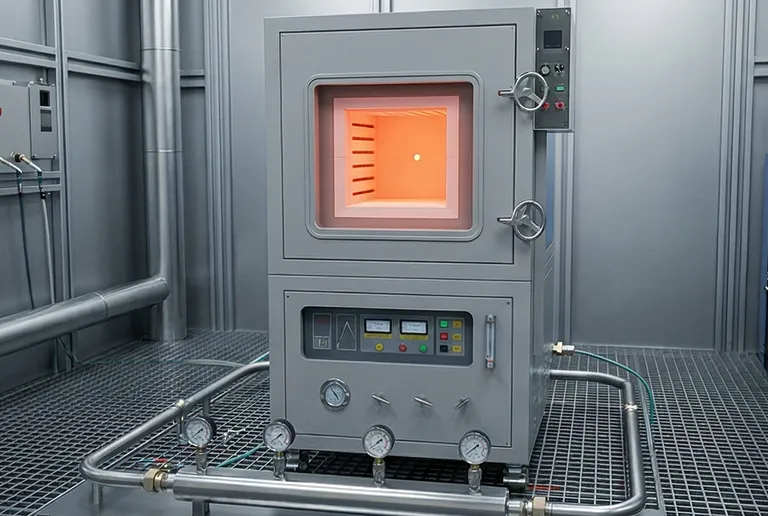
To solve the problem of localized oxidation, you don't just need a "stronger pump"—you need a furnace designed with an understanding of fluid dynamics and material science. This is where the design of the sintering environment becomes the most critical tool in your lab.
At KINTEK, we don't view a vacuum furnace as just a heated box. We treat it as a precision instrument for atmosphere control. Our vacuum sintering furnaces are engineered with the understanding that the relative position of every valve, sensor, and heating element matters.
By strategically placing leak valves and gas inlets in relation to the work zone and the pumping ports, KINTEK furnaces ensure that any residual air or introduced process gas is swept away from the sample surface. This design-led approach addresses the root cause of oxidation rather than just masking the symptoms with higher pumping costs. Our customization options allow us to tailor these airflow paths to your specific sample geometry, ensuring that "perfect" gauge readings actually translate to "perfect" material properties.
Beyond the Fix: Unlocking Material Potential
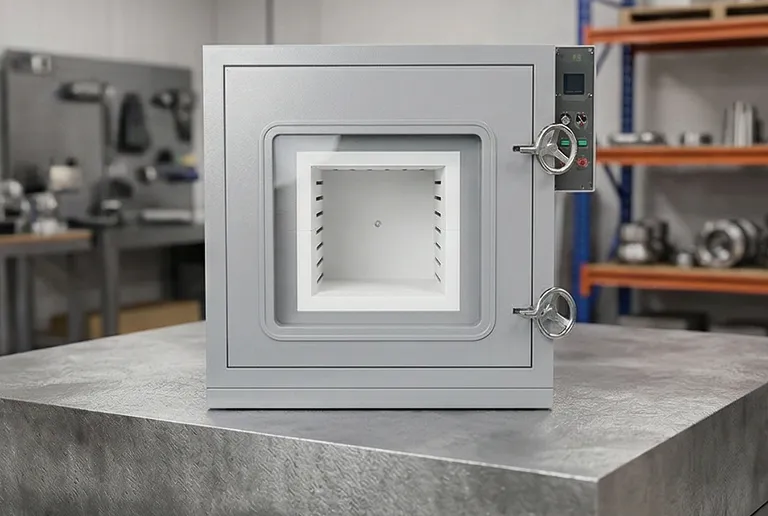
When you move past the struggle of inconsistent batches and embrittlement, the possibilities for your laboratory expand. By mastering the internal environment of your furnace, you gain the freedom to:
- Explore Advanced Alloys: Confidently process highly sensitive titanium and zirconium alloys that were previously too "risky" for your setup.
- Guarantee Repeatability: Move from "hoping the batch is good" to "knowing it's pure," which is essential for medical-grade certifications.
- Accelerate R&D: Stop wasting weeks troubleshooting "ghost leaks" and focus on optimizing the mechanical properties of your next innovation.
Solving the mystery of the brittle sample isn't just about fixing a furnace—it’s about removing the technical barriers that hold back your production and research.
At KINTEK, we understand that your projects demand more than just standard equipment; they require a deep alignment between engineering design and material science. Whether you are dealing with inconsistent sintering results or looking to upgrade your processing capabilities for sensitive metals, our team is ready to help you design a solution that addresses your specific business challenges.
Contact Our Experts today to discuss how a customized vacuum furnace can stabilize your production and protect your most valuable materials.
Related Products
- Vacuum Heat Treat Sintering Furnace with Pressure for Vacuum Sintering
- 2200 ℃ Tungsten Vacuum Heat Treat and Sintering Furnace
- Small Vacuum Heat Treat and Tungsten Wire Sintering Furnace
- Vacuum Heat Treat Sintering Furnace Molybdenum Wire Vacuum Sintering Furnace
- 600T Vacuum Induction Hot Press Vacuum Heat Treat and Sintering Furnace
Related Articles
- Why Your Sintered Parts Fail: It’s Not Just About Heat, But Pressure and Purity
- Why Your Stainless Steel Parts Fail Pressure Tests—and How Vacuum Sintering Fixes the Density Gap
- Why Your Electrochromic Electrodes Fail During Sintering—And How Vacuum Control Restores Transparency
- Why Your 3D-Printed Maraging Steel Parts Aren't Performing—And How to Fix the Structural Weakness
- How Vacuum Pressure Sintering Furnaces Elevate Material Performance Across Industries



















