The Frustration of the "Almost Perfect" Synthesis
You have meticulously weighed your yttrium acetate and phthalonitrile. Your furnace is calibrated, and your timing is precise. Yet, when the reaction concludes, the resulting diphthalocyanine compound isn't the high-purity precursor you expected. Instead, you are left with a degraded product, unexpected impurities, or a structural integrity that fails to meet the demands of your nanocomposite research.
For many researchers working in the delicate intersection of organic ligands and metal centers, this scenario is all too common. You are likely hitting a wall where "standard" lab protocols simply cannot guarantee the extreme environmental control required for high-performance materials.
The Common Struggle: Why Standard Methods Fall Short
When synthesis fails, the initial reaction is often to tweak the temperature or extend the dwell time. However, the struggle usually stems from two factors that are difficult to control with conventional equipment:
- Chemical Leaching: At the reaction temperature of 280–290°C, many standard glass materials or lower-grade ceramics begin to interact with the reagents. Even trace amounts of ions leaching from the reactor wall can catalyze unwanted side reactions, "poisoning" the metal-carbon precursor.
- Atmospheric Compromise: Diphthalocyanines are notoriously sensitive. Even a microscopic leak in the seal allows oxygen to enter, leading to the rapid oxidation of organic ligands. This doesn't just lower your yield; it alters the fundamental properties of the nanocomposite.
The business and academic cost of these failures is high. Beyond the price of expensive rare-earth reagents like yttrium, there is the invisible cost of lost time—weeks of research down the drain because the reactor couldn't maintain the "sanctity" of the reaction environment.
The Root Cause: The Hidden Chemistry of the Reactor Wall
The fundamental reason these syntheses fail isn't usually the chemist's technique; it is the material science of the reaction vessel. To successfully synthesize metal-carbon nanocomposites, the reactor must act as a perfectly inert "stage" that does not participate in the play.
This is where High-Purity Quartz becomes the decisive factor. Unlike standard borosilicate glass, high-purity quartz is chemically stagnant. Even as the reaction reaches the critical 290°C melting point, quartz does not release impurities into the melt.
Furthermore, the physical properties of quartz provide a unique "safety net":
- Extreme Thermal Shock Resistance: Quartz can withstand rapid temperature shifts—from room temperature to over 1,000°C in milliseconds—without cracking. This ensures that the structural integrity of the vessel remains intact throughout the heating and cooling cycles.
- Total Atmospheric Isolation: High-purity quartz tubes allow for superior sealing, creating a closed environment where an inert gas (like Argon or Nitrogen) can truly displace all oxygen. This is the only way to prevent the oxidation of organic ligands and preserve the delicate structure of the precursor molecules.
The Solution: A Reactor Designed for Precision
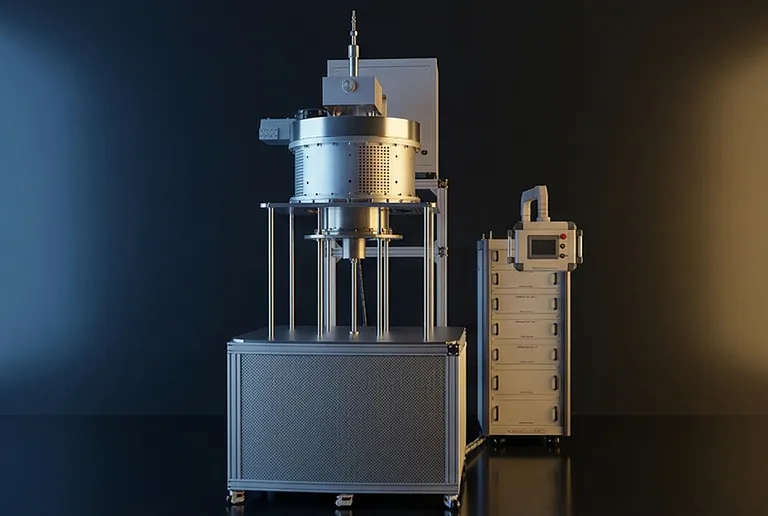
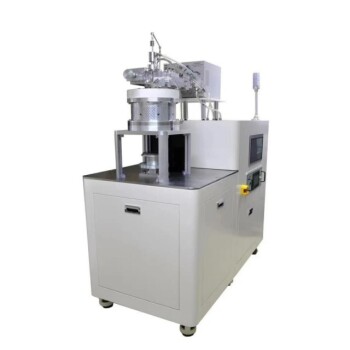
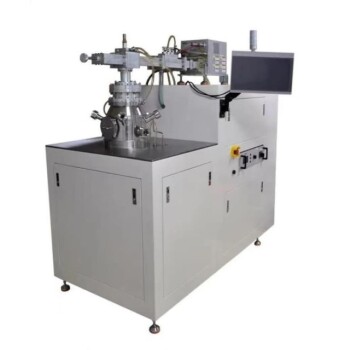
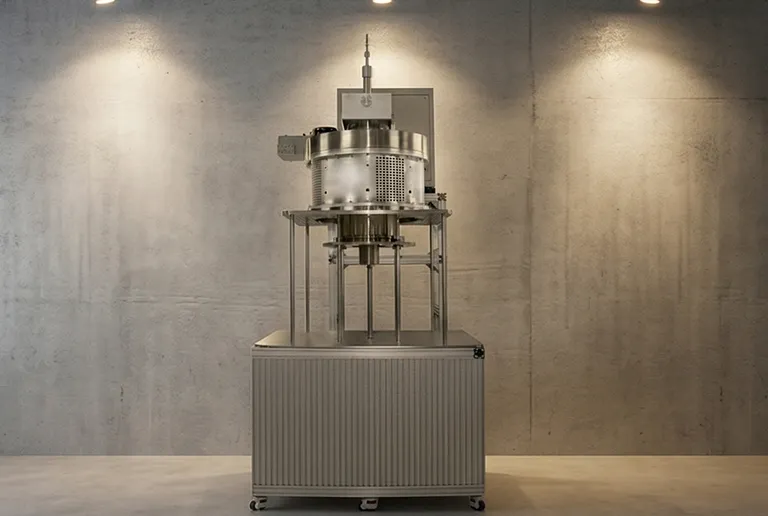
To solve the problem of inconsistent synthesis, you don't just need a furnace; you need a specialized reaction system where the furnace and the reactor work in harmony.
At KINTEK, we design our high-temperature furnaces—including vacuum, tube, and atmosphere models—around the specific needs of sensitive chemical synthesis. Our high-purity quartz reactors are not an afterthought; they are the heart of the system.
By utilizing KINTEK’s high-purity quartz solutions, you address the root cause of synthesis failure:
- Absolute Purity: Our quartz minimizes external contamination, ensuring that the only elements in your precursor are the ones you put there.
- Seal Integrity: Designed for operation under vacuum or inert atmosphere, our systems provide the "air-tight" confidence needed to protect organic ligands at high temperatures.
- Visual Monitoring: The transparency of our high-purity quartz allows researchers to monitor the melting reaction in real-time without breaking the atmosphere or risking thermal loss.
Beyond the Fix: Unlocking Advanced Nanocomposite Research
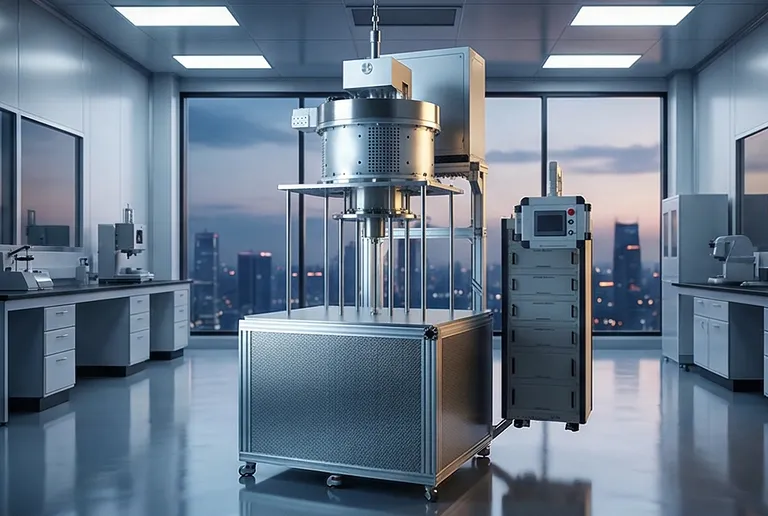
When you eliminate the "noise" of impurities and oxidation, the focus shifts from troubleshooting to innovation. With a reliable high-purity quartz environment, you can move beyond simple synthesis and begin exploring more complex, high-performance metal-carbon structures.
Imagine being able to scale up your production of diphthalocyanine precursors with 100% confidence in their structural integrity. This reliability accelerates the development of new sensors, catalysts, and electronic materials, moving your project from the lab bench to the application phase faster than ever before.
Ensuring the success of your high-temperature synthesis requires more than just heat; it requires an environment that protects your chemistry from the outside world. Whether you are working on specialized dental materials, advanced induction melting, or complex CVD processes, our team at KINTEK can customize a high-temperature furnace and quartz reactor system tailored to your specific parameters. Let us help you eliminate the variables that are holding your research back and ensure your next synthesis is a success.
Related Products
- Laboratory Quartz Tube Furnace RTP Heating Tubular Furnace
- High Pressure Laboratory Vacuum Tube Furnace
- Vertical Laboratory Quartz Tube Furnace Tubular Furnace
- Vacuum Induction Melting Furnace
- Magnesium Extraction and Purification Condensing Tube Furnace
Related Articles
- Mastering the Micro-Environment: The Art and Science of the Laboratory Tube Furnace
- Clarity Under Fire: The Psychological Case for Quartz Tube Furnaces
- The Alchemy of Control: Mastering the Micro-Environment in a Lab Tube Furnace
- Beyond Heat: Mastering the Controlled Universe Inside a Tube Furnace
- Mastering the Void: How Tube Furnaces Forge the Atoms of Innovation