The High-Temperature Bottleneck in Refractory Metallurgy
Imagine your production line is running at full capacity, but your most critical component—a high-performance 80W–20Re (Tungsten-Rhenium) alloy part—is stuck in a traditional radiation furnace. You are twelve hours into a sintering cycle, the energy bills are mounting, and when the parts finally emerge, the grain structure is coarse and inconsistent.
For many engineers and lab managers working with refractory metals, this "waiting game" is a daily reality. Tungsten-Rhenium alloys are prized for their incredible melting points and strength, but those same properties make them notoriously difficult and expensive to process. The traditional approach to heating isn't just slow; it is fundamentally misaligned with the physics of the material.
The Common Struggle: Why More Heat Isn't the Answer
When faced with slow sintering cycles or poor density in 80W–20Re alloys, the instinctual response is often to "crank up the heat" or extend the "soak time" in a standard muffle or vacuum furnace. However, these traditional solutions come with significant hidden costs:
- Excessive Energy Consumption: Keeping a furnace at ultra-high temperatures for 10 or 20 hours is an immense drain on resources.
- Microstructural Degradation: Prolonged exposure to high heat often leads to "uncontrolled grain growth," making the final alloy brittle and prone to failure.
- Production Bottlenecks: When a single batch takes nearly a full day, your throughput is capped, regardless of how efficient the rest of your facility might be.
The problem isn't the temperature itself; it’s the method of delivery. In a radiation furnace, heat moves from the elements to the surface of the part, and then slowly crawls toward the center. For dense refractory metals, this is like trying to melt a glacier with a flashlight.
Reveling the "Joule Effect": The Physics of Instant Heating
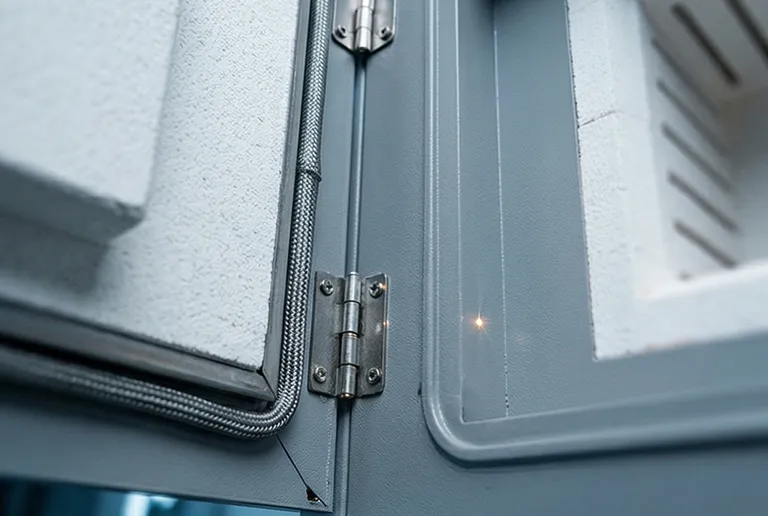
The breakthrough in processing 80W–20Re isn't found in hotter furnaces, but in Electric Field-Assisted Resistance Sintering (RS).
To understand why this works, we have to look at the microscopic level. Instead of waiting for heat to soak in from the outside, RS equipment passes a massive electrical current directly through the alloy compact or the mold. This triggers what is known as Joule Heating.
The magic happens at the contact points between the metal particles. Because these contact areas have higher electrical resistance than the particles themselves, the current concentrates there, generating intense, localized heat. This "targeted" energy does two things:
- Accelerates Diffusion: It causes atoms to migrate and bond almost instantly.
- Directional Microstructure: The current flow actually encourages grains to elongate along the path of the electricity, creating a unique microstructure that traditional heating cannot replicate.
By focusing the energy exactly where it is needed—at the particle interfaces—you can transition from hours of "soaking" to minutes of "sintering."
The Tool for the Job: KINTEK Resistance Sintering Systems
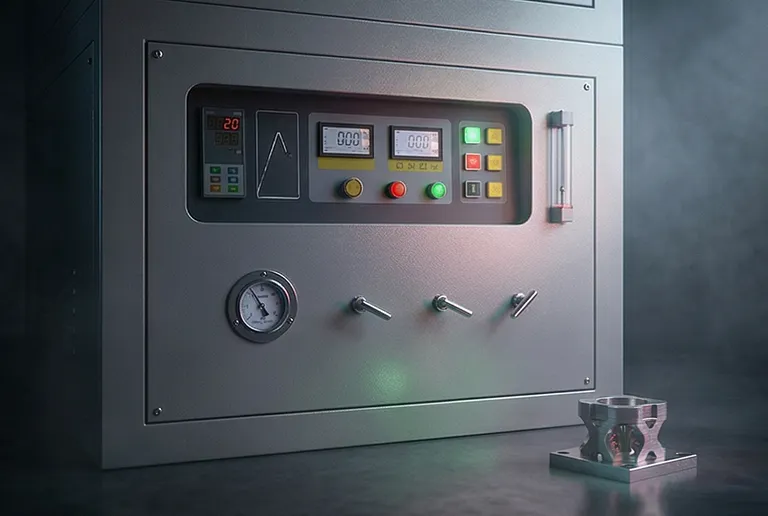
To harness this physics, you cannot rely on a standard lab furnace. You need a system designed to manage high-current delivery while maintaining precise atmospheric control.
At KINTEK, our industrial resistance sintering equipment is engineered specifically for these high-stakes materials. We don’t just provide a heat source; we provide a precision-controlled electric field environment. Our systems are designed to:
- Slash Cycle Times: Turn a multi-hour process into a matter of minutes, dramatically increasing your lab’s ROI.
- Preserve Mechanical Integrity: By sintering faster, you prevent the excessive grain growth that ruins the toughness of 80W–20Re alloys.
- Customizable Parameters: Whether you are working with dental-scale components or large industrial compacts, KINTEK offers customizable furnace configurations to match your specific current and pressure requirements.
Beyond the Fix: Unlocking New Material Potential
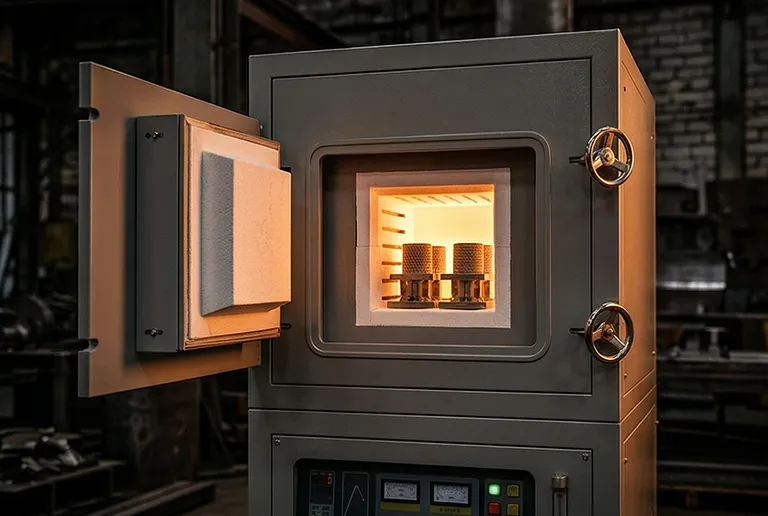
Solving the sintering bottleneck does more than just save time—it opens doors to new engineering possibilities. When you can control the grain orientation through electric field assistance, you are no longer just making a part; you are "tuning" a material.
With the ability to rapidly prototype 80W–20Re alloys, your team can iterate faster, explore more complex geometries, and deliver products to market that were previously deemed too expensive or difficult to manufacture. The transition from radiation to resistance isn't just an equipment upgrade; it’s a strategic shift toward high-efficiency metallurgy.
Whether you are struggling with inconsistent 80W–20Re density or looking to modernize a high-temperature production line, KINTEK’s engineering team is ready to help you optimize your process. Let’s move your production from "waiting" to "working." Contact Our Experts today to discuss your specific sintering challenges.
Related Products
- Vacuum Heat Treat Sintering Furnace with Pressure for Vacuum Sintering
- Spark Plasma Sintering SPS Furnace
- 9MPa Air Pressure Vacuum Heat Treat and Sintering Furnace
- Vacuum Heat Treat Sintering Furnace Molybdenum Wire Vacuum Sintering Furnace
- Chairside Dental Porcelain Zirconia Sintering Furnace with Transformer for Ceramic Restorations
Related Articles
- Why Your Sintered Parts Fail: It’s Not Just About Heat, But Pressure and Purity
- Why Your Stainless Steel Parts Fail Pressure Tests—and How Vacuum Sintering Fixes the Density Gap
- Why Your Electrochromic Electrodes Fail During Sintering—And How Vacuum Control Restores Transparency
- Why Your 3D-Printed Maraging Steel Parts Aren't Performing—And How to Fix the Structural Weakness
- How Vacuum Pressure Sintering Furnaces Elevate Material Performance Across Industries



















