High vacuum diffusion bonding is the only viable method for joining nickel-chromium superalloys in critical thermal protection systems. This specialized equipment is necessary because these alloys are extremely susceptible to oxidation at the high temperatures required for bonding. By creating an oxygen-free environment, the vacuum prevents the formation of persistent oxide films and facilitates the dissociation of existing surface layers, allowing for a permanent, atomic-level bond that can withstand extreme aerospace environments.
Core Takeaway: Nickel-chromium superalloys form resilient oxide barriers that block metallic bonding; high vacuum equipment eliminates these barriers by removing oxygen and degassing the interface, ensuring a seamless solid-phase connection.
The Chemistry of the Interface
The Role of Persistent Oxide Films
Nickel-chromium based superalloys are designed for high-temperature stability, but they react almost instantly with oxygen during the heating process. Even trace amounts of residual oxygen can form persistent oxide films on the surfaces of the components being joined. These films act as a physical and chemical barrier, preventing the direct metallic contact required for atoms to diffuse across the interface.
Chromium Reactivity and Surface Integrity
Chromium, a primary alloying element, is highly reactive and forms stable oxides that are difficult to remove once established. A high vacuum environment, often reaching levels of 1x10^-4 Pa, is essential to significantly reduce the oxidation rate at the joining interface. Without this environment, the chromium would oxidize prematurely, leading to a weak bond that would likely fail under the mechanical stresses of a thermal protection system.
Dissociation and Degassing Mechanisms
The high vacuum does more than just prevent new oxidation; it actively cleans the metal surface. At elevated temperatures, the vacuum condition facilitates the dissociation of existing surface oxides and the removal of adsorbed gas films. This "de-gassing" process ensures that the metal atoms can bridge the gap between components without being blocked by trapped impurities or gas pockets.
Engineering the Atomic Bond
Facilitating Atomic Diffusion
Diffusion bonding relies on the migration of atoms across the interface of two materials held under pressure and heat. In a vacuum, there are no intervening gas molecules to collide with or contaminate the surface, which promotes direct contact between metal atoms. This allows for the internal grain structures of the two parts to grow together, creating a unified material rather than a simple mechanical joint.
Prevention of Internal Defects
In traditional atmospheric or low-vacuum joining, residual gases can become trapped in interface gaps, leading to pores and compositional segregation. High vacuum equipment effectively exhausts these gases from the compact during the initial heating stages. This results in a sound, solid-phase bonded interface that is free of the microscopic voids that often act as initiation points for cracks.
Protection of Active Alloying Elements
Superalloys often contain "getter" elements like titanium and niobium, which are chemically active and easily contaminated. High vacuum heat treatment prevents the oxidation or nitridation of these elements, preserving the precise chemical ratios intended by the materials scientists. This ensures that the finished thermal protection system retains its full mechanical strength and corrosion resistance.
Understanding the Trade-offs
Equipment Complexity and Cycle Time
High vacuum diffusion bonding is a significantly more complex and expensive process than traditional brazing or welding. Achieving and maintaining high vacuum levels requires specialized pumping systems and long "pump-down" times before heating can even begin. This increases the overall cost and limits the throughput of component manufacturing.
Surface Preparation Requirements
While the vacuum environment helps clean the surface, it is not a substitute for meticulous pre-processing. Components must be precision-machined to ensure a perfect fit, as the vacuum cannot bridge large gaps between irregular surfaces. Any residual oils or fingerprints can lead to localized contamination, even in a high vacuum, potentially compromising the bond integrity in critical areas.
Implementing High Vacuum Bonding in Your Process
How to Apply This to Your Project
To achieve the highest quality bond in nickel-chromium superalloys, the vacuum level and thermal cycle must be tailored to the specific alloy composition.
- If your primary focus is Maximum Structural Integrity: Utilize a high vacuum system capable of 1x10^-4 Pa or better to ensure complete dissociation of surface oxides and a pore-free interface.
- If your primary focus is Preventing Alloy Depletion: Ensure precise control of the temperature-time profile within the vacuum furnace to prevent the oxidative loss of volatile alloying elements like cobalt or chromium.
- If your primary focus is Large-Scale Components: Prioritize furnaces with multi-zone heating controls to maintain a uniform temperature across the entire interface, preventing thermal gradients that could cause warping.
By utilizing high vacuum equipment, you ensure that the final assembly achieves the atomic-level homogeneity required for the most demanding thermal protection applications.
Summary Table:
| Key Benefit | Mechanism | Resulting Outcome |
|---|---|---|
| Oxidation Prevention | Oxygen-free environment | Prevents formation of persistent oxide films |
| Surface Cleaning | High vacuum degassing | Dissociates existing oxides for pure metal contact |
| Structural Integrity | Atomic diffusion | Creates a unified, pore-free material interface |
| Alloy Protection | Protective atmosphere | Preserves active elements like titanium and niobium |
Elevate Your Material Integrity with KINTEK Precision
Master the complexities of superalloy joining with KINTEK’s advanced high-temperature solutions. We specialize in providing a comprehensive range of customizable laboratory equipment, including:
- High-Vacuum & Atmosphere Furnaces
- Muffle, Tube, and Rotary Furnaces
- CVD and Induction Melting Systems
- Specialized Dental and Vacuum Furnaces
Whether you are developing critical thermal protection systems or advanced aerospace components, our equipment ensures the precise environment needed to eliminate defects and achieve atomic-level bonding. Contact our experts today to find the perfect customizable solution for your unique needs!
References
- T. A. Manko, V. P. Solntsev. НАУЧНЫЕ И ТЕХНОЛОГИЧЕСКИЕ АСПЕКТЫ ИЗГОТОВЛЕНИЯ ТЕПЛОЗАЩИТНЫХ КОНСТРУКЦИЙ ОРБИТАЛЬНЫХ САМОЛЕТОВ. DOI: 10.29010/085.1
This article is also based on technical information from Kintek Furnace Knowledge Base .
Related Products
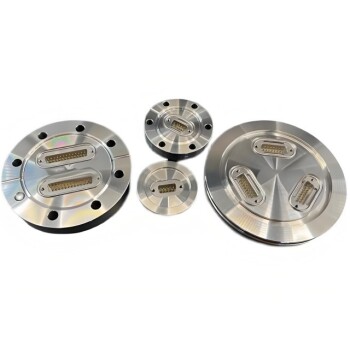
- Ultra-High Vacuum Flange Aviation Plug Glass Sintered Airtight Circular Connector for KF ISO CF
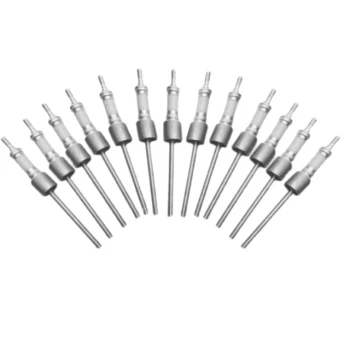
- Ultra Vacuum Electrode Feedthrough Connector Flange Power Lead for High Precision Applications
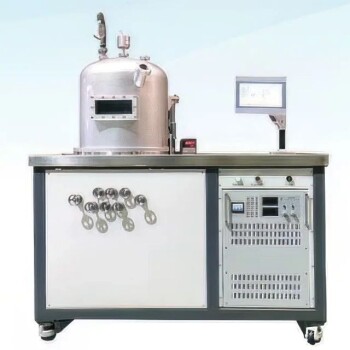
- Vacuum Hot Press Furnace Machine for Lamination and Heating
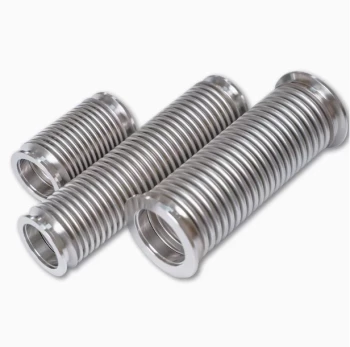
- High Performance Vacuum Bellows for Efficient Connection and Stable Vacuum in Systems
- HFCVD Machine System Equipment for Drawing Die Nano Diamond Coating
People Also Ask
- Why is an Ultra-High Vacuum (UHV) System Required for In2Se3? Achieving Atomic-Level Ferroelectric Clarity
- What is the function of PTFE sealing rings in plastic pyrolysis? Ensure Safe, Anaerobic Material Decomposition
- Why is a PTFE-lined stainless steel autoclave used for Ni12P5 synthesis? Key Benefits for Nanomaterial Production
- What is the function of a Teflon-lined stainless steel autoclave in the hydrothermal synthesis of Bi2O3 precursors?
- Why is a stainless steel autoclave with a Teflon liner necessary for BiVO4? Ensure Purity & High Performance