The primary purpose of reducing chamber pressure below 5 × 10⁻⁴ Pa is to effectively eliminate residual gases, specifically oxygen and water vapor, prior to deposition. This high-vacuum environment is strictly necessary to prevent these gases from reacting with the Nickel-Titanium (NiTi) alloy during the sputtering process.
Core Takeaway NiTi alloys are highly reactive to oxygen. Establishing a high vacuum prevents oxidative contamination that would otherwise consume Titanium elements, alter the critical Ni/Ti atomic ratio, and compromise the film's mechanical stability.
The Mechanics of Contamination Control
Removing Reactive Residuals
The atmosphere within a deposition chamber naturally contains residual gases. The most detrimental among these for NiTi deposition are oxygen and water vapor.
A high-vacuum pump system is essential to evacuate these specific gases. Reaching a pressure below 5 × 10⁻⁴ Pa ensures the background environment is sufficiently "clean" for the deposition process to begin.
The Reactivity of NiTi
Nickel-Titanium is not an inert material. It possesses a high chemical sensitivity and reacts easily with oxygen.
If the vacuum level is insufficient, the sputtering process introduces the alloy to an environment where oxidative reactions are inevitable.
Impact on Stoichiometry and Performance
The Formation of Impurities
When residual oxygen is present, it bonds with the depositing material. This leads to the immediate formation of oxide impurities embedded within the growing film.
These impurities interrupt the crystal structure of the alloy, degrading its overall purity.
Titanium Consumption
The most critical chemical consequence of poor vacuum is the consumption of Titanium. Oxygen has a strong affinity for Titanium and will aggressively bond with it to form oxides.
This reaction effectively "steals" Titanium atoms that were intended to be part of the metallic alloy structure.
Altering the Ni/Ti Ratio
The functional properties of NiTi are heavily dependent on a precise atomic balance between Nickel and Titanium.
Because the Titanium is consumed by oxidation, the amount of metallic Titanium available to bond with Nickel decreases. This alters the Ni/Ti ratio, shifting the composition away from the target stoichiometry.
The Risks of Insufficient Vacuum
Loss of Mechanical Stability
The mechanical properties of NiTi thin films are directly linked to their chemical composition.
If the Ni/Ti ratio shifts due to oxidation, the film loses its stability. The resulting material will not exhibit the consistent mechanical behavior required for high-performance applications.
Compromised Purity
Operating above the 5 × 10⁻⁴ Pa threshold creates a "dirty" deposition environment.
The resulting films will suffer from low purity, making their physical characteristics unpredictable and likely unsuitable for precision use.
Ensuring Deposition Success
To achieve high-quality NiTi thin films, you must prioritize vacuum integrity based on your specific requirements:
- If your primary focus is chemical purity: You must drive pressure down to eliminate water vapor and oxygen, preventing the inclusion of oxide impurities.
- If your primary focus is mechanical performance: You must maintain high vacuum to prevent Titanium depletion, ensuring the Ni/Ti ratio remains stable and precise.
Strict vacuum control is the fundamental safeguard that preserves the alloy's chemical identity and functional reliability.
Summary Table:
| Factor | Requirement | Impact of Poor Vacuum |
|---|---|---|
| Target Pressure | < 5 × 10⁻⁴ Pa | Oxidation of Titanium elements |
| Residual Gases | Oxygen & Water Vapor | Formation of oxide impurities |
| Alloy Balance | Precise Ni/Ti Ratio | Shifted stoichiometry & instability |
| Film Quality | High Chemical Purity | Degraded mechanical performance |
Elevate Your Thin Film Deposition with KINTEK
Precise vacuum control is the difference between a high-performance NiTi alloy and a compromised film. Backed by expert R&D and world-class manufacturing, KINTEK provides high-performance Vacuum Systems, CVD systems, and customizable high-temperature lab furnaces designed to meet the rigorous demands of advanced material science.
Whether you are looking to eliminate oxidative contamination or stabilize atomic ratios, our team of experts is ready to help you configure the perfect solution for your unique research needs.
Achieve Superior Purity - Contact KINTEK Experts Today
References
- André V. Fontes, Ana Sofia Ramos. Exploring the Influence of the Deposition Parameters on the Properties of NiTi Shape Memory Alloy Films with High Nickel Content. DOI: 10.3390/coatings14010138
This article is also based on technical information from Kintek Furnace Knowledge Base .
Related Products
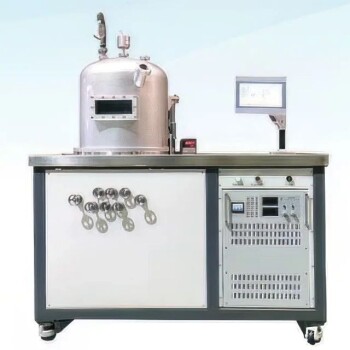
- HFCVD Machine System Equipment for Drawing Die Nano Diamond Coating
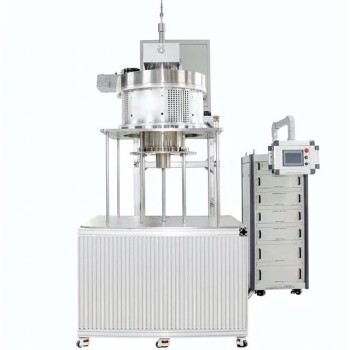
- 915MHz MPCVD Diamond Machine Microwave Plasma Chemical Vapor Deposition System Reactor
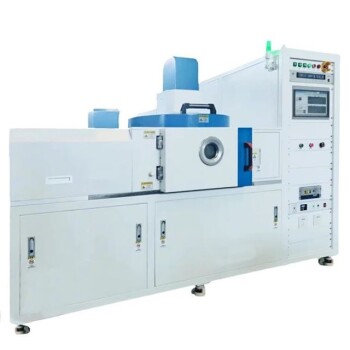
- RF PECVD System Radio Frequency Plasma Enhanced Chemical Vapor Deposition
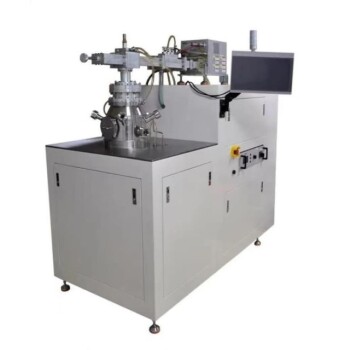
- MPCVD Machine System Reactor Bell-jar Resonator for Lab and Diamond Growth
- Custom Made Versatile CVD Tube Furnace Chemical Vapor Deposition CVD Equipment Machine
People Also Ask
- What is Hot-filament Chemical Vapor Deposition (HFCVD)? Achieve High-Quality Thin Films with Precision Control
- What are the equipment for chemical vapor deposition? A Guide to the 5 Essential Components
- What is the significance of the vacuum pressure control system in the CVD coating process for powders?
- What is the function of high-purity Argon (Ar) gas during CVD? Optimize Your Thin Film Uniformity and Purity
- What are the advantages of using Chemical Vapor Deposition (CVD) for coating turbine blades? Enhance Life & Performance