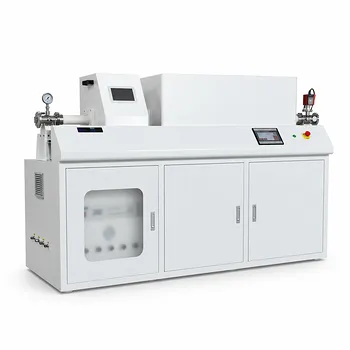
Quartz working chambers are favored in biochar pyrolysis primarily for their exceptional chemical inertness and high-temperature stability, which can reach up to 1150°C. These reactors prevent unwanted chemical reactions between the biomass and the reactor walls, ensuring that the resulting biochar and volatile products remain free from metal contamination. Furthermore, their transparency allows researchers to monitor the physical transformation of the feedstock in real-time.
Core Takeaway: A quartz working chamber serves as a chemically neutral, high-heat environment that protects the integrity of experimental data by eliminating secondary reactions and allowing for precise observation of the pyrolysis process.
Exceptional Thermal and Chemical Stability
High-Temperature Endurance
Quartz chambers can withstand extreme experimental temperatures, typically ranging from 1100°C to 1150°C, without deforming. This high thermal ceiling is essential for specialized pyrolysis processes that require intense heat to achieve specific carbon structures.
Chemical Inertness
Unlike metal reactors, quartz does not react with biomass, catalysts, or coal samples at high temperatures. This chemical neutrality ensures that the reactor walls do not interfere with the reaction kinetics, preserving the high purity of the biochar precursors.
Resistance to Corrosive Media
In activation experiments involving steam or chemical agents, quartz remains stable and non-reactive even at 850°C. This allows for the uniform passage of activation media through the sample layer, which is critical for producing high-quality activated carbon with high specific surface areas.
Enhanced Experimental Control and Observation
Real-Time Visual Monitoring
The inherent transparency of quartz provides a significant advantage by allowing operators to observe material changes, such as color shifts or phase transitions, during the heating process. This visual feedback is invaluable for troubleshooting and understanding the stages of thermal degradation.
Cleanliness and Contamination Prevention
Quartz tubes feature clean, smooth inner walls that effectively prevent secondary contamination of volatile products during transport. This ensures that the gases and oils collected for analysis are a true representation of the biomass decomposition, rather than products of wall-catalyzed side reactions.
Controlled Atmospheric Integrity
Quartz reactors provide a highly reliable sealed environment, which is necessary for maintaining strict anaerobic conditions. By effectively managing the flow of inert gases like nitrogen, these chambers ensure uniform carbonization and prevent accidental oxidation of the biochar.
Understanding the Trade-offs
Fragility and Handling Requirements
The most significant drawback of quartz is its brittleness. Unlike stainless steel reactors, which offer high structural integrity and impact resistance, quartz is prone to cracking or shattering if handled improperly or subjected to extreme mechanical stress.
Scalability and Cost Factors
While quartz is ideal for laboratory-scale research and high-purity applications, it is often more expensive and difficult to manufacture in large industrial dimensions compared to metal alloys. For massive industrial throughput where extreme purity is less critical than structural durability, stainless steel may be preferred.
Thermal Conduction Differences
Quartz has different thermal conduction properties than metal. While it provides excellent thermal penetration, stainless steel reactors often offer more rapid and uniform thermal conduction across the entire reactor body, which can be an advantage in certain rapid-heating configurations.
Making the Right Choice for Your Goal
Selecting a reactor material depends heavily on your specific research or production requirements.
- If your primary focus is high-purity analytical research: A quartz chamber is the definitive choice to ensure that no metal ions or wall reactions interfere with your biochar composition.
- If your primary focus is visual monitoring of reaction stages: Quartz is the only viable option that allows for real-time observation of the biomass as it undergoes thermal degradation.
- If your primary focus is industrial-scale durability and throughput: A stainless steel fixed-bed reactor may be more appropriate due to its superior structural integrity and resistance to mechanical wear.
By prioritizing chemical neutrality and visual access, a quartz working chamber provides the most controlled environment for high-precision biochar synthesis.
Summary Table:
| Feature | Advantage for Biochar Pyrolysis |
|---|---|
| Temperature Limit | Stable up to 1150°C for intense carbonization |
| Chemical Inertness | Eliminates metal contamination and wall-catalyzed reactions |
| Transparency | Allows real-time visual observation of phase transitions |
| Corrosion Resistance | Resists steam and chemical agents during activation |
| Atmosphere Control | Ensures strict anaerobic conditions for high-quality biochar |
Elevate Your Research with KINTEK Precision Furnaces
Achieve unmatched purity and control in your biochar experiments with KINTEK’s specialized high-temperature laboratory equipment. Whether you require a quartz tube furnace for high-purity analytical research or a customized atmosphere or vacuum furnace for complex carbonization, our solutions are designed to meet the rigorous demands of modern material science.
Why choose KINTEK?
- Comprehensive Range: From muffle and tube furnaces to rotary, CVD, and induction melting systems.
- Customizable Solutions: Tailored chamber materials and dimensions to fit your unique pyrolysis needs.
- Reliable Performance: Engineered for thermal stability and precise atmospheric integrity.
Ready to optimize your pyrolysis process? Contact our technical experts today to find the perfect high-temperature furnace for your laboratory!
References
- Karla Plenča, Ana Lončarić Božić. Biomass Pyrolysis-Derived Biochar: A Versatile Precursor for Graphene Synthesis. DOI: 10.3390/ma16247658
This article is also based on technical information from Kintek Furnace Knowledge Base .
Related Products
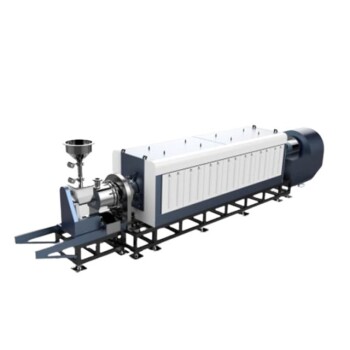
- Electric Rotary Kiln Small Rotary Furnace Biomass Pyrolysis Plant Rotating Furnace
- Electric Rotary Kiln Pyrolysis Furnace Plant Machine Small Rotary Kiln Calciner
- Electric Rotary Kiln Continuous Working Small Rotary Furnace Kiln for Pyrolysis Plant Heating
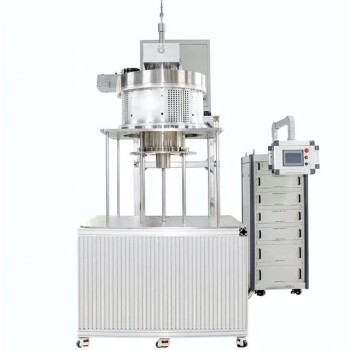
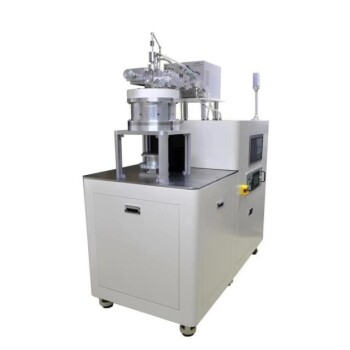
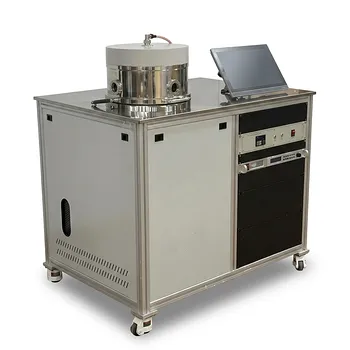
- 915MHz MPCVD Diamond Machine Microwave Plasma Chemical Vapor Deposition System Reactor
- Custom Made Versatile CVD Tube Furnace Chemical Vapor Deposition CVD Equipment Machine
People Also Ask
- What are the key components of a rotary kiln electric furnace? Unlock Efficient Thermal Processing
- What is the significance of the refractory lining in a rotary kiln electric furnace? Unlock Efficiency and Longevity
- What are the main applications of a rotary kiln electric furnace? Achieve Uniform Heat Treatment for Powders
- What are the key components of a rotary kiln's construction? Discover the Essential Parts for Efficient Industrial Processing
- What are the differences between direct-heat and indirect-heat rotary kilns? Choose the Right Kiln for Your Process