High-performance vacuum pump systems and heating systems are the critical gatekeepers of material integrity in aluminum-based composite manufacturing. These systems work in tandem to eliminate adsorbed moisture, volatile organic compounds (VOCs), and residual gases from powder surfaces before densification. By achieving vacuum levels as deep as 10⁻³ Pa at temperatures around 723 K (450°C), they prevent the formation of internal bubbles and oxidative layers that would otherwise compromise the final material's strength.
The primary function of integrated vacuum and heating systems is to chemically and physically "clean" the raw material surfaces at a molecular level. This process converts a contaminated powder or laminate into a pristine substrate, which is a prerequisite for achieving the high-density and superior interfacial bonding required in high-performance composites.
The Mechanics of Surface Decontamination
Synergistic Removal of Adsorbed Contaminants
Heating the aluminum-based materials to specific temperatures, such as 723 K (450°C), provides the thermal energy necessary to break the bonds of adsorbed moisture and VOCs. The high-performance vacuum pump then immediately extracts these liberated molecules, ensuring they do not re-settle on the material.
Driving the Evaporation of Impurities
A high-vacuum environment significantly lowers the boiling point of volatile impurities and increases the driving force for evaporation. This allows harmful metallic and organic contaminants to be stripped away at temperatures that are high enough to be effective but low enough to avoid melting the base alloy.
Extraction of Trapped Air
In laminated or powder structures, air is often trapped within the gaps of the raw material. The vacuum system functions to exhaust this residual air before the sealing or sintering process, which is essential for ensuring the final product reaches its maximum theoretical density.
Ensuring Structural and Interfacial Integrity
Prevention of Internal Pore Formation
If moisture and gases are not removed during the degassing phase, they become trapped during high-pressure processes like Hot Isostatic Pressing (HIP). These trapped gases expand or react at high temperatures, creating internal pores and bubbles that act as failure points in the composite.
Inhibiting Oxidative Film Growth
Aluminum is highly reactive; a high vacuum of 10⁻³ Pa or better is required to minimize the presence of oxygen during processing. By maintaining this environment, the system prevents the formation of oxide films that would otherwise block atomic diffusion and hinder direct metallic bonding between particles.
Optimizing Interfacial Bonding Quality
The ultimate goal of degassing is to ensure a "clean" contact interface between the reinforcement (such as tungsten or amorphous alloys) and the aluminum matrix. This cleanliness is decisive for unobstructed elemental diffusion, which dictates the mechanical strength and thermal conductivity of the finished composite.
Understanding the Trade-offs
Temperature and Time Constraints
While higher temperatures accelerate degassing, they also risk grain growth or unwanted phase changes in the aluminum alloy. Engineers must balance the degassing duration with the thermal sensitivity of the specific alloy to maintain the desired ductility and corrosion resistance.
Equipment Complexity and Maintenance
Achieving and maintaining a vacuum level of 10⁻³ Pa requires sophisticated multi-stage pump groups (such as mechanical pumps paired with diffusion or turbomolecular pumps). These systems are sensitive to the very contaminants they remove, requiring robust filtration and frequent maintenance to prevent system degradation.
How to Apply This to Your Project
Making the Right Choice for Your Goal
To maximize the effectiveness of your vacuum degassing process, consider the following strategic priorities:
- If your primary focus is Maximum Density: Prioritize the vacuum level (aiming for < 1.0 x 10⁻³ Pa) to ensure no residual air remains trapped in the powder compact before sintering.
- If your primary focus is Interfacial Bond Strength: Focus on the heating cycle to ensure all surface moisture and VOCs are fully desorbed before the material is encapsulated.
- If your primary focus is Oxidation Control: Ensure the dynamic vacuum system remains active throughout the entire heating and cooling ramp to remove any outgassed oxygen immediately.
By masterfully controlling the synergy between thermal energy and low-pressure extraction, you ensure that the internal architecture of your aluminum composite is as clean and robust as its external design.
Summary Table:
| System Component | Key Function | Benefit to Material |
|---|---|---|
| High-Performance Vacuum | Removes residual air & VOCs (10⁻³ Pa) | Prevents internal pores & oxidation |
| Heating System | Breaks surface molecular bonds (723 K) | Facilitates desorption of contaminants |
| Synergistic Action | Creates pristine powder surfaces | Optimizes interfacial bonding & diffusion |
Elevate Your Material Integrity with KINTEK
Achieve the ultimate precision in your vacuum degassing and sintering processes with KINTEK. As specialists in laboratory equipment, we offer a comprehensive range of high-temperature furnaces, including vacuum, CVD, muffle, tube, and induction melting systems.
Our customizable solutions ensure your aluminum-based composites achieve maximum density and superior mechanical strength through optimized thermal and pressure control.
Ready to refine your research or production? Contact us today to find the perfect furnace for your unique needs!
References
- Zheng Lv, Yang Li. Interfacial Microstructure in W/2024Al Composite and Inhibition of W-Al Direct Reaction by CeO2 Doping: Formation and Crystallization of Al-Ce-Cu-W Amorphous Layers. DOI: 10.3390/ma12071117
This article is also based on technical information from Kintek Furnace Knowledge Base .
Related Products
- Vacuum Induction Melting Furnace
- Vacuum Heat Treat Sintering Furnace with Pressure for Vacuum Sintering
- Vacuum Heat Treat Sintering and Brazing Furnace
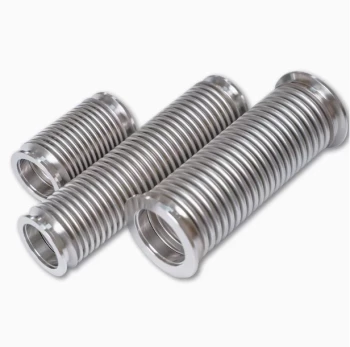
- High Performance Vacuum Bellows for Efficient Connection and Stable Vacuum in Systems
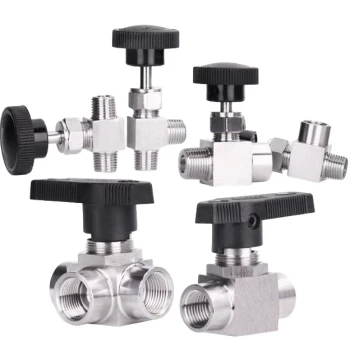
- 304 316 Stainless Steel High Vacuum Ball Stop Valve for Vacuum Systems
People Also Ask
- What are the core functions of the High Vacuum Induction Melting (VIM) furnace? Optimize DD5 Superalloy Purification
- Why is a Vacuum Induction Melting furnace (VIM) used for Cu-Zn-Al-Sn alloys? Achieve Precision Composition Control
- What role does a Vacuum Induction Melting furnace play in the production of high-aluminum nickel-based superalloys?
- What is the role of VIM and directional solidification in aero-engine blade substrates? Engineering Extreme Durability
- What are the advantages of using a VIM furnace to control residual oxygen pressure? Achieve Superior Metal Uniformity