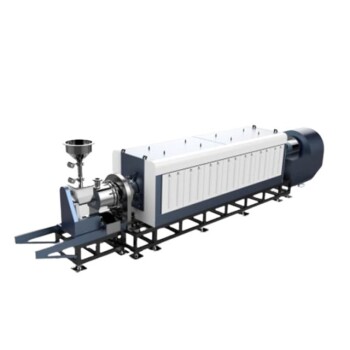
The primary function of a box resistance furnace in the pre-pyrolysis stage is the thermal purification of raw animal bones. By maintaining a controlled environment between 100°C and 300°C, the furnace removes residual soft tissue, fats, and blood. This critical cleaning step ensures that organic impurities do not interfere with the structure or chemical integrity of the bone char during the subsequent high-temperature carbonization phase.
A muffle furnace acts as a precision cleaning tool during pre-pyrolysis, utilizing low-range thermal energy to strip away non-bone organic matter. This preparation is essential for achieving a high-quality carbonization effect and a superior final pore structure.
The Role of Low-Temperature Thermal Pre-treatment
Removing Organic Contaminants
In the initial preparation of bone char, the furnace operates at a relatively low temperature range of 100°C to 300°C. This specific range is high enough to decompose and evaporate soft tissues, fats, and blood without yet triggering the full pyrolysis of the bone's structural components.
Protecting the Carbonization Process
If these organic impurities remain during the high-temperature pyrolysis stage, they can lead to irregular carbon deposits. By removing them early, the furnace ensures that the carbonization effect remains consistent, leading to a more predictable and high-quality end product.
Technical Advantages of Using a Muffle Furnace
Precise Temperature Regulation
The ability of a box resistance furnace to maintain stable and controllable temperatures is vital for pre-pyrolysis. Even slight deviations outside the 100°C–300°C range can either leave behind unwanted fats or begin the premature breakdown of the bone matrix itself.
Establishing the Physical Foundation
While the primary carbonization happens later, this early stage sets the stage for pore structure development. A clean raw material allows for the formation of a more uniform and high-capacity adsorption surface once the bone reaches higher temperatures.
Understanding the Trade-offs
Temperature Overshoot Risks
One of the primary pitfalls in using a muffle furnace for pre-pyrolysis is temperature overshoot. If the furnace exceeds 300°C too early, it may initiate the pyrolysis of the bone's collagen prematurely, which can negatively impact the ultimate surface functional groups and adsorption efficiency.
Energy Efficiency vs. Purity
While a thorough pre-pyrolysis stage ensures a purer product, it adds an extra thermal cycle to the production process. Producers must balance the energy costs of this multi-stage heating approach against the requirement for high-activity bone char with specific pore volumes.
Making the Right Choice for Your Goal
To achieve the best results in bone char preparation, the use of the muffle furnace must be tailored to the specific requirements of the final material.
- If your primary focus is high adsorption activity: Ensure the pre-pyrolysis stage is strictly maintained under 300°C to remove all fats without damaging the bone’s mineral-organic framework.
- If your primary focus is consistent char color and purity: Utilize the furnace’s programmable settings to ensure a slow, steady ramp-up, which prevents the trapping of organic gases within the bone structure.
- If your primary focus is maximizing pore structure: Use the pre-pyrolysis stage to guarantee a "clean slate" raw material, allowing the subsequent 400°C–600°C pyrolysis stage to develop an unobstructed internal surface area.
Properly executed pre-pyrolysis transforms raw animal waste into a refined precursor, ensuring the final bone char meets the rigorous standards required for industrial adsorption.
Summary Table:
| Stage | Temperature Range | Primary Function | Impact on Final Quality |
|---|---|---|---|
| Pre-Pyrolysis | 100°C – 300°C | Thermal purification & organic removal | Ensures clean raw material & consistent carbonization |
| Carbonization | 400°C – 600°C | Full pyrolysis of bone matrix | Develops high-capacity adsorption & pore structure |
| Refinement | Variable | Surface functional group optimization | Maximizes adsorption efficiency for industrial use |
Optimize your material synthesis with KINTEK’s precision laboratory equipment. As specialists in high-temperature technology, KINTEK offers a comprehensive range of customizable furnaces—including muffle, tube, vacuum, and CVD systems—designed to meet the rigorous demands of bone char preparation and advanced carbonization research. Ensure stable temperature control and superior product purity for your lab. Contact our experts today to find the perfect furnace solution for your unique requirements!
References
- Gustavo Franco de Castro, Jairo Tronto. Bone char: characterization and agronomic application as an alternative source of phosphorus. DOI: 10.36783/18069657rbcs20230165
This article is also based on technical information from Kintek Furnace Knowledge Base .
Related Products
- High Temperature Muffle Oven Furnace for Laboratory Debinding and Pre Sintering
- 1200℃ Muffle Oven Furnace for Laboratory
- 1400℃ Muffle Oven Furnace for Laboratory
- Laboratory Muffle Oven Furnace with Bottom Lifting
- 1800℃ High Temperature Muffle Oven Furnace for Laboratory
People Also Ask
- What thermal phenomena occur during polymer binder burnout in ceramic green bodies? Lab Furnace Guide
- What role does a high-temperature muffle furnace play in STFO synthesis? Achieve Pure Perovskite Results
- Why is controlled heat treatment in a muffle furnace necessary for calcined clay? Achieve Optimal Pozzolanic Activity
- How does a high-temperature muffle furnace facilitate the formation of LaNbxAl1−xO3+δ perovskite structures? Key Roles
- What role does a high-temperature muffle furnace play in the formation of biochar catalysts? Master Catalyst Synthesis