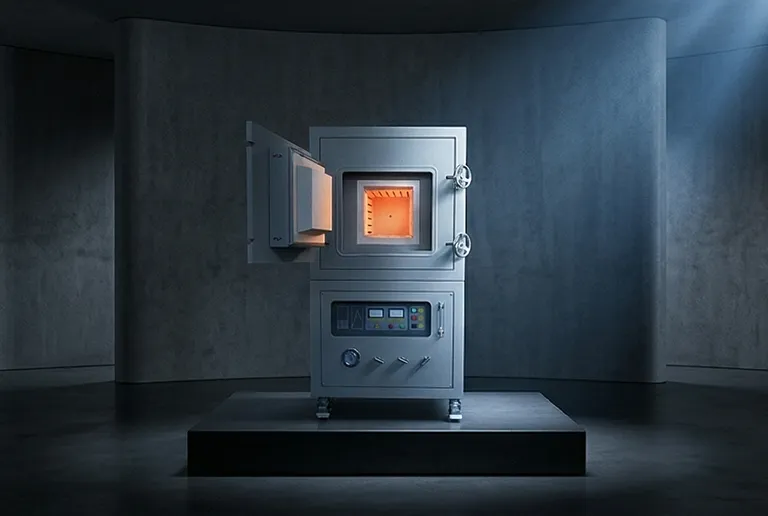
The Frustration of the "Ghost" Microstructure
You’ve spent days calibrating your vacuum furnace, meticulously preparing your steel substrates, and calculating the exact thermal ramp required for a perfect braze. But when the sample comes out and you place it under the scanning electron microscope (SEM), the results are baffling. Instead of a clean interface, you see a chaotic mess of unintended intermetallic phases and "ghost" elements that shouldn't be there.
Your data is noisy, your grain boundary analysis is inconclusive, and you’re left wondering: was it the furnace atmosphere, a temperature fluctuation, or something more fundamental?
The Common Struggle: Chasing Shadows in the Lab
When brazing experiments fail to yield clear data, the instinctive reaction is often to tweak the equipment. Researchers might increase the soaking time, double-check the vacuum levels, or recalibrate the thermocouples in their tube furnaces.
While these factors are critical, focusing solely on the "how" of heating often overlooks the "what" of the materials involved. Using standard-grade copper or "industrial-pure" fillers often introduces a cocktail of trace impurities—silicon, lead, or oxygen—that migrate at high temperatures. These impurities don't just sit there; they react, creating a "chemical smog" that masks the actual mechanisms of copper dissolution and penetration you are trying to study.
The business consequence is a bottleneck in R&D: projects stall, material costs rise due to repeated trials, and the path to a high-performance industrial joint remains clouded by unreliable lab data.
The Root of the Problem: Why 0.1% Impurity Is a 100% Failure
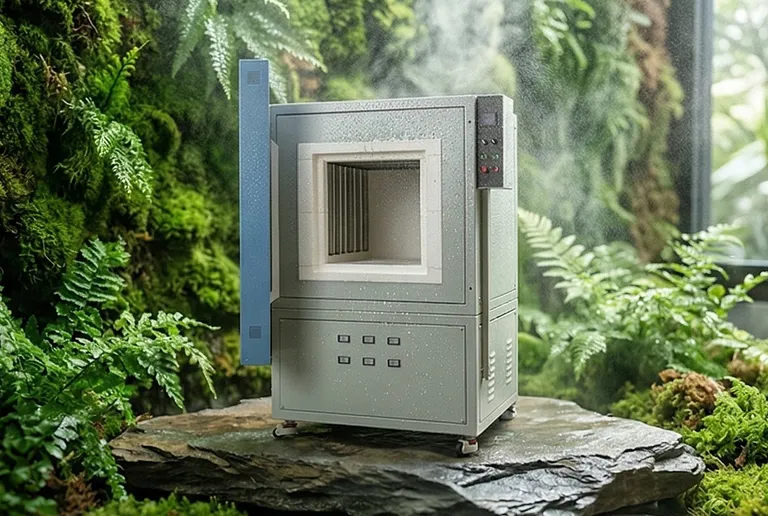
The fundamental reason these experiments fail lies in the physics of wetting and grain boundary penetration. In a brazing experiment, you aren't just "gluing" two pieces of metal together; you are observing a delicate dance of atoms at the interface.
Standard fillers have unpredictable melting behaviors. If your filler metal isn't chemically "quiet," you cannot hear what the experiment is trying to tell you. Impurity elements interfere with the flowability of the melt, creating uneven wetting. More importantly, they clog the pathways into the steel grain boundaries. When you attempt to analyze how copper penetrates the substrate, you can’t tell if the result was caused by the copper itself or by a trace contaminant that lowered the melting point or changed the surface tension.
Furthermore, in specialized high-temp equilibrium studies (such as those involving slag and metal phases), using conventional ceramic containers can introduce further contamination. Without a way to isolate the reaction, your "pure" experiment is compromised by the very vessel holding it.
The Solution: High-Purity Copper Foil as a Precision Instrument
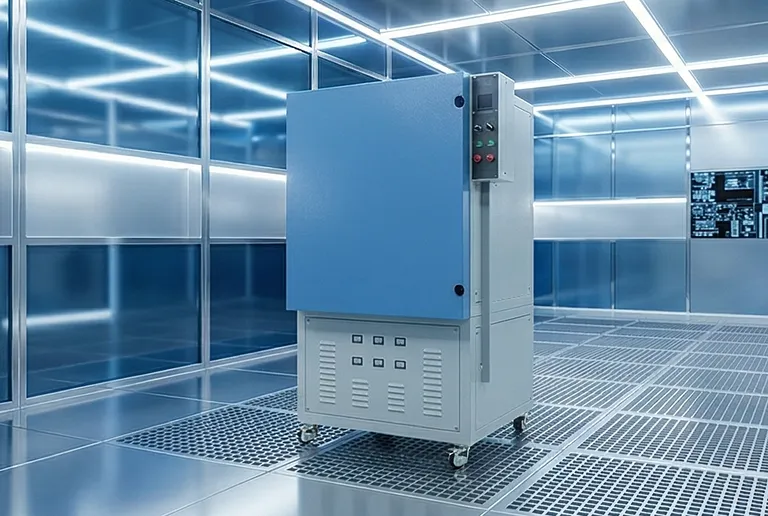
To eliminate this noise, the solution isn't just "purer metal"—it is the specific application of 99.99% High-Purity Copper Foil.
At KINTEK, we view high-purity copper foil not just as a consumable, but as a precision instrument designed to work in tandem with our high-temperature furnaces. Here is why this 99.99% threshold is the "magic number" for experimental success:
- Predictable Fluid Dynamics: With a purity of 99.99%, the copper melts at a precise, designated point. Its flowability is consistent, ensuring it wets the steel substrate uniformly every single time.
- Microstructure Clarity: By removing impurity elements, you ensure that the only elements visible under the microscope are the ones you intended to study. This allows for a crystal-clear observation of how copper atoms dissolve into and penetrate the steel grain boundaries.
- A "Containerless" Solution: In complex slag-metal experiments, high-purity copper foil can actually serve as a physical support and an oxygen potential regulator. It allows samples to reach equilibrium under specific conditions without the risk of chemical interference from ceramic containers.
Our range of CVD, Vacuum, and Muffle furnaces provides the stable, controlled environment necessary for these high-purity foils to perform. When you pair a KINTEK furnace with high-purity filler materials, you aren't just heating a sample; you are creating a "clean room" at the molecular level.
Beyond the Fix: Accelerating Material Discovery
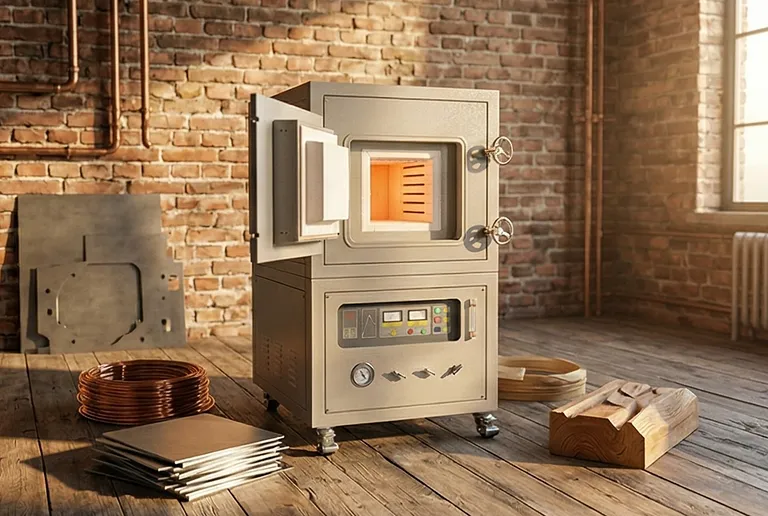
When you solve the problem of chemical noise, you unlock a new level of experimental velocity. Instead of spending weeks troubleshooting why a joint failed, you can move immediately to optimizing the performance of your materials.
With 99.99% purity and precise thermal control, you can now:
- Conduct highly accurate grain boundary engineering studies.
- Simulate industrial smelting environments with zero container contamination.
- Develop high-strength brazed joints for aerospace or energy applications with data you can actually trust.
By stabilizing the variables at the root level, you transform your lab from a place of "trial and error" to a center of "precision and discovery."
Solving complex high-temperature challenges requires more than just high-heat; it requires a synergy between high-precision equipment and high-purity materials. At KINTEK, we specialize in providing both the furnaces and the specialized consumables needed to turn your experimental "noise" into breakthrough data. Whether you are struggling with inconsistent brazing results or need a custom thermal solution for slag-metal equilibrium studies, our team is ready to help you refine your process.
Contact Our Experts today to discuss how we can tailor our high-temperature solutions to your specific research goals.
Related Products
Related Articles
- Mastering the Void: How Tube Furnaces Forge the Atoms of Innovation
- Why Your Crystal Growth Experiments Are Failing: The Hidden Culprit in Your Tube Furnace
- Beyond Heat: Mastering the Controlled Universe Inside a Tube Furnace
- More Than a Dial: The Psychology of Precision in Tube Furnace Control
- Mastering the Void: How Tube Furnaces Engineer Predictable Outcomes

