
At their core, the primary advantages of ceramic crowns are their superior, natural-looking aesthetics and their excellent biocompatibility, making them an ideal choice for patients who prioritize appearance or have metal allergies. Modern ceramic materials have also been engineered for impressive strength and durability, allowing them to be used successfully throughout the mouth.
While older porcelain crowns were known primarily for looks, modern advancements in materials like zirconium dioxide mean today's ceramic crowns offer a powerful combination of both world-class aesthetics and functional strength.
The Core Advantages of Ceramic Crowns
A dental crown is a long-term investment in your health and appearance. Understanding the specific benefits of ceramic materials helps clarify why they are often the preferred choice in modern dentistry.
Unmatched Aesthetics and Customization
The most significant advantage of an all-ceramic crown is its ability to mimic the natural appearance of a tooth.
Unlike metal-based crowns, ceramic material is translucent, meaning it allows some light to pass through it, just like natural tooth enamel. This quality prevents the opaque, flat look that can make other crowns stand out. Lab technicians can precisely match the crown's color, shade, and texture to your adjacent teeth, creating a seamless, natural-looking restoration that is virtually undetectable.
Excellent Biocompatibility
Biocompatibility refers to how a material interacts with the living tissues in your body.
Because ceramic crowns contain no metal, they are an excellent option for anyone with a known metal allergy or sensitivity. They are inert and well-tolerated by the gum tissue, often leading to healthier gums around the crown margin compared to some metal-based alternatives.
Impressive Strength and Durability
A common misconception is that ceramic crowns are fragile. While early porcelains could be brittle, modern dental ceramics are exceptionally strong and resilient.
Materials like zirconium dioxide and lithium disilicate offer high fracture resistance and can withstand significant biting forces. This makes them suitable not just for front teeth, but also for high-stress areas like molars.
Precision Fit and Longevity
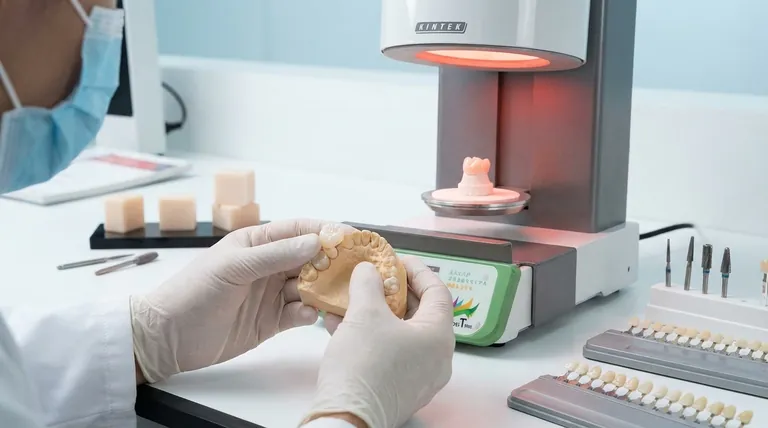
The advanced fabrication process for ceramic crowns allows for incredible precision. Dentists and labs use digital scans and milling technologies to create a restoration that fits perfectly.
A precise fit is critical. It ensures the crown seals the underlying tooth from bacteria, reducing the risk of future decay. This accuracy also means fewer adjustments are needed, leading to a more comfortable process and contributing to the crown's long-term success.
Understanding the Trade-offs
No dental material is perfect for every situation. To make an informed decision, it's crucial to understand the potential downsides.
Potential Abrasiveness to Opposing Teeth
Some very hard ceramic materials, particularly certain types of zirconia, can be more abrasive than natural enamel. Over many years, this can cause wear on the opposing tooth it bites against. Your dentist will consider this when selecting the specific material and will polish the crown to be as smooth as possible.
Risk of Fracture Under Specific Forces
While modern ceramics are strong under compression (biting down), they can be more brittle than gold or porcelain-fused-to-metal (PFM) crowns when subjected to certain shearing or twisting forces. A proper tooth preparation by your dentist and a well-designed crown minimize this risk significantly.
Cost Considerations
Generally, all-ceramic crowns are considered a premium restoration and may have a higher initial cost compared to PFM or full-metal crowns. However, their durability and aesthetic benefits often justify the investment for many patients.
Making the Right Choice for Your Goal
Your dentist will provide the best recommendation for your specific clinical needs, but understanding these principles empowers you to be part of the conversation.
- If your primary focus is aesthetics (especially for a front tooth): An all-ceramic crown is the undisputed gold standard for a natural, lifelike appearance.
- If your primary focus is durability for a back tooth (molar): Modern ceramics like zirconia are an excellent choice, offering both strength and a tooth-colored result.
- If you have a confirmed metal allergy or sensitivity: An all-ceramic crown is the safest and most appropriate option to avoid any adverse reactions.
Ultimately, choosing the right crown involves balancing appearance, function, and longevity with your specific dental situation.
Summary Table:
| Advantage | Key Benefit |
|---|---|
| Aesthetics | Mimics natural tooth translucency and color for a seamless look |
| Biocompatibility | Metal-free, ideal for patients with allergies; promotes healthy gums |
| Strength & Durability | Modern materials like zirconia withstand significant biting forces |
| Precision Fit | Advanced fabrication ensures a perfect seal, protecting the underlying tooth |
Ready to Restore Your Smile with Confidence?
Choosing the right dental crown is a significant decision for your oral health and appearance. The advanced materials and precise fabrication techniques behind modern ceramic crowns ensure a restoration that is not only beautiful but also durable and biocompatible.
At KINTEK, we understand that exceptional results start with exceptional materials. Leveraging our advanced R&D and in-house manufacturing capabilities, we provide dental laboratories with the high-quality ceramic materials and furnace solutions needed to create perfect crowns. Our product line, including high-temperature furnaces for sintering materials like zirconia, is complemented by strong deep customization capabilities to meet the unique requirements of dental technicians and dentists.
Let us help you achieve the perfect result for your patients. Contact our experts today to learn more about how our solutions can support your laboratory's success.
Visual Guide
Related Products
- Chairside Dental Porcelain Zirconia Sintering Furnace with Transformer for Ceramic Restorations
- Dental Porcelain Zirconia Sintering Ceramic Vacuum Press Furnace
- Vacuum Dental Porcelain Sintering Furnace for Dental Laboratories
People Also Ask
- What factors determine the quality of sintered zirconia restorations? Master Material, Equipment, and Technique
- How do conventional vs rapid sintering in dental furnaces affect zirconia? Optimize Efficiency Without Sacrificing Strength
- What industries use zirconia sintering furnaces? Beyond Dental and Jewelry Applications
- What type of heating elements are preferred for zirconia sintering and why? Choose SiC or MoSi2 for Optimal Results
- Why is a zirconia sintering furnace considered essential for dental laboratories and clinics? Unlock Precision and Durability


