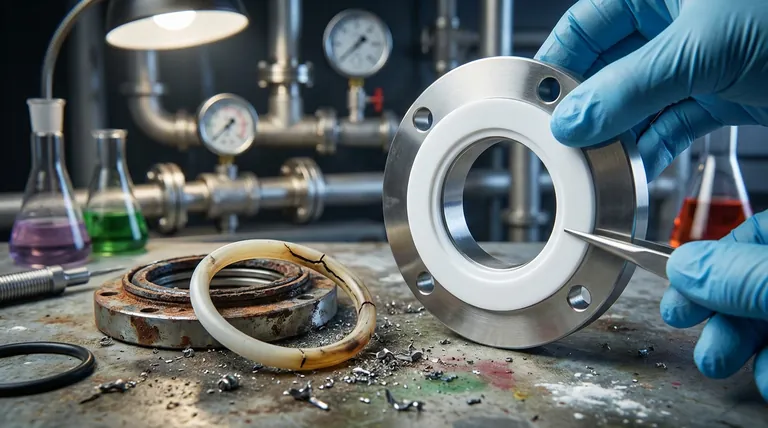
It’s a familiar, frustrating sight: a critical seal, meant to last for months, has turned brittle and cracked after just weeks in service. Or perhaps a protective liner inside a process tank is showing signs of blistering, threatening to contaminate a high-purity batch worth thousands.
Production grinds to a halt. Timelines are jeopardized. And the expensive, time-consuming search for a "better" material begins all over again. If this cycle of unexpected component failure feels like a constant battle, you're not alone.
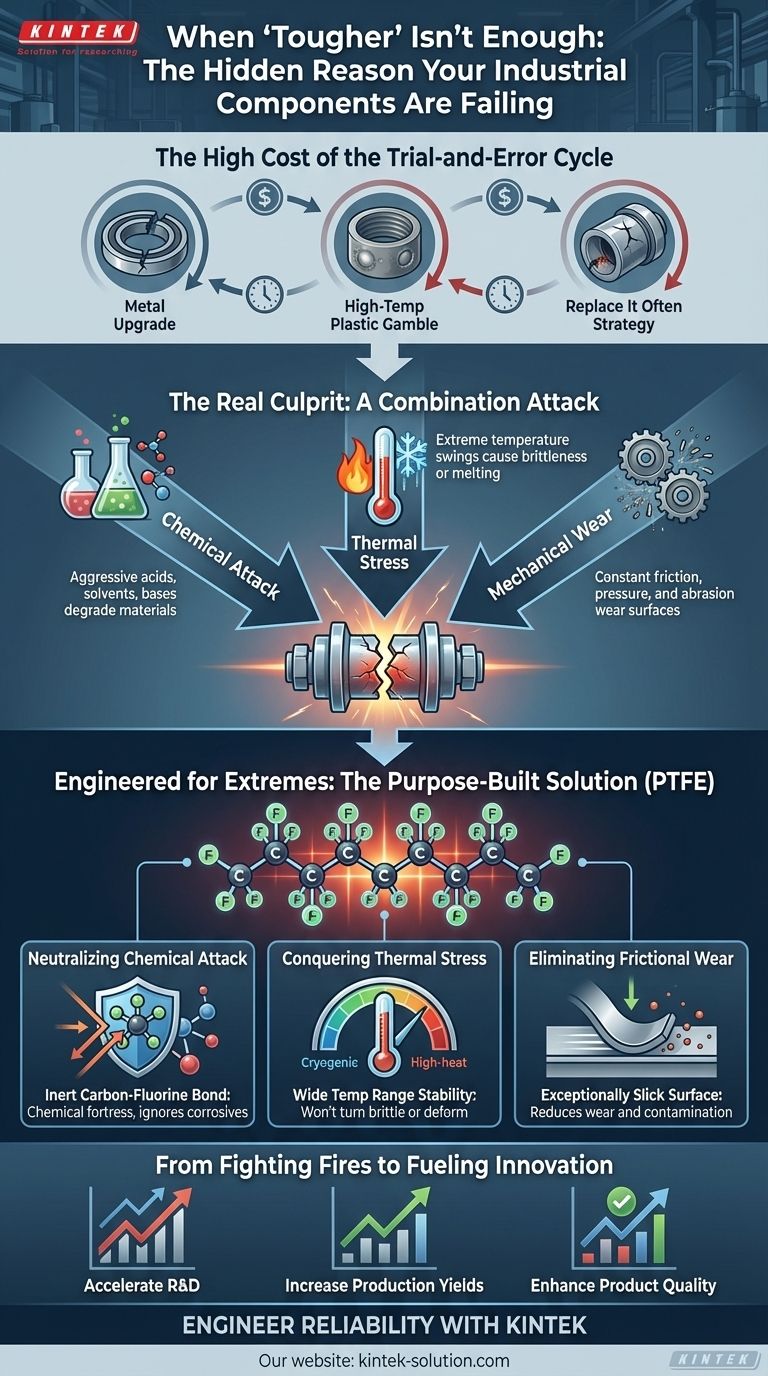
The High Cost of the Trial-and-Error Cycle
When a component fails in a demanding environment, the typical response is to find a replacement that's "stronger," "harder," or more "heat-resistant." This leads to a predictable pattern of attempted fixes:
- The Metal Upgrade: A standard plastic seal fails, so you switch to a special metal alloy. It works for a while, until an aggressive cleaning agent or process chemical corrodes it, leading to leaks and contamination.
- The High-Temp Plastic Gamble: The metal alloy failed, so you try a robust engineering plastic. It handles the chemicals, but can't withstand the temperature spikes of the process, eventually warping or melting under load.
- The "Replace It Often" Strategy: Accepting failure as inevitable, teams resort to frequent, scheduled replacements. This turns a design flaw into a permanent operational cost, draining maintenance budgets and creating constant downtime risk.
Each of these "solutions" treats a single symptom, not the underlying disease. The business consequences are severe: unscheduled downtime that cascades through the production line, lost batches that destroy profitability, and potential safety hazards from leaking corrosive materials. It's a reactive strategy that guarantees you'll always be one step behind the next failure.
The Real Culprit: It’s Not One Problem, It’s a Combination Attack
The reason these conventional fixes fail is simple but profound: your components aren't fighting one battle; they are fighting a war on multiple fronts simultaneously.
A single material might excel at handling high temperatures, but it becomes vulnerable when a corrosive solvent is introduced. Another material might be incredibly resistant to chemicals but will quickly wear down under constant friction.
The true point of failure is almost always the combination of hostile conditions:
- Chemical Attack: Aggressive acids, solvents, and bases that actively work to dissolve or degrade material structures.
- Thermal Stress: Extreme temperature swings, from cryogenic lows to high-heat processing, that cause materials to become brittle or lose their structural integrity.
- Mechanical Wear: Constant friction, pressure, and abrasion that physically wear down surfaces.
Most engineering materials are designed to solve for one, maybe two, of these challenges. But in modern industrial, semiconductor, and laboratory environments, components are routinely exposed to all three at once. This multi-front attack is the hidden reason why parts that look good on a spec sheet fail prematurely in the real world.
Engineered for Extremes: The Purpose-Built Solution
To win a war on multiple fronts, you need a material that wasn't designed to be good at one thing, but to be unfazed by everything. This is the unique domain of Polytetrafluoroethylene (PTFE).
PTFE's effectiveness doesn't come from being the "strongest" or "hardest" material. It comes from its fundamental molecular structure, which makes it uniquely equipped to handle a combination of attacks. It is, by its very nature, a multi-solution material.
At KINTEK, we don't just supply PTFE parts; we engineer solutions based on a deep understanding of these complex failure modes. We leverage PTFE's core properties to create components that provide lasting reliability.
Neutralizing the Chemical Attack
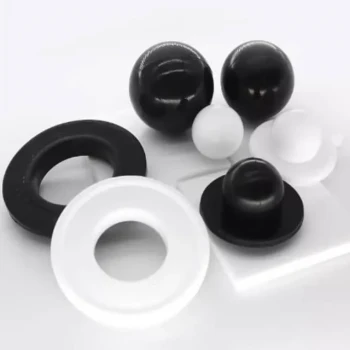
The carbon-fluorine bond in PTFE is one of the strongest in organic chemistry, creating a molecular fortress. This makes it almost completely inert. Our PTFE liners and seals don't just resist chemicals—they ignore them, ensuring the purity of your process and protecting your infrastructure from corrosion.
Conquering Thermal Stress
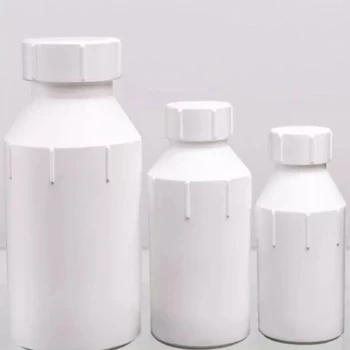
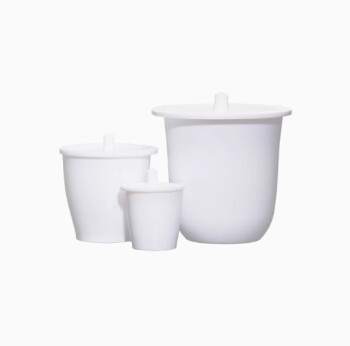
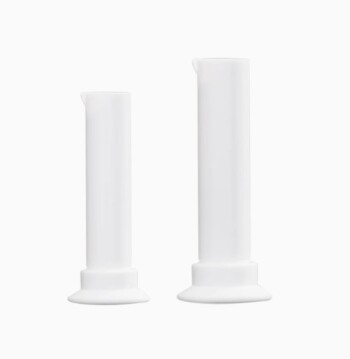
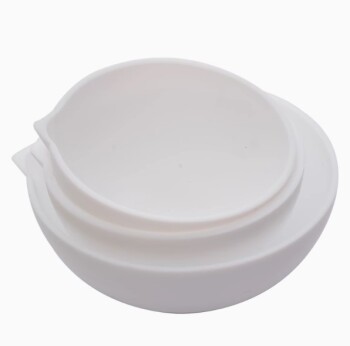
PTFE maintains its properties across an astonishingly wide temperature range, from cryogenic conditions to high-heat applications. KINTEK components, whether it's labware for a research process or a gasket in an industrial stack, won't turn brittle or deform, providing a stable, reliable seal no matter the temperature.
Eliminating Frictional Wear and Contamination
With a coefficient of friction comparable to wet ice on wet ice, PTFE is exceptionally slick. For applications in semiconductor or medical manufacturing, this means our custom components provide smooth, non-stick surfaces that reduce particle generation and prevent material buildup, dramatically cutting down on wear and contamination.
From Fighting Fires to Fueling Innovation
When your components are no longer the weakest link, a fundamental shift occurs. You move from a reactive state of damage control to a proactive state of innovation.
Instead of designing processes around the limitations of your materials, you can push the boundaries of what's possible. You can use more efficient (and often more aggressive) chemicals, run processes at higher temperatures for greater throughput, and design more complex machinery with confidence.
Solving this persistent component problem isn't just about reducing maintenance costs. It's about unlocking new potential:
- Accelerate R&D: Test more aggressive parameters without fear of equipment failure.
- Increase Production Yields: Guarantee batch purity and run longer, uninterrupted production cycles.
- Enhance Product Quality: Build more reliable and higher-performance end-products.
Solving persistent component failure is more than a technical fix; it's a strategic advantage. It means less downtime, higher yields, and the freedom to innovate without being held back by material limitations. If you're ready to break the cycle of trial-and-error and engineer reliability into your most critical applications, our team is here to help. We specialize in translating your unique operational challenges into precision-crafted PTFE solutions that perform. Contact Our Experts to discuss your project and build a more resilient process.
Visual Guide
Related Products
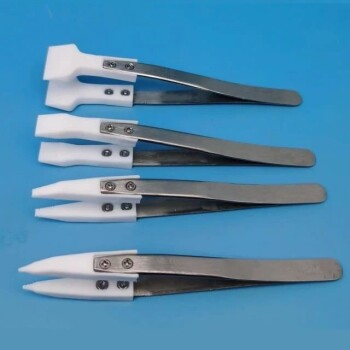
- Custom PTFE Parts Manufacturer for Teflon Parts and PTFE Tweezers
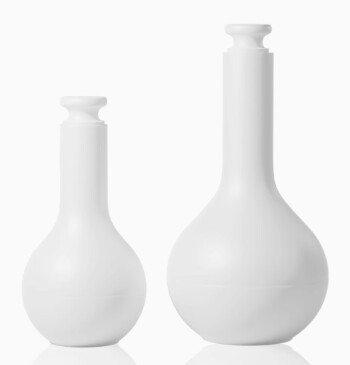
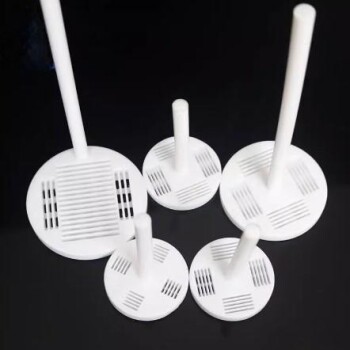
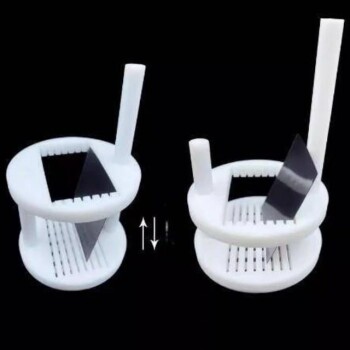
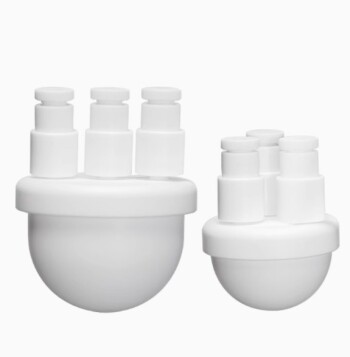
- Custom PTFE Parts Manufacturer for Teflon Containers and Components
- Custom PTFE Teflon Balls for Advanced Industrial Applications
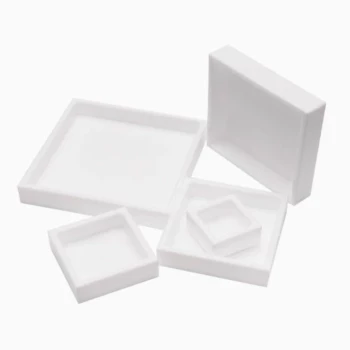
- Custom PTFE Square Trays for Industrial and Laboratory Use
- Custom PTFE Sleeves and Hollow Rods for Advanced Applications
Related Articles
- The Unseen Workhorse: Why PTFE Is the Default Choice for Impossible Problems
- How PTFE Solves Critical Industrial Challenges Through Material Superiority
- When "Chemically Inert" Isn't Enough: The Hidden Cause of PTFE Component Failure
- Beyond "Non-Stick": Why Your PTFE Components Fail and How to Fix It for Good
- The Physics of Trust: Why PTFE Is the Bedrock of High-Stakes Electronics